At least 11 people were injured, some critically, in what authorities are investigating as a suspected gas leak explosion on a boat in Miami on Saturday. Emergency services responded swiftly to the incident, providing immediate medical attention to the injured before transporting them to local hospitals. The blast occurred on a vessel docked in the Miami area, sending shockwaves through the community and raising immediate concerns about safety protocols for marine recreational activities.
Key Highlights:
- 11 individuals sustained injuries following a boat explosion in Miami.
- A gas leak is the suspected cause of the incident.
- Several victims are in critical condition.
- Emergency responders provided rapid on-site aid.
- Investigations into the exact cause and safety compliance are underway.
Miami Boat Explosion: A Developing Incident
The waterfront of Miami, a city renowned for its vibrant marine life and recreational boating, became the scene of a serious incident on Saturday when an explosion ripped through a boat, leaving at least 11 people injured. The blast, believed to be the result of a gas leak, sent at least one individual to a critical care facility, with others suffering varying degrees of injury. First responders were on the scene within minutes, a testament to the efficient emergency protocols in place for the region. Paramedics administered crucial immediate care before evacuating the wounded to nearby medical centers, where they are currently receiving further treatment. The investigation into the precise cause of the explosion is ongoing, with officials meticulously examining the vessel and the surrounding area for any contributing factors. This incident has cast a shadow over what is typically a bustling weekend for boating enthusiasts in South Florida, prompting a renewed focus on the inherent risks associated with gas-powered vessels and the critical importance of regular maintenance and safety checks.
Immediate Response and Casualties
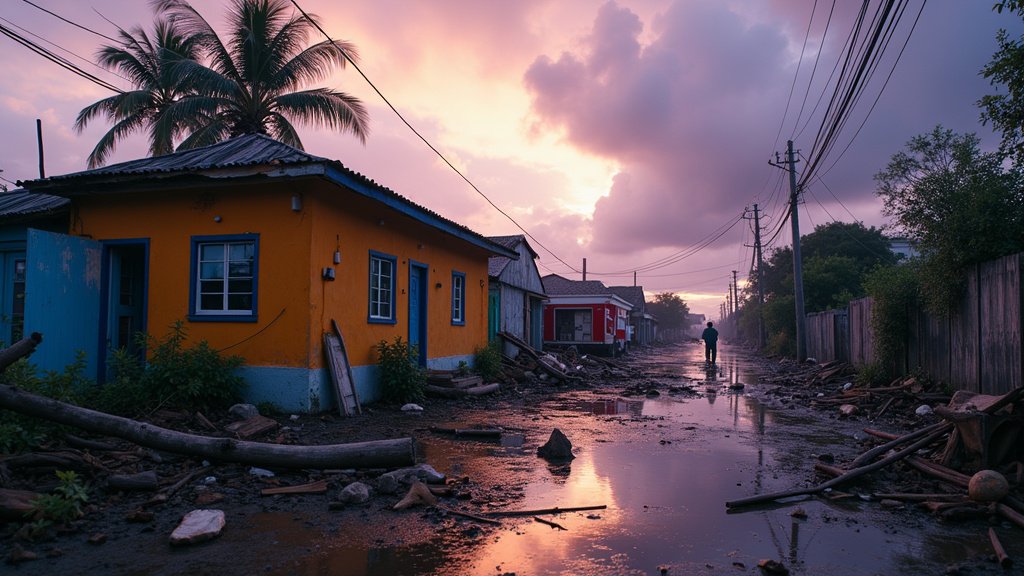

The immediate aftermath of the explosion saw a flurry of activity as sirens wailed and rescue boats converged on the affected vessel. Witnesses described a loud bang followed by smoke billowing from the boat. Local fire departments and Coast Guard units worked in tandem to secure the scene, extinguish any lingering fires, and provide aid to those injured. The eleven individuals who sustained injuries ranged from minor lacerations and burns to more severe, life-threatening conditions, necessitating urgent hospitalization. The swift and coordinated response from multiple agencies was crucial in mitigating further harm and ensuring the injured received prompt medical attention. This underscores the preparedness of Miami-Dade’s emergency services to handle maritime emergencies, though the severity of the injuries highlights the destructive power of such explosions.
Investigating the Cause: Gas Leak Suspected
Preliminary reports from law enforcement and fire marshals point towards a gas leak as the most probable cause of the catastrophic explosion. Boats, particularly those with enclosed spaces like cabins or heads, can accumulate fuel vapors. If an ignition source, such as a spark from electrical systems, an open flame, or even static electricity, is present, a rapid and powerful explosion can occur. Investigators will be looking closely at the boat’s fuel system, including tanks, lines, and ventilation, to identify any potential failure points. They will also be examining any on-board appliances that use gas, such as stoves or grills, and the procedures for refilling fuel tanks. The proximity of any potential ignition sources to the suspected leak will be a key area of focus. Understanding the exact sequence of events leading up to the blast is paramount for preventing future occurrences.
Impact on Miami’s Boating Community
Miami boasts one of the most active boating cultures in the United States, with thousands of vessels navigating its Biscayne Bay and coastal waters daily. This incident serves as a stark reminder of the safety responsibilities that come with owning and operating a boat. Marine safety organizations and the U.S. Coast Guard routinely conduct outreach and inspections to promote safe boating practices. Events like this can unfortunately lead to increased scrutiny and potentially stricter regulations, impacting the recreational enjoyment for many. Boat owners and operators are being urged to double-check their safety equipment, including fire extinguishers and carbon monoxide detectors, and to ensure their vessels are properly maintained, especially their fuel and exhaust systems. Thorough pre-departure checks are always advisable.
FAQ: People Also Ask
Q1: What is the current condition of the injured individuals?
A1: As of the latest reports, several of the 11 injured individuals are in critical condition, while others have sustained less severe injuries. They are all receiving treatment at local Miami hospitals.
Q2: What is being done to prevent similar incidents in the future?
A2: Investigations are underway to determine the exact cause. Authorities and marine safety organizations are expected to review safety protocols and may issue advisories to boat owners regarding fuel system maintenance and ventilation. Public awareness campaigns on safe boating practices are also likely to be reinforced.
Q3: Was the boat itself inspected recently?
A3: Information regarding the specific inspection history of the vessel involved has not yet been released by investigators. However, the investigation will likely include a thorough examination of the boat’s maintenance records and safety compliance.
Q4: How common are boat explosions due to gas leaks?
A4: While not extremely common, explosions on boats caused by fuel leaks, particularly gasoline or propane, do occur. These are often attributed to faulty fuel systems, improper ventilation, or ignition of accumulated vapors. The U.S. Coast Guard reports on recreational boating statistics often highlight fuel system issues as a significant hazard.
Q5: What is the recommended safety procedure when refueling a boat?
A5: When refueling a boat, it is crucial to turn off the engine, all electrical equipment, and extinguish any open flames. Ensure good ventilation, keep children away from the refueling area, and never smoke. After fueling, wipe up any spills and allow the area to ventilate before starting the engine. Always check for fuel vapors before operating.