
Former President Donald Trump’s dual-track approach to Iran—balancing the specter of a high-stakes military strike against the lure of a “big, beautiful” diplomatic breakthrough—remains a quintessential example of his “maximum pressure” foreign policy doctrine. By fluctuating between aggressive posturing and the promise of high-level negotiations, the administration sought to force Tehran into a new framework that would address not only nuclear ambitions but also ballistic missile proliferation and regional proxy activities. This strategy was never more apparent than during the heightened tensions of June 2019, where the immediate threat of military escalation was balanced on the precipice of a sudden, albeit undefined, diplomatic pivot.
Key Highlights
- Dual-Track Strategy: Navigating the narrow corridor between kinetic military action and grand diplomatic negotiation as a core instrument of statecraft.
- Historical Pivot Points: Recalling the June 2019 tensions following the downing of a U.S. RQ-4 Global Hawk surveillance drone over the Strait of Hormuz.
- Maximum Pressure Doctrine: Understanding how severe economic sanctions, enforced via the Office of Foreign Assets Control (OFAC), were intended to starve the Iranian treasury and force Tehran back to the table.
- The JCPOA Disconnect: Why the withdrawal from the 2015 Iran Nuclear Deal (JCPOA) served as the central catalyst for the subsequent cycle of escalation and potential reconciliation.
The Geometry of Maximum Pressure
The fundamental premise of the Trump administration’s approach to the Islamic Republic of Iran was the “Maximum Pressure” campaign. This policy was predicated on the belief that economic strangulation, specifically the reimposition and expansion of sanctions after withdrawing from the Joint Comprehensive Plan of Action (JCPOA) in May 2018, would make the cost of Iranian regional aggression and nuclear development unsustainable. The ultimate goal was purportedly a “big, beautiful” deal—a term used by the former president to describe a comprehensive agreement that would far exceed the scope of the 2015 accord.
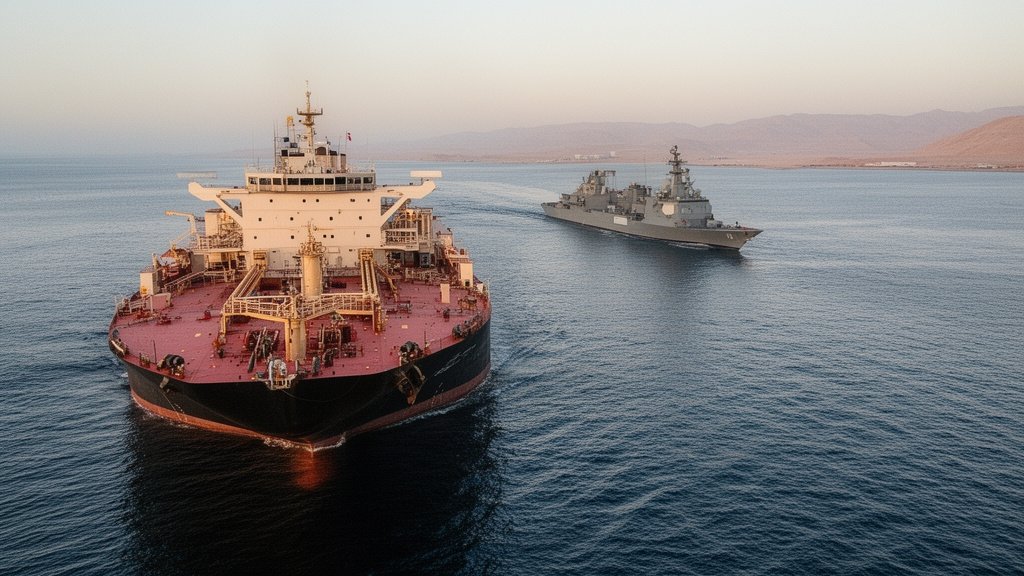
However, the strategy faced intense scrutiny from geopolitical analysts and international partners. The European Union, Russia, and China—all signatories to the original JCPOA—argued that the unilateral withdrawal and the subsequent “maximum pressure” campaign destabilized the region rather than coercing Tehran into a compliant posture. By cutting off Iran’s oil revenue and isolating its financial sector, the U.S. forced the Iranian leadership into a defensive crouch, leading to an increase in regional harassment, the targeting of commercial tankers, and, eventually, the direct confrontation involving U.S. military assets.
The Drone Incident: A Flashpoint
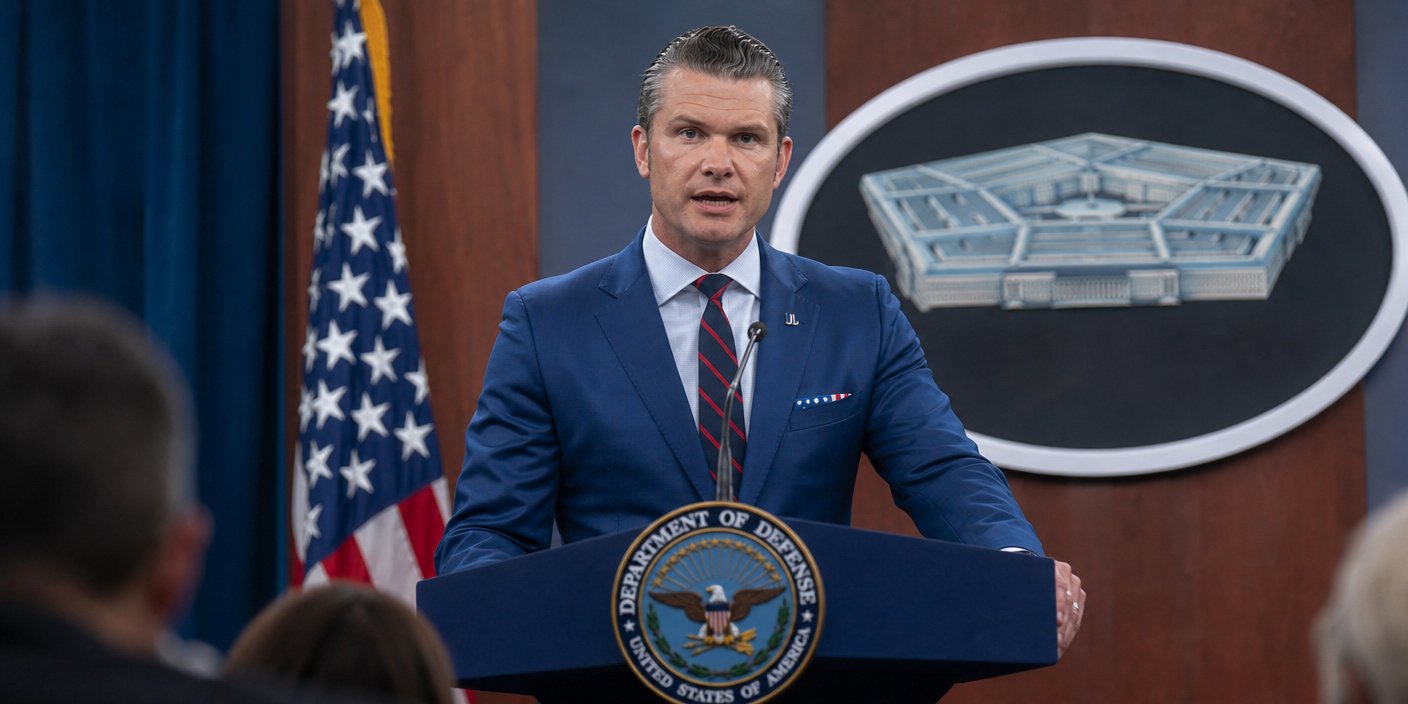
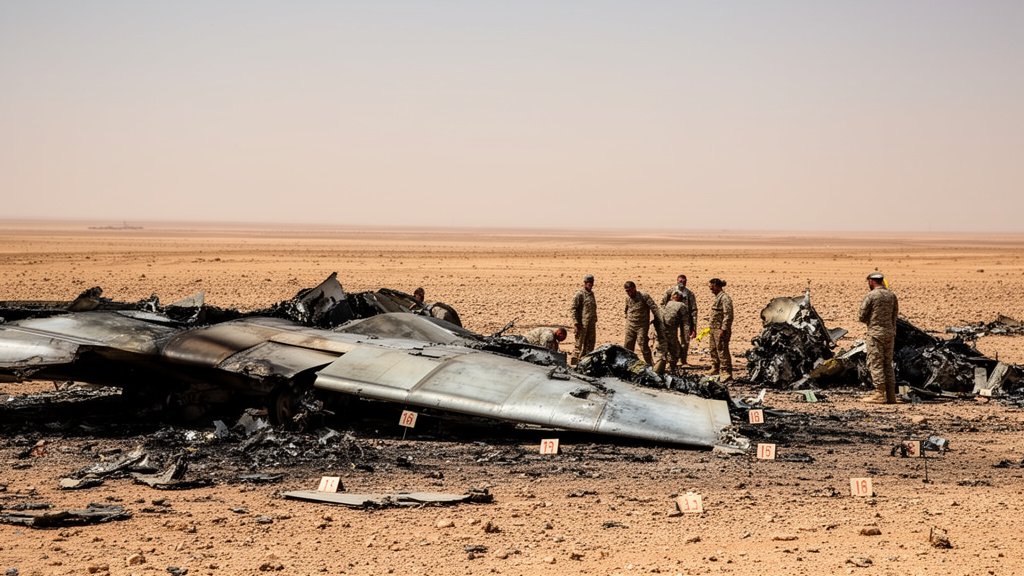
The most tangible manifestation of this high-wire act occurred in June 2019, when Iranian forces downed a U.S. RQ-4 Global Hawk surveillance drone. This incident served as a critical stress test for the administration’s policy. The military establishment advocated for a kinetic response to maintain the credibility of U.S. deterrence in the Persian Gulf. Reports emerged that a strike was authorized, with targets identified, only to be aborted in the final minutes. This moment encapsulates the volatile nature of the diplomatic-military equation: one moment threatening a military strike that could ignite a regional conflict, the next holding open the door for a diplomatic summit.


This behavior was interpreted by some as a calculated display of unpredictability—a core component of the “Art of the Deal” philosophy applied to international relations. By keeping adversaries off balance, the administration aimed to create a vacuum of certainty, forcing rivals to wonder if the next step would be a Tomahawk missile launch or a televised handshake. Yet, for critics, this ambiguity created a dangerous lack of clarity, increasing the risk of miscalculation where neither side possessed a reliable telegraph of the other’s red lines.
The Architecture of the Proposed Deal
What constituted a “big, beautiful” deal in the eyes of the administration? Throughout his tenure, the former president emphasized three pillars for any potential new agreement: the absolute cessation of uranium enrichment, a verifiable ban on ballistic missile testing, and a containment policy regarding Iranian proxies across the Middle East, including groups in Lebanon, Syria, and Yemen.
This wish list was diametrically opposed to the Iranian government’s position, which viewed their missile program as a vital defensive asset and their regional influence as a matter of sovereignty. The rhetorical simplicity of a “big, beautiful” deal often masked the profound complexity of the technical negotiations required to address these issues. While the administration touted the success of the sanctions in bringing Iran to a point of economic desperation, the regime in Tehran repeatedly demonstrated a capacity for asymmetric warfare and domestic suppression, suggesting that the “maximum pressure” threshold for regime behavior change was much higher than Washington had anticipated.
Geopolitical Repercussions and Regional Alliances
The U.S.-Iran dynamic did not exist in a vacuum; it functioned as the primary axis of Middle Eastern security architecture. Regional allies, particularly Israel and Saudi Arabia, largely welcomed the abandonment of the JCPOA and the aggressive pressure campaign. For these nations, the 2015 agreement had failed to address the regional security architecture, essentially allowing Iran to rebuild its conventional military capabilities while deferring its nuclear aspirations. The Trump administration’s willingness to risk open conflict was seen by these allies as a necessary correction to the perceived passivity of the previous diplomatic approach.
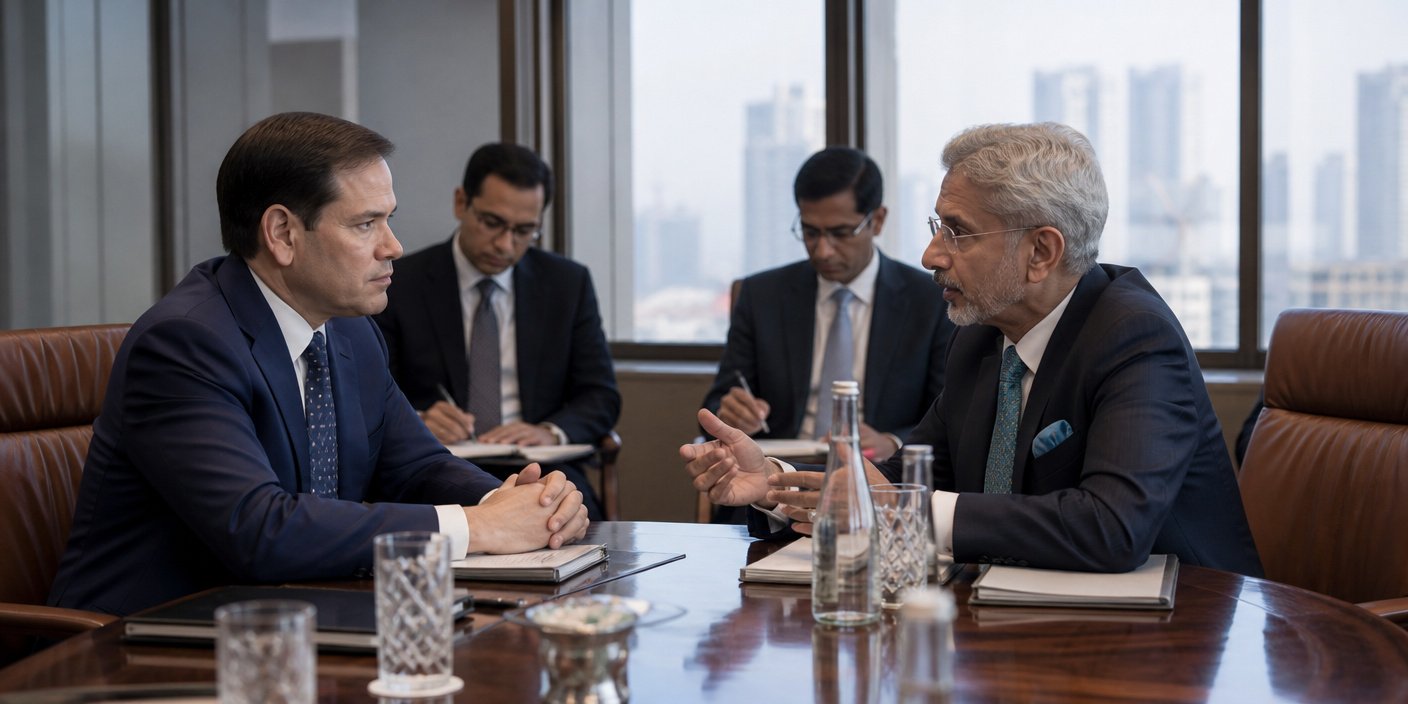
Conversely, the unpredictability of the U.S. stance created anxiety in capitals that relied on U.S. stability. The constant oscillation between war rhetoric and deal-making forced partners to hedge their bets, leading to a complex web of back-channel diplomacy where regional powers began seeking their own de-escalation pathways with Tehran, fearing that a U.S.-initiated conflict would result in their own infrastructure becoming collateral damage.
FAQ: People Also Ask
Q: What was the primary difference between the JCPOA and the Trump-proposed deal?
A: The JCPOA (2015) was a narrow agreement focused primarily on restricting Iran’s nuclear program in exchange for sanctions relief. The proposed “big, beautiful” deal sought to be broader, incorporating restrictions on Iran’s ballistic missile program, regional military activities, and human rights conduct, while enforcing a much stricter, indefinite sunset clause on nuclear activities.
Q: Why was the 2019 drone incident significant to U.S.-Iran relations?
A: The downing of the RQ-4 Global Hawk was a direct military challenge to U.S. presence in the Persian Gulf. It forced the White House to choose between an immediate, kinetic military retaliation or a non-military, diplomatic escalation. The decision to call off the strike highlighted the tension between the administration’s stated goals of deterrence and its desire to avoid entering another open-ended Middle Eastern war.
Q: How did the ‘Maximum Pressure’ campaign affect the Iranian economy?
A: The campaign significantly reduced Iran’s crude oil exports, depreciated the Iranian rial, and isolated the country from the global banking system (SWIFT). While this caused massive inflation and hardship for the Iranian populace, the government utilized state-controlled resources and black-market oil sales to survive, demonstrating that the policy of economic strangulation did not yield the immediate political collapse or capitulation that some architects of the policy had predicted.