Amidst escalating diplomatic efforts, sources indicate that the United States and Iran could be on the verge of signing a significant peace deal as early as this weekend. This potential breakthrough follows weeks of intensive, often behind-the-scenes, negotiations aimed at de-escalating regional tensions and establishing a new framework for bilateral relations.
Key Highlights:
- Potential peace accord between the US and Iran could be finalized this weekend.
- Negotiations have intensified in recent weeks, involving high-level diplomatic channels.
- The deal aims to de-escalate regional tensions and redefine bilateral relations.
- Specific details of the agreement remain confidential, but signals point to a comprehensive accord.
- International observers are cautiously optimistic about the implications for global stability.
Shifting Sands: The Road to a Potential US-Iran Accord
The international community is closely monitoring a rapidly developing situation that could see a historic peace deal struck between the United States and Iran by the end of this week. This potential agreement, if finalized, would represent a significant recalibration of Middle East geopolitics, potentially ushering in an era of reduced conflict and increased diplomatic engagement. The negotiations, which have reportedly been ongoing for several weeks, have accelerated significantly in recent days, with both sides demonstrating a willingness to compromise on long-standing issues. While the specifics of the proposed deal are being kept under strict wraps, sources close to the discussions suggest it encompasses a broad range of security, economic, and diplomatic measures.
The Diplomatic Offensive
High-level envoys from both nations have been engaged in a flurry of activity, shuttling between undisclosed locations to bridge the remaining gaps. The intensity of these talks underscores the mutual desire to achieve a breakthrough. This diplomatic offensive is seen by analysts as a response to the increasingly volatile regional landscape, where escalating proxy conflicts and the persistent threat of wider confrontation have made a de-escalation imperative. The United States, under the current administration, has signaled a preference for diplomatic solutions over military ones, and Iran, facing considerable economic pressure, may also see strategic advantages in a normalization of relations.
Key Pillars of the Proposed Agreement
While precise details are scarce, the potential agreement is believed to rest on several key pillars. These are anticipated to include mutual security assurances, a phased approach to sanctions relief for Iran, and the establishment of direct communication channels to manage future crises. The economic component is particularly crucial, as the lifting of sanctions could provide a significant boost to Iran’s economy, which has been under severe strain. In return, Iran is expected to offer concrete guarantees regarding its regional activities and nuclear program, though the exact nature and verification mechanisms for these guarantees are likely points of intense negotiation. The US, for its part, would seek a commitment to de-escalate proxy conflicts and a more stable geopolitical environment in the Persian Gulf.
International Repercussions and Regional Stability

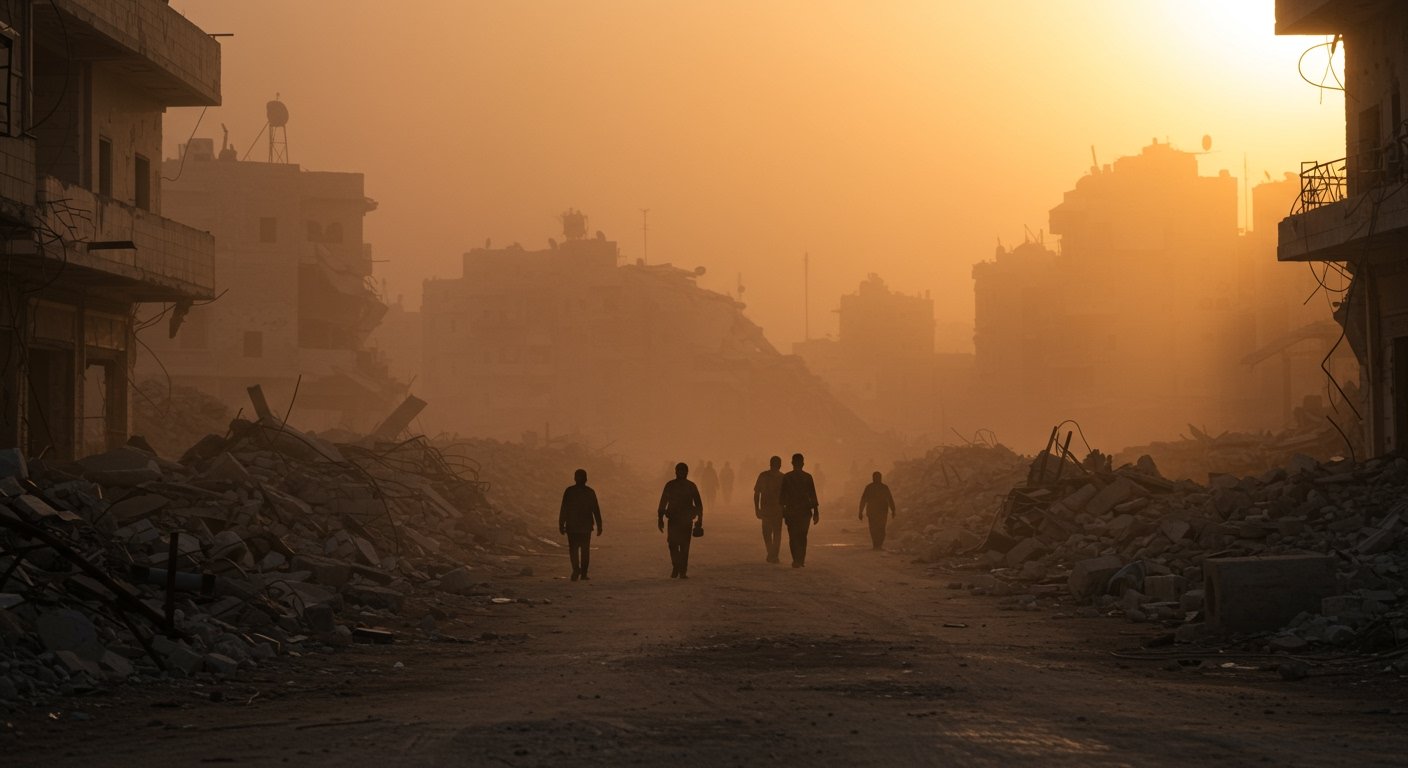

The implications of such a deal extend far beyond the bilateral relationship. A US-Iran accord could dramatically reshape regional alliances and power dynamics. Countries that have been deeply involved in the rivalry between the two nations, such as Saudi Arabia and Israel, will be watching closely. Their reactions could range from cautious acceptance to outright concern, depending on how they perceive the impact on their own security interests. A successful peace deal could also open avenues for broader regional dialogue, potentially involving other key players in the Middle East, to address shared challenges like climate change and economic development. However, the path forward is fraught with challenges, and the success of the deal will depend on sustained commitment from both sides and careful management of regional expectations.
Historical Context and Precedents
This potential accord does not emerge from a vacuum. The relationship between the US and Iran has been fraught with tension since the 1979 Islamic Revolution. Decades of mistrust, proxy conflicts, and diplomatic standoffs have characterized their interactions. Previous attempts at rapprochement, such as the Joint Comprehensive Plan of Action (JCPOA) on Iran’s nuclear program, have faced significant hurdles and eventual collapse. Understanding these historical precedents is crucial to assessing the durability of any new agreement. The current negotiations, however, appear to be built on a more comprehensive and perhaps pragmatic understanding of mutual interests, moving beyond a singular focus on the nuclear issue to address a wider spectrum of concerns.
Economic Winds of Change
The economic dimension of a potential US-Iran peace deal cannot be overstated. Iran’s economy has been severely impacted by years of international sanctions, hindering its ability to engage in global trade and attract foreign investment. A comprehensive sanctions relief package, a likely component of the peace accord, could unlock billions of dollars in frozen assets and open the door for renewed economic activity. This would not only benefit Iran but could also create new opportunities for international businesses looking to tap into a previously restricted market. For the United States, a more stable Iran could lead to reduced energy price volatility in the global market and the potential for new trade relationships, albeit under careful scrutiny.
The Future Outlook: Cautious Optimism
While the prospect of a US-Iran peace deal is a significant development, experts caution against unbridled optimism. The complex nature of the issues involved, coupled with deep-seated historical animosities, means that the implementation and long-term success of any agreement will require sustained diplomatic effort and a genuine commitment to peaceful coexistence. The coming days are critical as negotiators work to finalize the terms. The world watches with bated breath, hopeful for a turning point that could bring greater stability to a volatile region.
FAQ: People Also Ask
What is the current state of relations between the US and Iran?
Relations between the US and Iran have been largely hostile and fraught with tension since the 1979 Islamic Revolution. They lack formal diplomatic ties, and their interactions have historically been characterized by proxy conflicts, sanctions, and mutual accusations. However, recent diplomatic efforts indicate a potential shift towards de-escalation and negotiation.
What were the key issues that led to the current tensions?
Key issues include Iran’s nuclear program, its support for regional militant groups, and past US interventions and sanctions. Conversely, Iran views US support for certain regional powers and its own sovereignty as points of contention. These complex geopolitical factors have fueled decades of strained relations.
What are the potential implications of a peace deal for the Middle East?
A US-Iran peace deal could significantly alter the regional power balance. It might lead to a reduction in proxy conflicts, enhanced stability in the Persian Gulf, and potentially open avenues for broader regional security dialogues. However, it could also create uncertainty among traditional US allies in the region.
What role do international sanctions play in the US-Iran relationship?
International sanctions, primarily imposed by the US, have been a major tool of pressure on Iran, targeting its oil exports, financial institutions, and access to international markets. The potential lifting or easing of these sanctions is a critical component of any negotiation aimed at improving relations and de-escalating tensions.
How likely is it that this potential peace deal will be finalized and upheld?
The likelihood of finalization and upholding a peace deal depends on numerous factors, including the willingness of both sides to compromise on core issues, domestic political considerations in both countries, and the verification of any commitments made. Historical precedent suggests that such agreements are challenging to reach and maintain, but the current intensity of diplomatic engagement offers a glimmer of hope.