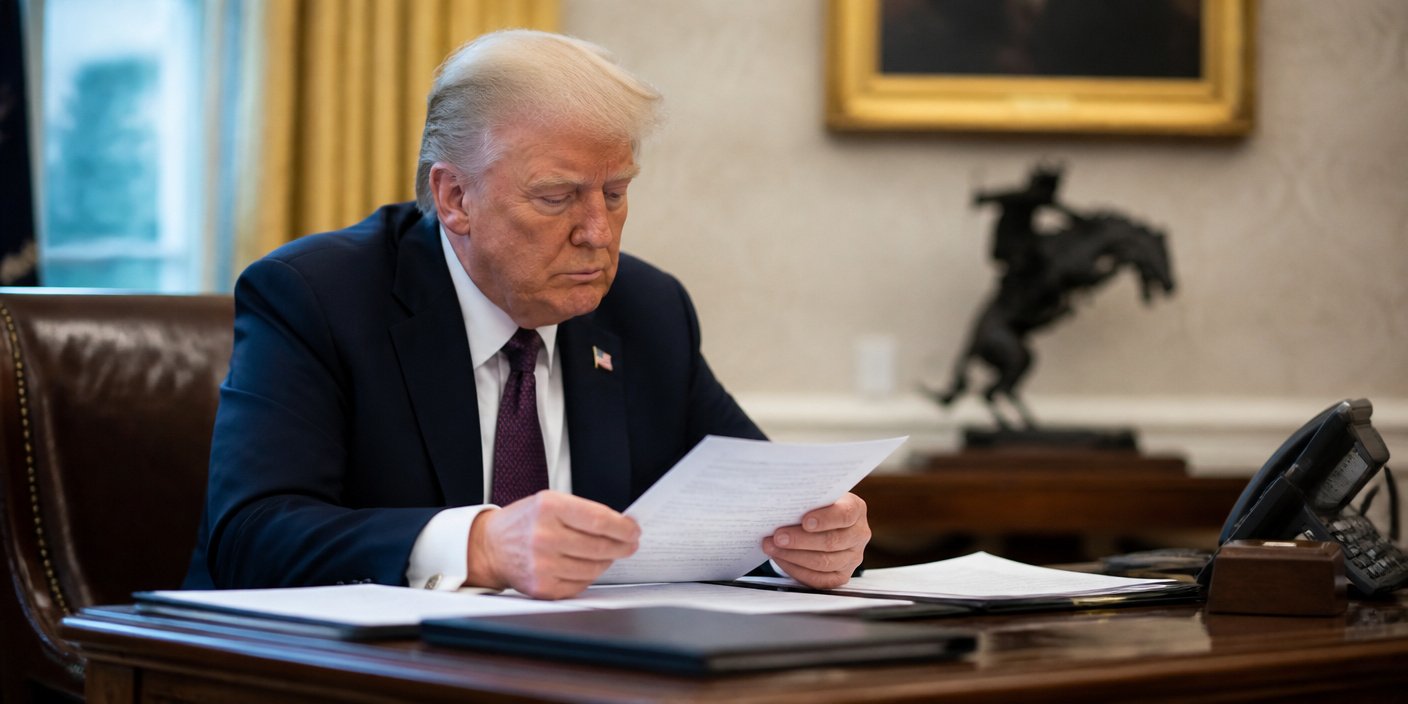
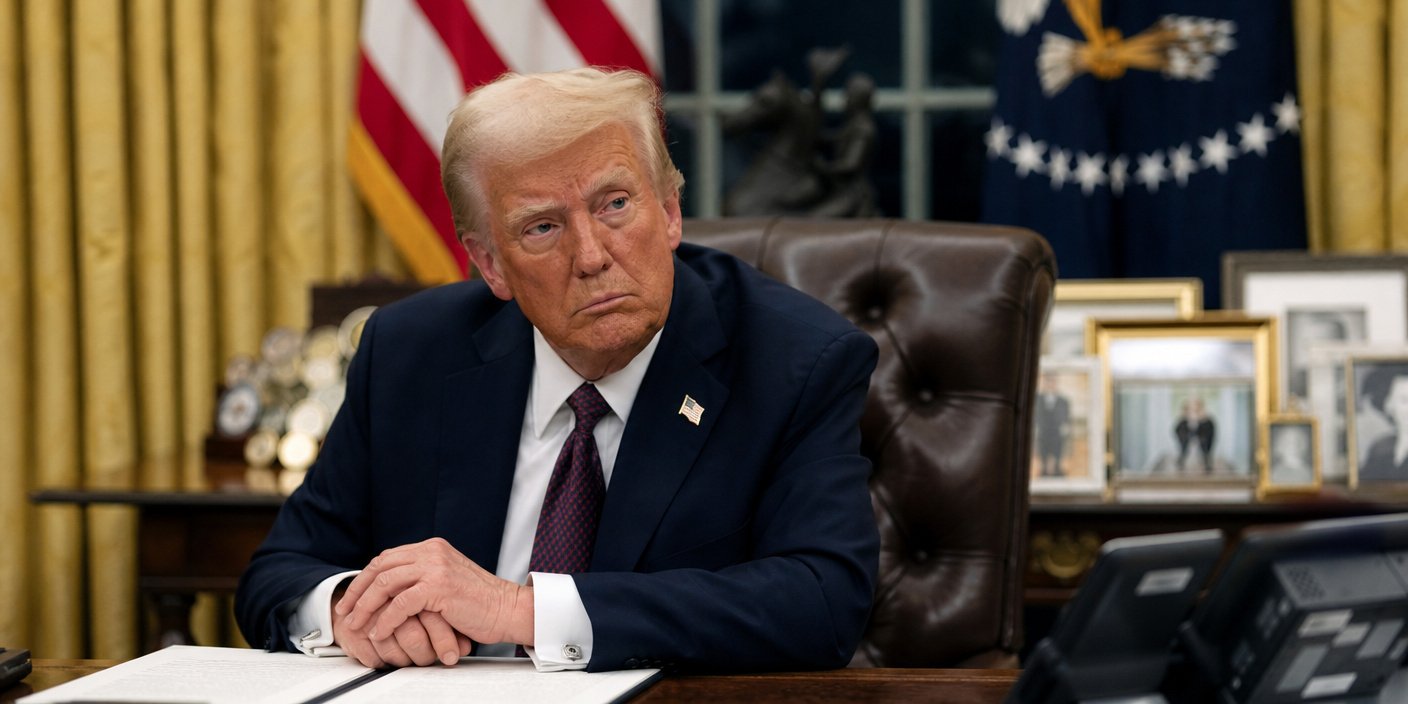
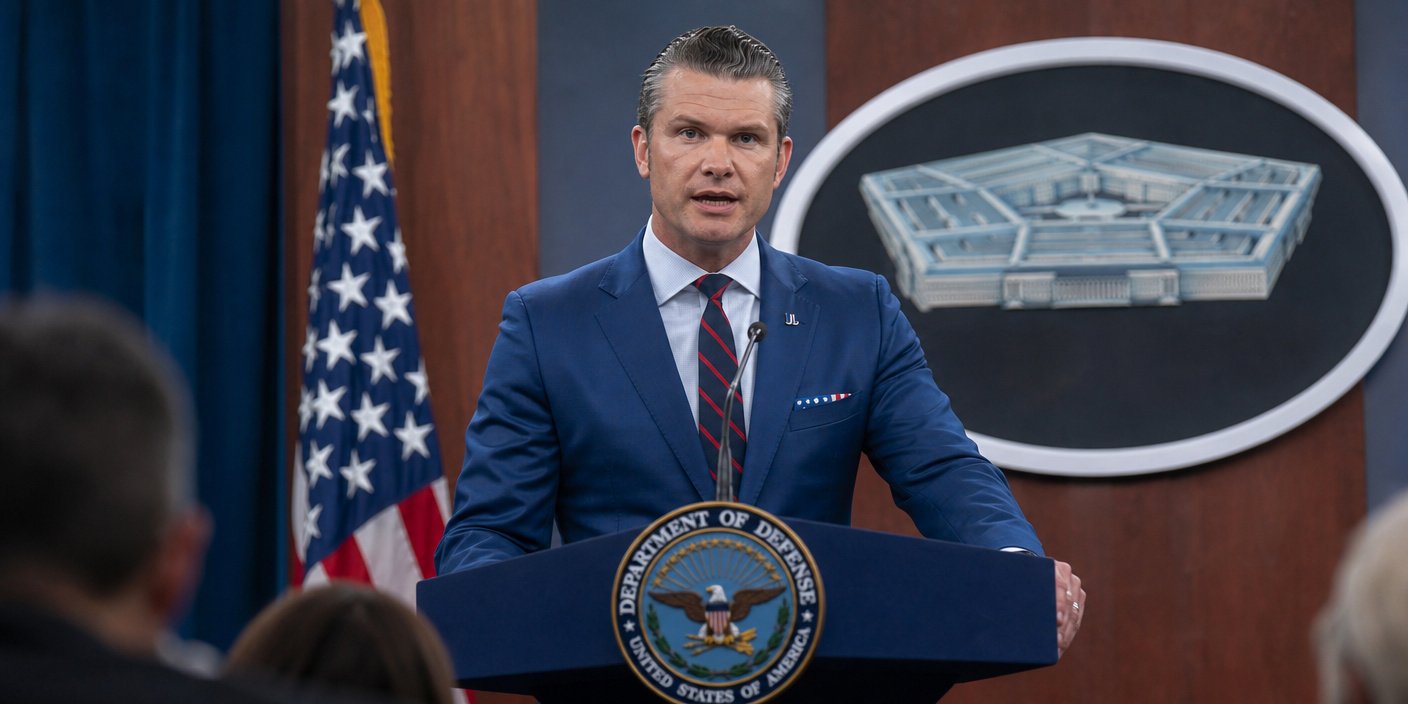
As former President Donald Trump reiterates his belief that an Iran war could be averted or swiftly concluded, a complex reality emerges where many of his stated objectives regarding the Islamic Republic remain unfulfilled. Trump’s previous administration pursued a policy of “maximum pressure,” aiming to curb Iran’s nuclear program, end its ballistic missile development, and curtail its regional influence. While tensions did escalate, a full-scale conflict was avoided during his term, a point he often emphasizes. However, the long-term strategic aims of his policy are subject to ongoing debate and appear incomplete from various perspectives.
Key Highlights:
- Trump frequently claims he could end or prevent an Iran war quickly.
- His “maximum pressure” policy aimed to halt Iran’s nuclear and missile programs and reduce regional influence.
- Critics argue that key strategic objectives remain unfulfilled.
- The effectiveness and long-term impact of his Iran policy are still being assessed.
The Unfinished Business of Trump’s Iran Strategy
During his presidency, Donald Trump’s approach to Iran was characterized by a dramatic withdrawal from the Joint Comprehensive Plan of Action (JCPOA), often referred to as the Iran nuclear deal, and the imposition of stringent sanctions. The stated goals were multifaceted: to prevent Iran from acquiring a nuclear weapon, to force a renegotiation of a “better deal,” to halt its ballistic missile program, and to cease its support for proxy groups destabilizing the Middle East. Trump often boasted about his administration’s toughness and suggested that his approach was bringing Iran to its knees.
Nuclear Ambitions and Sanctions Strain


The Trump administration’s “maximum pressure” campaign indeed strained Iran’s economy significantly. However, it also appears to have spurred Iran to increase its uranium enrichment activities, moving it closer to potential weaponization capabilities, contrary to the administration’s primary objective. The JCPOA’s collapse removed international constraints on Iran’s nuclear program, and subsequent diplomatic efforts to revive it or forge a new agreement have proven exceedingly difficult, leaving a lingering concern over Iran’s nuclear future. This outcome runs counter to the core objective of preventing a nuclear-armed Iran.
Regional Influence and Proxy Networks
Another key objective was to curb Iran’s regional influence, particularly its support for groups like Hezbollah, Hamas, and the Houthis. While sanctions undoubtedly imposed financial burdens on these networks, they did not eliminate Iran’s capacity or willingness to project power through these proxies. In fact, some analysts suggest that the economic pressure may have even incentivized Iran to rely more heavily on these asymmetric tools of influence. The objective of significantly reducing Iran’s regional footprint appears, therefore, to be largely unmet.
The Unfulfilled Promise of a “Better Deal”
Trump’s desire to renegotiate a “better deal” than the JCPOA never materialized into a concrete agreement. While he claimed the original deal was flawed and one-sided, the diplomatic vacuum created by the US withdrawal led to increased Iranian nuclear activities and heightened regional tensions. The expectation that Iran would be forced back to the negotiating table under duress to accept a more stringent agreement did not play out as envisioned.
FAQ: People Also Ask
What were Trump’s main goals regarding Iran?
Trump’s administration aimed to prevent Iran from obtaining nuclear weapons, halt its ballistic missile program, end its support for regional proxies, and renegotiate a more comprehensive nuclear deal.
Did Trump’s “maximum pressure” policy work?
Economically, the policy inflicted severe damage on Iran’s economy. However, its strategic objectives, such as curbing the nuclear program and regional influence, are widely seen as unfulfilled or even counterproductive by many analysts.
Is an Iran war likely under Trump?
Trump has often suggested he could end or prevent an Iran war quickly, implying a diplomatic or decisive resolution. However, the situation remains volatile, and the likelihood of conflict is subject to many unpredictable factors.
What is the status of the Iran nuclear deal?
The original JCPOA was abandoned by the Trump administration. Efforts by subsequent administrations to revive it have faced significant obstacles, and Iran has advanced its nuclear program beyond the deal’s original limitations.
How has Iran’s regional influence changed?
While facing economic hardship, Iran has maintained and, in some areas, arguably expanded its regional influence through its network of proxy groups, defying a key objective of the “maximum pressure” policy.