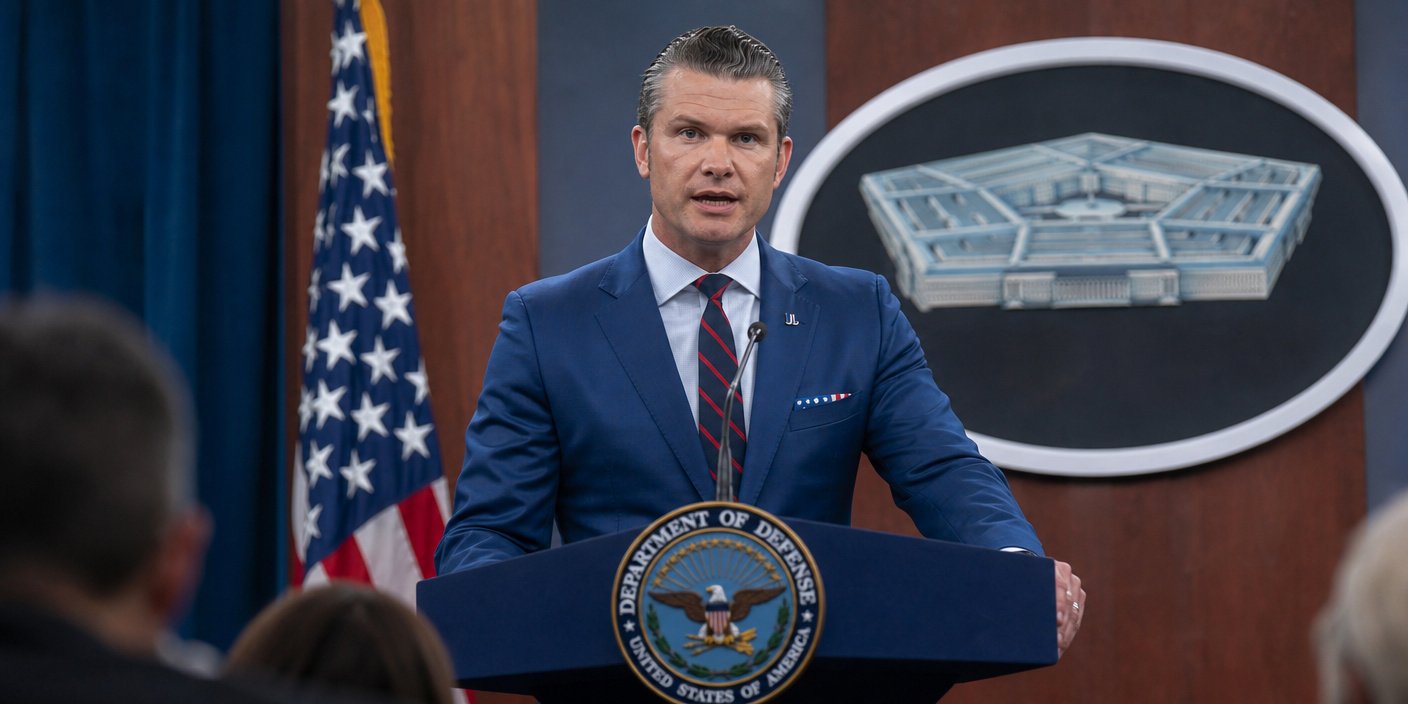
Dr. Jesse Ehrenfeld, President of the American Medical Association, outlined critical health policy priorities, emphasizing the need for immediate action on physician burnout, healthcare affordability, and access to care. His recent remarks highlight the AMA’s strategic focus on addressing systemic issues that impact both medical professionals and patient outcomes.
Key Highlights:
- Urgent measures to combat physician burnout through improved work environments and support systems.
- A strong call for policies that lower healthcare costs for patients and reduce administrative burdens.
- Initiatives to expand access to care, particularly in underserved communities and for mental health services.
- Emphasis on the importance of physician well-being as a cornerstone of quality patient care.
- Advocacy for modernizing medical education and training to meet evolving healthcare needs.
Addressing Healthcare’s Core Challenges
Physician Burnout: A Growing Crisis
The American Medical Association, under the leadership of Dr. Jesse Ehrenfeld, is sounding the alarm on the escalating crisis of physician burnout. This pervasive issue, exacerbated by the demands of the healthcare system, is leading to increased stress, reduced job satisfaction, and potential negative impacts on patient care. Dr. Ehrenfeld has called for systemic changes, including advocating for better staffing ratios, reduced administrative tasks through technological advancements, and greater flexibility in work schedules. The AMA’s stance is that addressing burnout is not just about physician welfare but is fundamental to ensuring a sustainable and high-quality healthcare workforce for the future. This involves fostering a culture of support within healthcare institutions and implementing policies that recognize the immense pressures faced by medical professionals.
Healthcare Affordability and Access



A central tenet of the AMA’s current agenda is to make healthcare more affordable and accessible for all Americans. Dr. Ehrenfeld has been a vocal proponent of legislative and regulatory reforms aimed at curbing the rising costs of medical services, prescription drugs, and insurance premiums. The organization is pushing for greater transparency in pricing, negotiating power for patients and providers, and innovative payment models that prioritize value over volume. Furthermore, the AMA is championing efforts to extend the reach of healthcare services, focusing on expanding access in rural and underserved urban areas. This includes advocating for telehealth expansion, supporting community health centers, and addressing disparities in care related to socioeconomic status, race, and geography.
Mental Health Parity and Integration
The AMA is also placing significant emphasis on the critical need for improved mental healthcare. Dr. Ehrenfeld has stressed the importance of achieving true parity between mental and physical healthcare coverage. This means ensuring that insurance plans cover mental health services as comprehensively as they cover physical health services, without imposing discriminatory limitations or higher out-of-pocket costs. The association advocates for the integration of mental health services into primary care settings, making it easier for individuals to receive timely and appropriate care. By breaking down stigma and improving access, the AMA aims to address the growing mental health needs across the population, recognizing its profound impact on overall well-being and public health.
Modernizing Medical Education
Looking ahead, the AMA is committed to modernizing medical education and training programs. Dr. Ehrenfeld has highlighted the need to adapt curricula to reflect the rapidly changing landscape of medicine, incorporating new technologies, evidence-based practices, and a stronger focus on public health and population medicine. The goal is to equip future physicians with the skills and knowledge necessary to navigate complex healthcare systems, address emerging health challenges, and provide patient-centered care in diverse settings. This includes promoting interprofessional collaboration and lifelong learning as essential components of medical practice.
FAQ: People Also Ask
What are the main concerns of the American Medical Association?
The AMA’s main concerns currently revolve around combating physician burnout, improving healthcare affordability and access, advocating for mental health parity, and modernizing medical education to prepare future physicians for evolving healthcare demands.
Who is the current President of the AMA?
The current President of the American Medical Association is Dr. Jesse Ehrenfeld.
What is physician burnout?
Physician burnout is a state of emotional, physical, and mental exhaustion caused by excessive and prolonged stress in a healthcare setting. It can lead to feelings of cynicism, detachment, and a lack of accomplishment.
How is the AMA working to improve healthcare access?
The AMA is advocating for policies that expand telehealth services, support community health centers, address disparities in care, and promote greater healthcare coverage, particularly in underserved communities.
Why is mental health parity important in healthcare?
Mental health parity is crucial because it ensures that insurance coverage for mental health and substance use disorders is comparable to coverage for physical health conditions, promoting equitable access to necessary care.