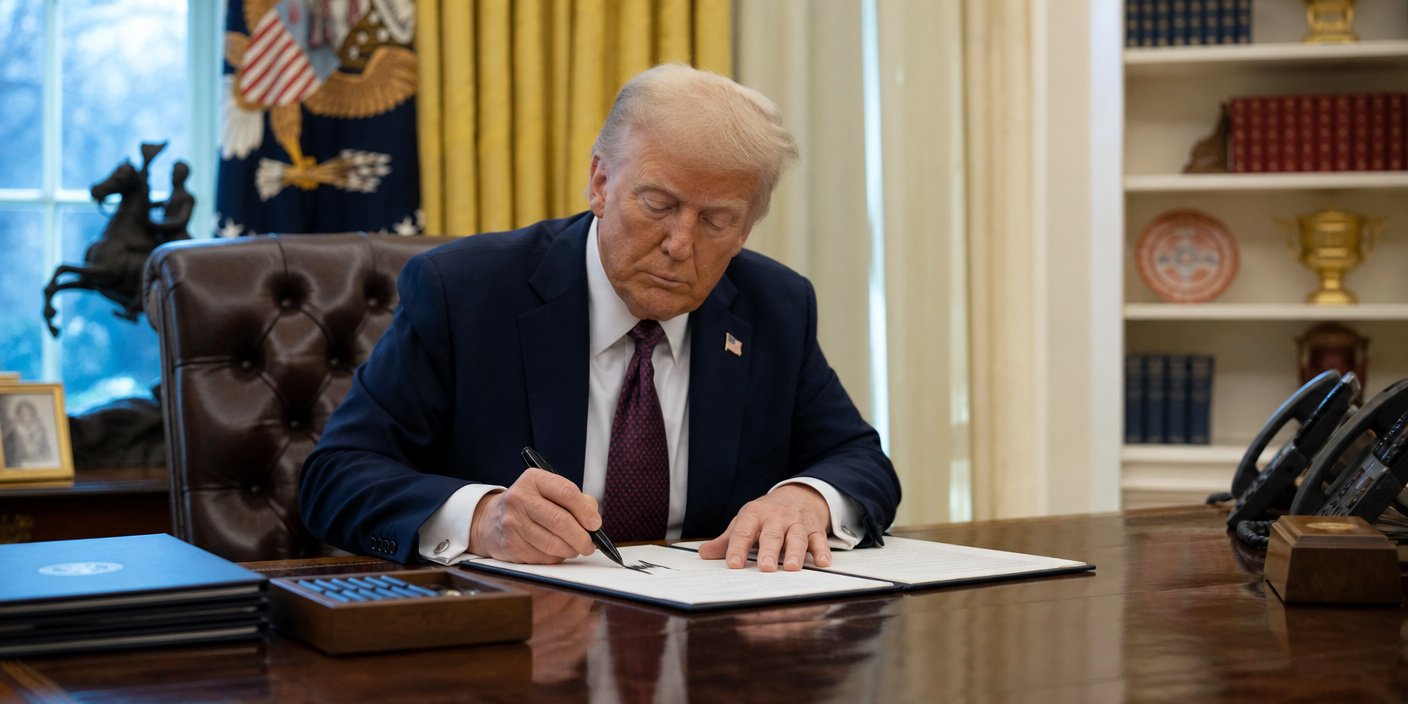
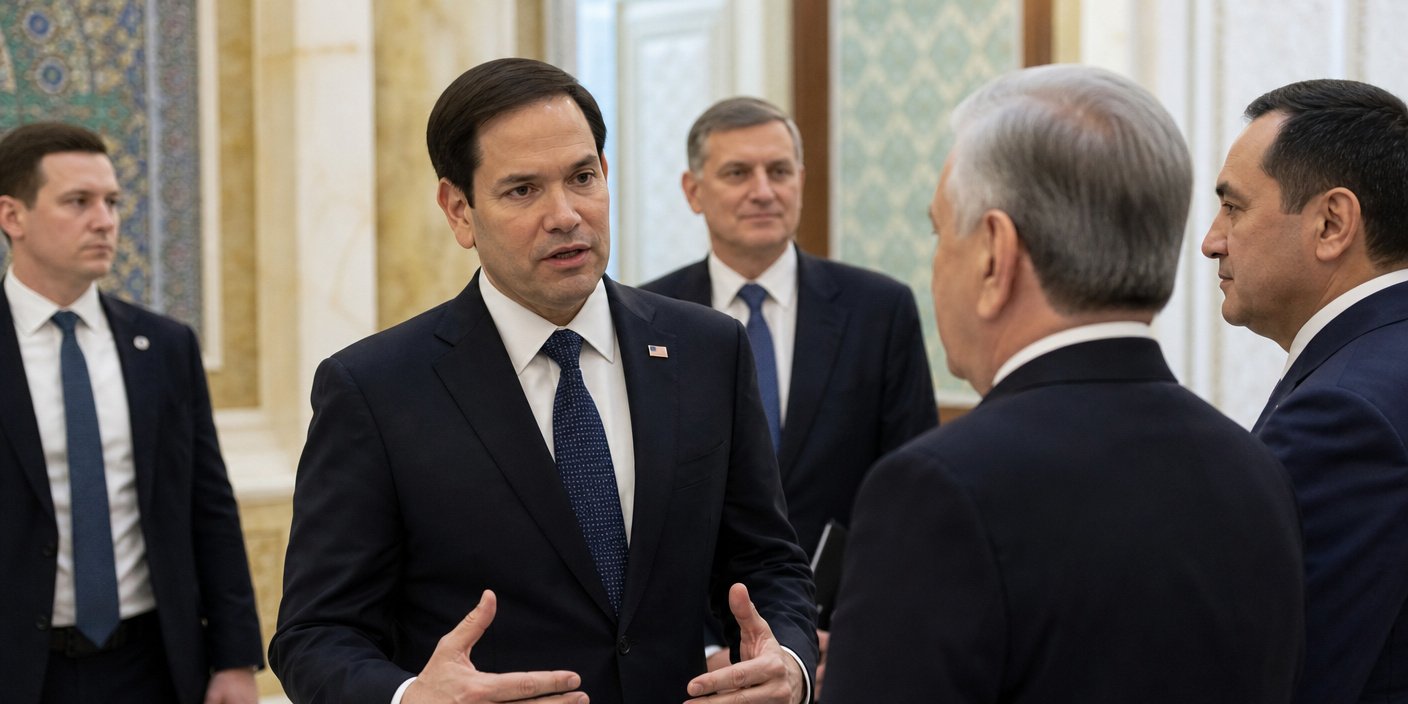
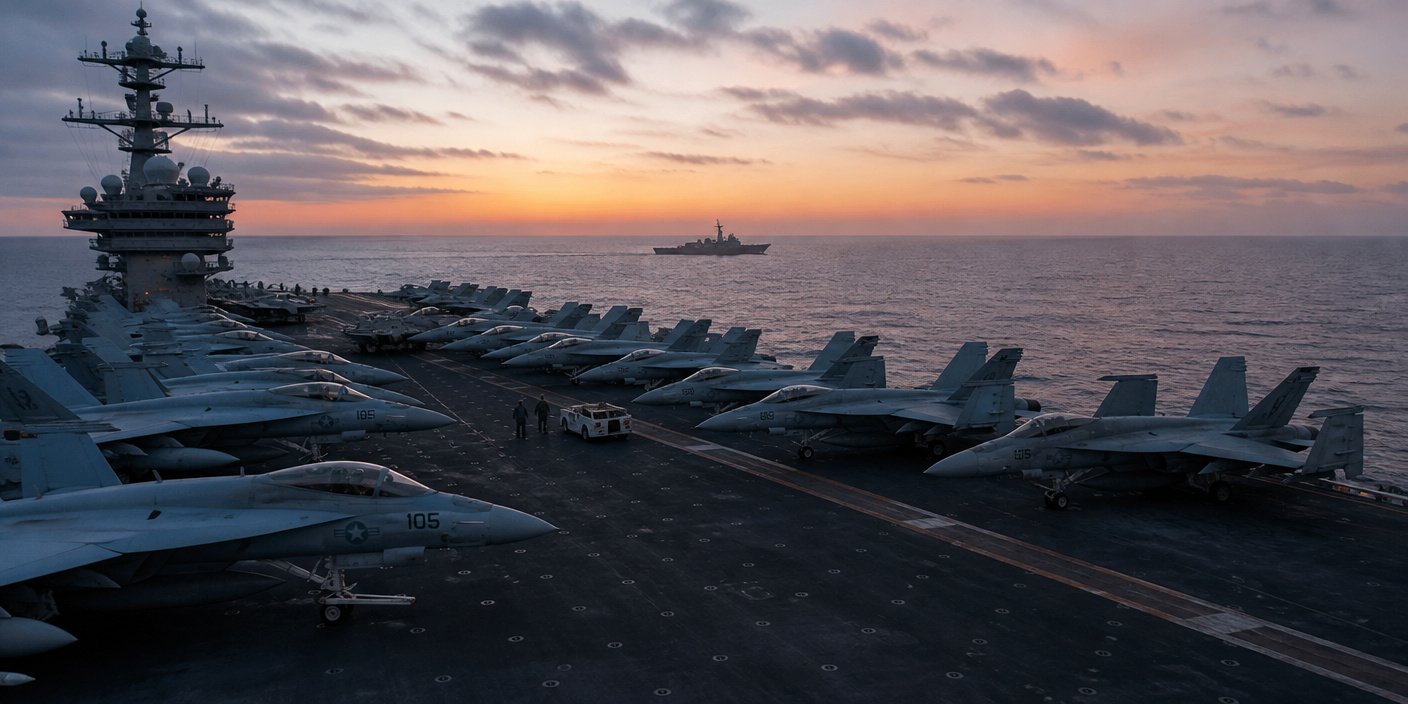
President Trump has formally confirmed that his administration is currently at a geopolitical crossroads, weighing the viability of a negotiated agreement with Iran against the prospect of launching decisive military strikes to what he describes as “finish them off.” This high-stakes ultimatum has created a volatile atmosphere in both Washington and Tehran, as the global energy sector reacts with extreme sensitivity to the shifting potential for an expanded regional conflict. Despite the aggressive rhetoric, Iranian officials have indicated that indirect diplomatic channels remain open, suggesting a lingering, if fragile, desire to avoid a full-scale kinetic confrontation.
Key Highlights
- The Binary Choice: President Trump has explicitly framed his current Iran strategy as a decision between a comprehensive diplomatic agreement and a military operation intended to end the threat definitively.
- Diplomatic Backchannels: Iranian authorities confirm that while their stance remains firm, backchannel negotiations are continuing, preventing an absolute breakdown in communication.
- Energy Market Volatility: Global oil markets continue to trade on high tension, with Brent crude holding steady near $115 per barrel as investors factor in the risk of supply disruptions.
- Regional Uncertainty: The situation remains fluid, with both sides balancing domestic political pressure against the dire economic and strategic consequences of an escalation.
The Geopolitical Crossroads: Diplomacy or Force
The current standoff represents a critical inflection point in the Middle East. President Trump’s rhetoric regarding the option to “finish them off” signals a potential departure from the strategy of containment that has defined much of the recent policy cycle. The administration is reportedly conducting a high-level review of the potential fallout from a kinetic military strike versus the long-term viability of a negotiated settlement.
The Iranian Response
Tehran has responded to these threats with a mixture of defiance and pragmatism. While Iranian leadership maintains a public commitment to their established defense and regional policies, sources close to the regime indicate that indirect diplomatic efforts are the primary focus of their current operational strategy. This dual approach—projecting strength while keeping communication lines active—reflects a recognition that neither side currently views a full-scale regional war as an optimal outcome, even as the threat of one looms larger by the day.
Energy Markets and the $115 Benchmark



The global economy is currently paying the price for this uncertainty. Brent crude is trading near $115 per barrel, a level that reflects the market’s “fear premium.” Energy traders are increasingly concerned that any miscalculation by either party—or a kinetic incident that affects the Strait of Hormuz—could send prices significantly higher. The market is not merely reacting to current supply, but to the potential for a massive, structural supply shock should the situation devolve into open conflict.
Strategic Implications: The Hidden Costs
Beyond the immediate threat of military action, the secondary angle to this crisis is the profound strain on international alliances. European partners, who have historically pushed for the preservation of previous diplomatic frameworks, are finding themselves increasingly marginalized as the US and Iran revert to a binary posture of confrontation. This pivot forces allies to choose between aligning with US military objectives or maintaining distinct diplomatic identities, further fracturing the cohesive international response that defined previous years of regional policy.
The Economic Ripple Effect
Inflationary pressures resulting from high energy costs are already impacting domestic economies globally. A sustained period of oil trading at or above $115 per barrel acts as a hidden tax on global growth. Should the diplomatic backchannels currently being touted by Iranian officials fail, the subsequent disruption to global supply chains would likely trigger a sharp contraction in industrial output, shifting the burden of the crisis from a localized geopolitical issue to a widespread macroeconomic downturn.
Future Predictions: The Fragility of ‘Indirect’ Diplomacy
The reliance on indirect diplomacy, mediated through third-party nations, is a strategy of last resort. It lacks the transparency and trust-building capacity of direct negotiations, making it prone to misinterpretation. Looking ahead, the primary risk is not necessarily a sudden, planned strike, but rather a “gray zone” escalation where a small, localized tactical incident is misinterpreted by either side, leading to an accidental slide into a broader, uncontrollable conflict.
FAQ: People Also Ask
Q: Is a military strike against Iran inevitable?
A: Not necessarily. President Trump has stated he is currently weighing the choice. The existence of open diplomatic backchannels suggests that a negotiated path is still being actively pursued, though the window for such a resolution is narrowing.
Q: Why is the price of oil so high right now?
A: Brent crude is hovering around $115 per barrel primarily due to the geopolitical risk premium. Markets are pricing in the possibility of supply chain disruptions in the Middle East should the situation between the US and Iran escalate.
Q: What does “finishing them off” mean in this context?
A: The phrasing suggests a decisive military action intended to neutralize Iran’s strategic capabilities or regional influence. It represents the more aggressive end of the administration’s options, contrasting directly with the goal of reaching a negotiated agreement.
Q: Are there any direct negotiations happening between the US and Iran?
A: Current reports indicate that negotiations are “indirect,” meaning they are facilitated through intermediaries rather than direct meetings between US and Iranian officials.