President Donald Trump has declared he might seek to “wipe out” Iran’s Islamic Revolutionary Guard Corps (IRGC), signaling a potential dramatic escalation in the already strained relations between Washington and Tehran. The comments come amid a backdrop of renewed clashes and accusations of violations of a Pakistani-mediated memorandum of understanding. Trump also asserted that Iran had initiated contact for a meeting, a claim for which no public evidence has been presented.
Key Highlights:
- President Trump has not excluded the possibility of targeting Iran’s Islamic Revolutionary Guard Corps (IRGC) for “wiping out.”
- Trump claims Iran reached out for a meeting, though this remains uncorroborated publicly.
- The U.S. previously designated the IRGC as a foreign terrorist organization in 2019.
- Sanctions have been imposed on individuals and entities supporting the IRGC’s weapons procurement.
- Both nations have engaged in retaliatory strikes on military facilities.
Escalating Tensions: The U.S. Stance on Iran’s Revolutionary Guard
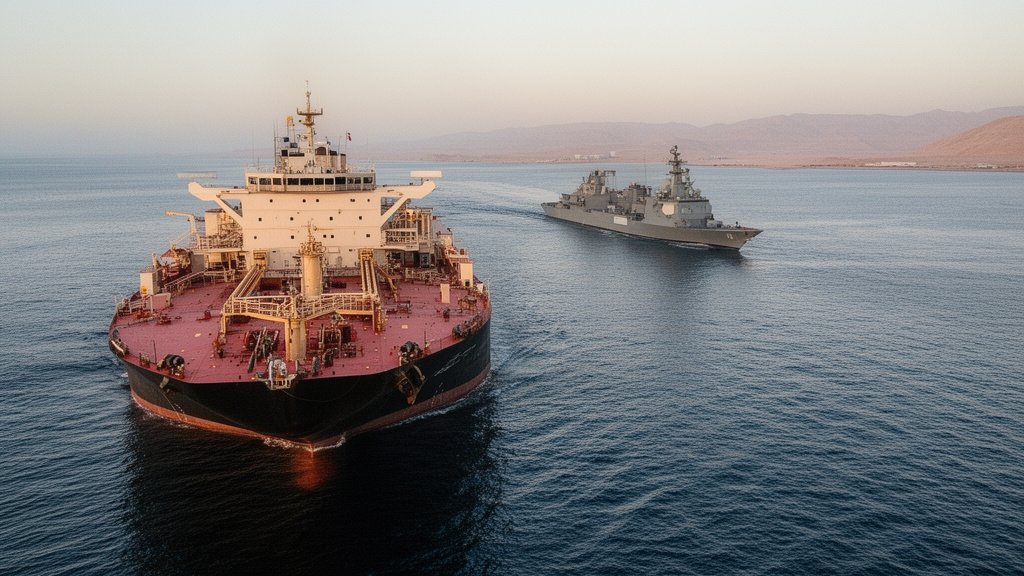
The Islamic Revolutionary Guard Corps (IRGC) stands as a formidable entity within Iran, wielding significant influence over the nation’s governance and military operations. Its prominent role in leading Iran’s response to regional conflicts has drawn substantial attention from the United States. In a significant move in 2019, the U.S. officially designated the IRGC as a foreign terrorist organization, a step that underscored the deepening animosity and mistrust between the two countries. This designation was followed by further actions from the U.S. Treasury Department, which levied sanctions against seven individuals and entities identified as providing support for the IRGC’s weapons procurement activities. These measures were intended to curb Iran’s ability to develop and acquire advanced weaponry. The strategic objective behind these U.S. actions, particularly those involving strikes on Iranian military facilities, has been to diminish Tehran’s capacity to threaten vital shipping lanes, such as those in the strategically important Strait of Hormuz.
A Cycle of Retaliation and Threats


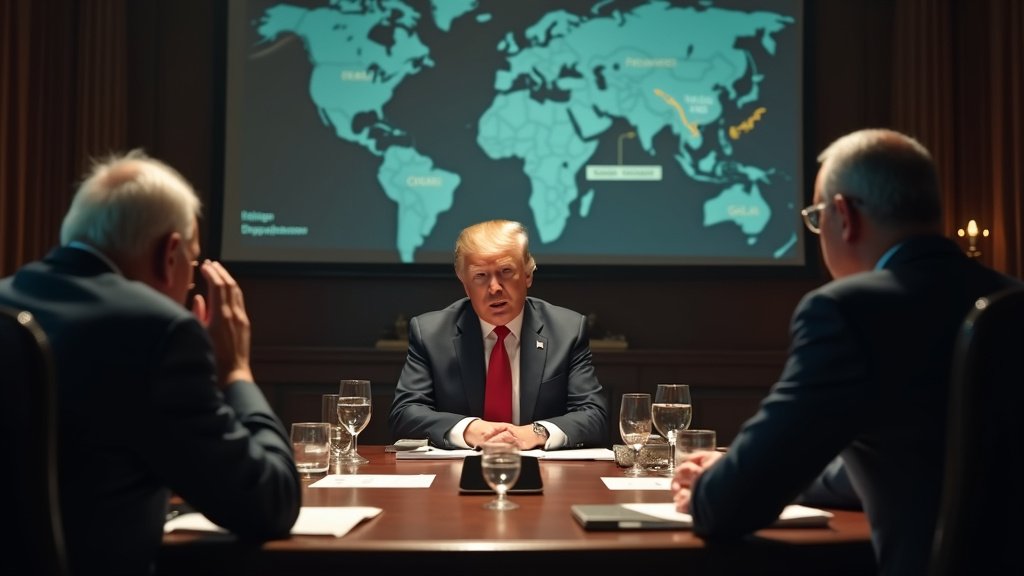
The current phase of heightened tension appears to be fueled by mutual accusations of violating a memorandum of understanding brokered by Pakistan. In response to what it deemed provocations, Iran has also claimed to have launched retaliatory strikes against U.S. military facilities. This tit-for-tat exchange of attacks has created a precarious security situation in the region. President Trump has further intensified the rhetoric by issuing direct threats, stating that Iran “better behave” and warning of potential attacks on the country’s infrastructure, including bridges and power plants, should Tehran refuse to re-engage in diplomatic talks. This aggressive stance highlights the administration’s readiness to employ strong economic and military measures to pressure Iran into compliance and de-escalation.
The IRGC: A Pillar of Iranian Power
The IRGC’s influence extends far beyond its military functions. It is deeply embedded in Iran’s political and economic landscape, controlling significant business interests and paramilitary forces. Its designation as a foreign terrorist organization by the U.S. is a testament to its perceived threat to regional stability and U.S. interests. The IRGC’s involvement in proxy conflicts across the Middle East and its ballistic missile program are key concerns for the international community, particularly the United States and its allies. The organization’s robust capabilities and its ideological commitment to the Iranian Revolution make it a central, and often controversial, player in both domestic and foreign policy.
Diplomatic Stalemate and Future Outlook
Despite Trump’s claims of Iran reaching out for a meeting, the current diplomatic channels appear to be largely frozen. The threats of further military action and economic sanctions create a volatile environment, making a swift resolution unlikely. The U.S. strategy, characterized by maximum pressure, aims to compel Iran to alter its regional behavior and nuclear ambitions. However, critics argue that such an approach risks further entrenching hardliners within Iran and could inadvertently provoke wider conflict. The path forward remains uncertain, with the potential for de-escalation contingent on a significant shift in the current geopolitical dynamics and a willingness from both sides to engage in meaningful dialogue.
FAQ: People Also Ask
What is the Islamic Revolutionary Guard Corps (IRGC)?
The IRGC is a branch of the Iranian armed forces founded after the 1979 Iranian Revolution. It is responsible for military operations, including domestic security and foreign interventions, and exerts considerable influence over Iran’s political and economic sectors. The U.S. designated it as a foreign terrorist organization in 2019.
Why has the U.S. targeted the IRGC with sanctions?
The U.S. has imposed sanctions on the IRGC and its affiliated individuals and entities to curb its ability to finance its military activities, including its ballistic missile program and support for regional proxies. These measures are part of the U.S.’s broader strategy to pressure Iran to change its behavior.
What are the Strait of Hormuz concerns?
The Strait of Hormuz is a vital chokepoint for global oil shipments. The U.S. has expressed concerns that Iran could use the IRGC to disrupt shipping in this critical waterway, impacting global energy supplies. U.S. military actions aim to deter such disruptions.
Has Iran directly requested a meeting with Trump?
President Trump has stated that Iran has reached out for a meeting. However, there has been no public evidence or independent confirmation to support this claim, leaving its veracity open to question.
What are the potential consequences of Trump’s threats against the IRGC?
Trump’s threats to “wipe out” the IRGC, if acted upon, could lead to a severe escalation of conflict between the U.S. and Iran, potentially drawing in regional allies and significantly destabilizing the Middle East. It could also lead to wider economic repercussions.