The United States launched new strikes on Iran on Thursday, July 9, 2026, a significant escalation just weeks after a memorandum of understanding was signed. U.S. Central Command stated the operation’s objective was to degrade Iran’s capacity to threaten freedom of navigation within the Strait of Hormuz. This action has led to Iran’s Revolutionary Guards claiming retaliatory attacks on two U.S. bases in Kuwait and two in Bahrain, with further escalation warned. The renewed hostilities underscore deep-seated disputes surrounding the memorandum, particularly regarding the safe passage of commercial vessels. President Donald Trump declared the recent ceasefire over, issuing a stern warning of intensified strikes should Iran target ships again, though he expressed a belief that a full-scale war might be averted. International Monetary Fund (IMF) has lowered its global growth forecast for 2026 to 3%, citing the ongoing Middle East war and persistent inflation as key contributing factors.
Key Highlights:
- U.S. strikes on Iran on July 9, 2026, mark a major escalation.
- Freedom of navigation in the Strait of Hormuz is the primary point of contention.
- Iran claims retaliatory strikes on U.S. bases in Kuwait and Bahrain.
- President Trump has declared the ceasefire over.
- Global growth forecast reduced to 3% due to the conflict.
Strait of Hormuz Tensions Flare as Ceasefire Collapses
The strategic Strait of Hormuz, a vital chokepoint for global oil shipments, has once again become the epicenter of a burgeoning conflict between the United States and Iran. On Thursday, July 9, 2026, U.S. Central Command confirmed a series of strikes targeting Iranian assets, framing the action as a necessary measure to counter Tehran’s disruptive capabilities against maritime traffic. This military engagement represents a stark reversal from the period of de-escalation that followed the signing of a memorandum of understanding (MOU) in mid-June, a pact now evidently frayed beyond repair.
Iran’s Retaliation and Escalation Warnings
In the immediate aftermath of the U.S. strikes, Iran’s Islamic Revolutionary Guards Corps (IRGC) announced they had successfully targeted two U.S. military bases located in Kuwait and two in Bahrain. The IRGC issued a grave warning, indicating that further, more significant escalatory actions were being contemplated if the United States did not cease its operations. This tit-for-tat exchange highlights the volatile nature of the region and the deep mistrust that continues to plague U.S.-Iran relations, making the prospect of sustained peace increasingly remote.
The Fragile Memorandum and Commercial Passage
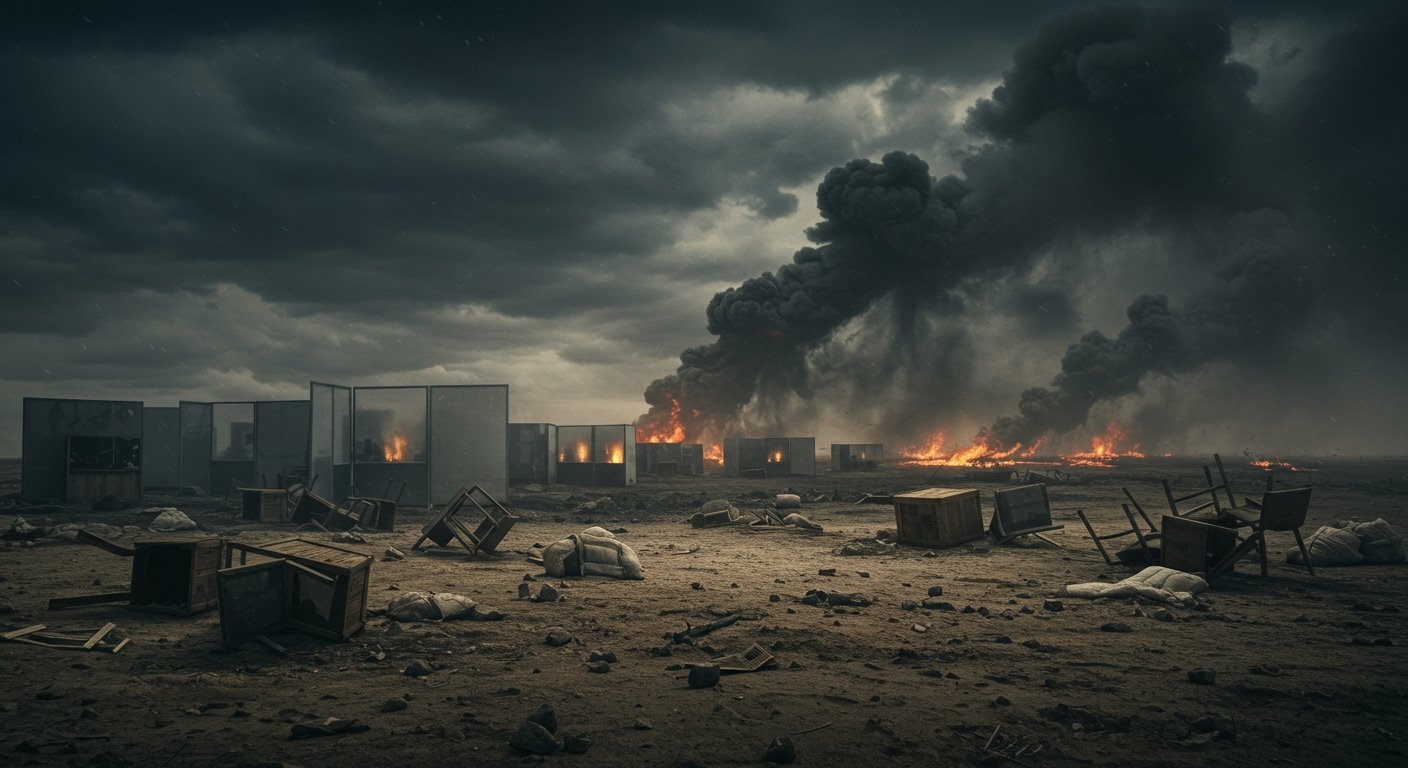

The breakdown of the mid-June memorandum of understanding is central to the current crisis. Sources indicate significant disagreements persisted regarding the interpretation and implementation of provisions related to the safe passage of commercial vessels through the Strait of Hormuz. Iran has consistently accused the U.S. and its allies of overreaching and imposing undue restrictions, while the U.S. has maintained that Iran’s actions, including alleged harassment and seizures of ships, pose a direct threat to international commerce and a fundamental right to freedom of navigation.
Presidential Response and Global Economic Impact
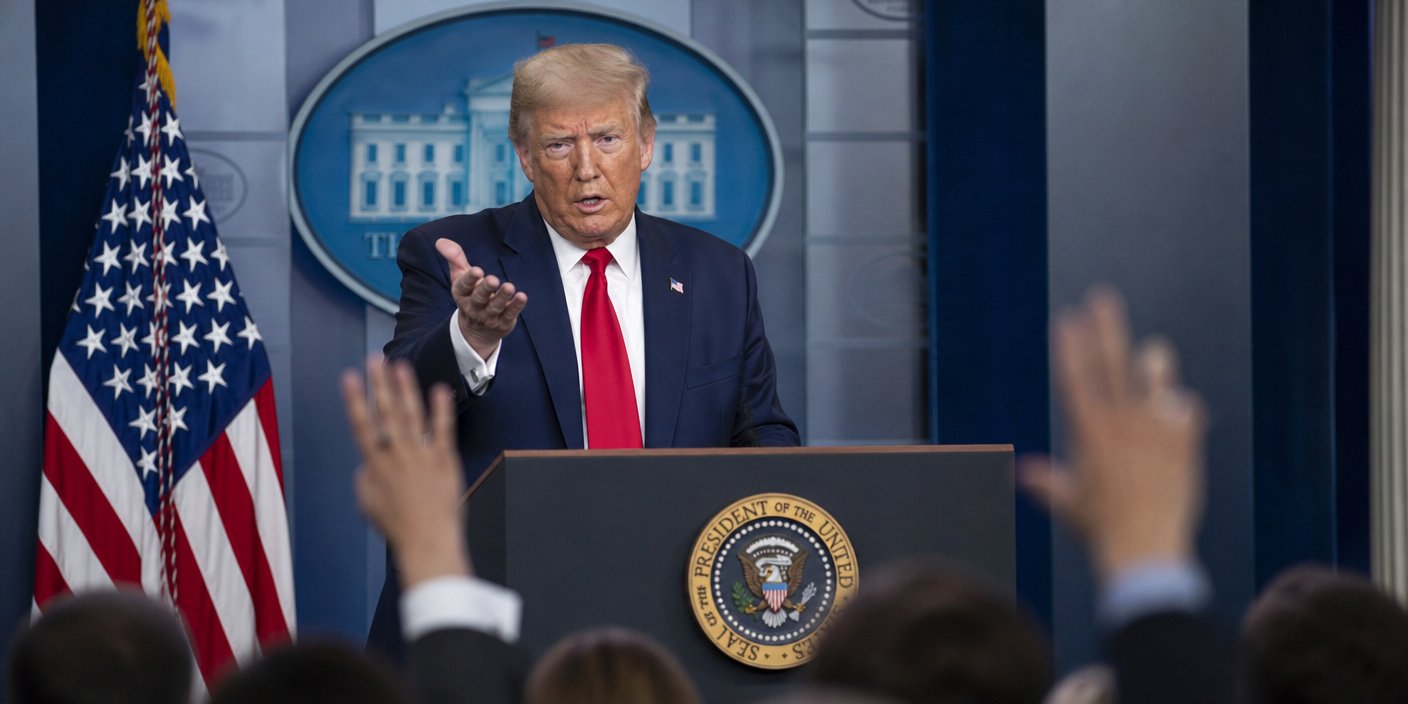
President Donald Trump, in a decisive move, declared the recently established ceasefire null and void. He issued a direct ultimatum to Iran, promising intensified military strikes should any further attacks on shipping occur. Despite the heightened rhetoric and military actions, the President expressed a degree of confidence that a full-scale war could still be avoided. However, the geopolitical instability has already sent ripples through the global economy. The International Monetary Fund (IMF) has revised its global growth forecast downward to 3% for 2026, explicitly citing the impact of the Middle East conflict and ongoing inflationary pressures as primary drivers of this revised outlook.
Regional Repercussions: Kuwait and Bahrain Respond
Both Kuwait and Bahrain confirmed their security forces intercepted incoming aerial threats. Kuwaiti authorities reported successfully intercepting missiles and drones, while Bahrain announced it had neutralized incoming fire. These reports corroborate the extent of Iran’s claimed retaliatory actions and underscore the immediate threat faced by U.S. allies in the region. The incidents highlight the interconnectedness of the conflict and the potential for wider regional destabilization.
Human and Economic Costs Mount
Reports from Iran indicate casualties resulting from the strikes. Details emerged of a firefighter killed at Iranshahr airport and other members of Iran’s armed forces succumbing to injuries sustained in previous U.S. operations. These human losses, coupled with the economic fallout from increased geopolitical risk and reduced global growth forecasts, paint a grim picture of the escalating situation. The dual impact on human lives and global economic stability emphasizes the severe consequences of renewed hostilities in such a critical region.
FAQ: People Also Ask
What is the Strait of Hormuz and why is it important?
The Strait of Hormuz is a narrow waterway connecting the Persian Gulf and the Gulf of Oman. It is one of the world’s most important oil transit points, with roughly 20-30% of the world’s total oil consumption and about 25% of the global LNG trade passing through it daily. Its strategic importance makes any disruption there a significant global economic concern.
What was the memorandum of understanding between the US and Iran?
The memorandum of understanding signed in mid-June aimed to de-escalate tensions and ensure freedom of navigation in the Strait of Hormuz. Details remain scarce, but it reportedly involved understandings on maritime safety and passage for commercial vessels. Its recent breakdown signifies a failure to maintain the agreed-upon terms, leading to the current strikes.
What are the economic consequences of the US-Iran conflict?
The conflict directly impacts global oil prices due to the Strait of Hormuz’s importance. It also contributes to global inflation and has led the IMF to lower its global growth forecast. Increased geopolitical risk can deter investment and disrupt trade routes, further straining the global economy.
Have there been previous U.S.-Iran conflicts over the Strait of Hormuz?
Yes, the Strait of Hormuz has been a flashpoint for tensions between the U.S. and Iran for decades. Incidents have included the seizure of ships, naval skirmishes, and Iran’s threats to close the strait. These recurring confrontations highlight the long-standing strategic importance and contested nature of this waterway.
What is the role of the International Monetary Fund (IMF) in this situation?
The IMF monitors global economic stability and forecasts economic growth. In this instance, the IMF has reduced its global growth projection due to the conflict and inflation, highlighting the significant economic impact of the U.S.-Iran tensions on the wider world economy. The IMF’s role is to report on and analyze these economic effects.