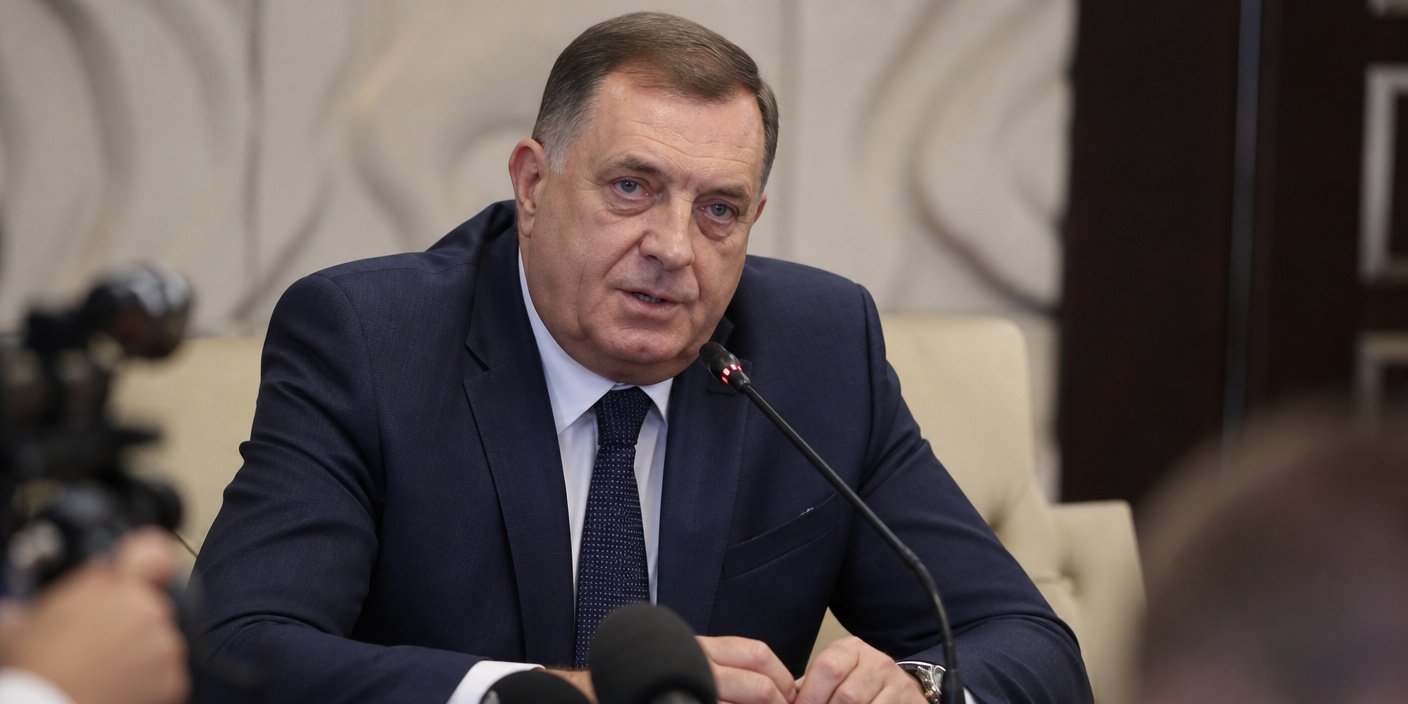
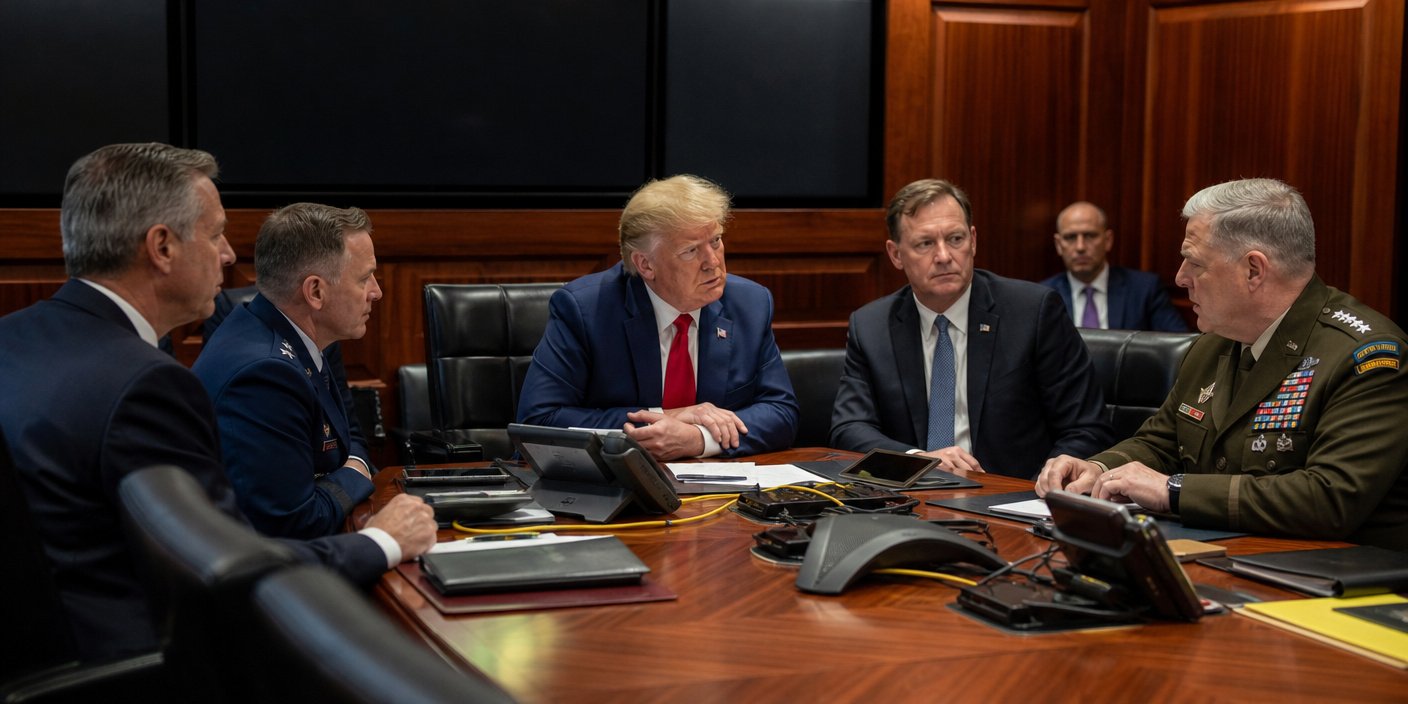
The United States has conducted new airstrikes targeting southern Iran, while Hezbollah forces have engaged in clashes with Israeli military units amid escalating regional tensions. The dual developments signal a widening scope of conflict in the Middle East, drawing in major regional and international actors.
Key Highlights:
- US airstrikes executed in southern Iran.
- Hezbollah engaged in active combat with Israeli forces.
- Escalating regional instability and potential for wider conflict.
- International concern over de-escalation.
Regional Flashpoints Intensify
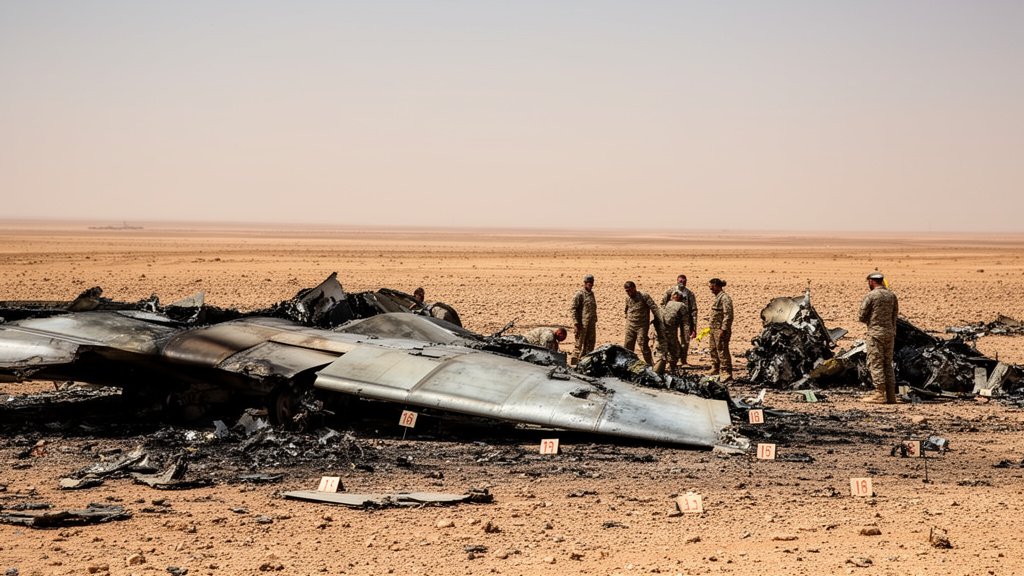
The recent US airstrikes in southern Iran represent a significant escalation, the specifics of which remain under scrutiny. While the Pentagon has yet to release comprehensive details, the operation is understood to be part of broader strategic objectives in the region. Concurrently, the Lebanese militant group Hezbollah announced it had launched attacks against Israeli positions, citing solidarity with Palestinian resistance. These actions have intensified border skirmishes and heightened fears of a more expansive regional war that could draw in multiple state and non-state actors.
The Geopolitical Chessboard
The intertwined nature of these events underscores the complex geopolitical landscape of the Middle East. The US presence and its stated security interests in the region are often at odds with the objectives of Iran and its allied groups, such as Hezbollah. These airstrikes, depending on their scale and targets, could be interpreted as a direct challenge to Iranian influence or as a preemptive measure against perceived threats. The clashes involving Hezbollah and Israel, a recurring theater of conflict, add another volatile layer, threatening to pull regional powers into a direct confrontation.
International Ramifications and Diplomatic Efforts

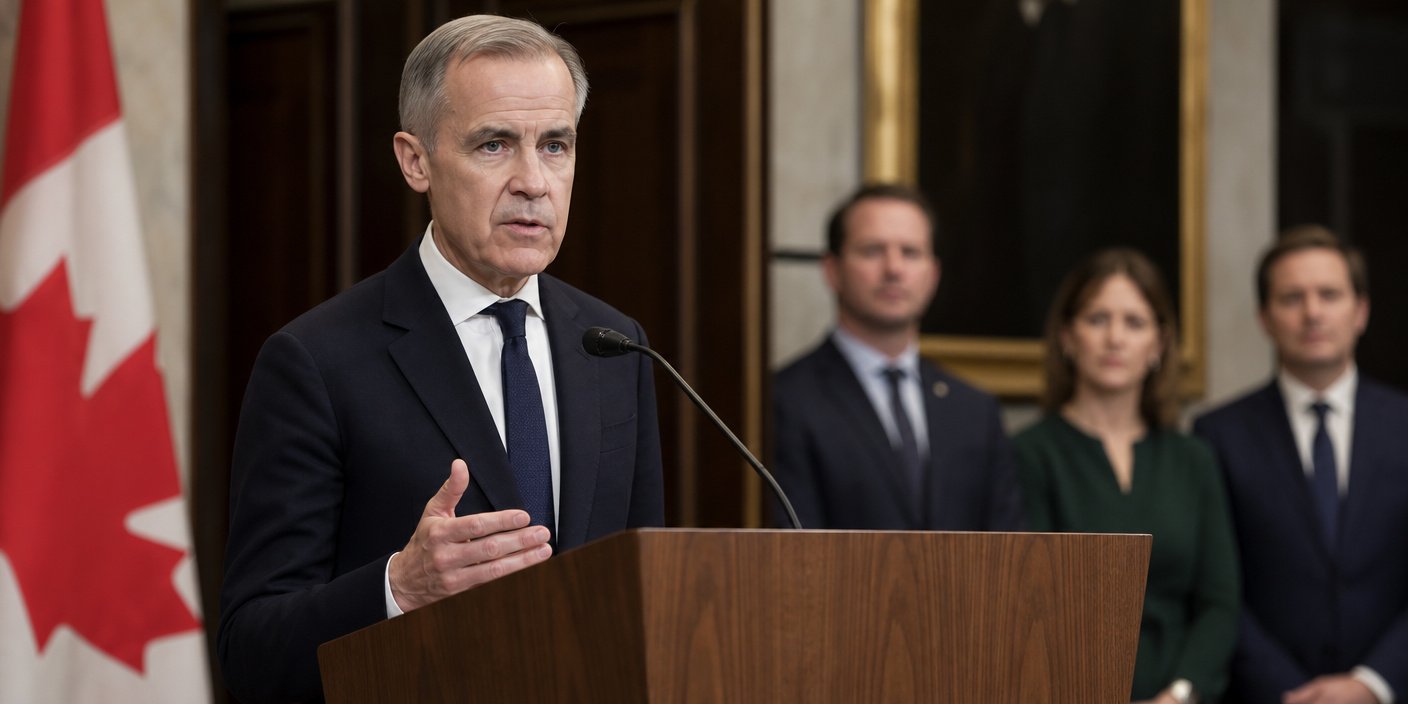
The international community has responded with a mixture of concern and calls for restraint. Diplomatic channels are reportedly active, with various nations attempting to de-escalate the situation and prevent a wider conflagration. The economic implications of such a conflict are also substantial, given the region’s critical role in global energy markets. A broader war could disrupt oil supplies, leading to significant price volatility and global economic instability. The United Nations and other international bodies are likely to intensify their efforts to mediate and secure a cessation of hostilities.
Historical Context of US-Iran and Israel-Hezbollah Relations
Understanding the current events requires a brief look at the historical context. US-Iran relations have been fraught with tension since the 1979 Islamic Revolution, marked by periods of direct and indirect confrontation, sanctions, and nuclear program disputes. The US has maintained a significant military presence in the Middle East, ostensibly to counter threats and ensure regional stability, but often perceived by Iran as interference. Similarly, the conflict between Israel and Hezbollah has a long and bloody history, rooted in the Israeli occupation of southern Lebanon and evolving into a potent symbol of resistance against Israeli military actions. These periodic clashes, often intense, have rarely led to all-out war but have kept the region on edge for decades.
Evolving Tactics and Asymmetric Warfare
Both the US military and groups like Hezbollah employ distinct but effective forms of warfare. The US military relies on advanced technology, air power, and precision-guided munitions, as demonstrated by the recent airstrikes. Hezbollah, on the other hand, is known for its sophisticated asymmetric warfare capabilities, including a vast arsenal of rockets, drones, and well-trained ground forces, allowing it to engage a militarily superior adversary in a prolonged conflict. This disparity in tactics highlights the challenges in achieving decisive military victories and the likelihood of protracted, attritional conflicts.
FAQ: People Also Ask
What are the primary US objectives in the current Middle East operations?
While specific details are often classified, US objectives typically include countering terrorism, ensuring the free flow of commerce, deterring aggression from state and non-state actors, and supporting allies in the region. The recent airstrikes in Iran likely fall under these broader strategic aims, possibly related to intelligence on perceived threats or responses to specific incidents.
How has Hezbollah’s military capability evolved over the years?
Hezbollah has significantly enhanced its military capabilities since its inception. It possesses a substantial arsenal of rockets and missiles capable of reaching most of Israel, along with advanced drones and a highly motivated fighting force. Its network of tunnels and operational experience gained from conflicts, including in Syria, have further refined its effectiveness in asymmetric warfare.
What is the potential impact of these events on global oil prices?
Escalating conflicts in the Middle East, particularly those involving Iran, can lead to significant volatility in global oil prices. Disruptions to supply routes, increased risk premiums, or direct impacts on oil production facilities can cause prices to surge. The region is a crucial supplier of crude oil, and any instability raises concerns about market access and supply security.
What diplomatic efforts are underway to de-escalate the situation?
International diplomatic efforts typically involve direct communication between involved parties, mediation by third countries or international organizations like the UN, and public statements urging restraint. The specifics of current diplomatic initiatives are often not immediately disclosed but aim to prevent a wider conflict through negotiation and de-escalation.
What is the historical relationship between Iran and Hezbollah?
Hezbollah was established in the early 1980s with significant support from Iran, serving as a proxy force to advance Iranian strategic interests in Lebanon and the broader region. Iran continues to provide Hezbollah with substantial financial, military, and political backing, fostering a close and strategic alliance that plays a critical role in regional power dynamics.