Israel’s military has instructed residents in southern Lebanon to evacuate their homes as ongoing hostilities with Hezbollah escalate. This directive follows a period of intensified cross-border exchanges, raising concerns about a broader conflict.
Key Highlights:
- Israel has ordered residents in southern Lebanon to leave their homes.
- The evacuation order is a direct response to escalating clashes with Hezbollah.
- The move signals a potential widening of the conflict along the Israeli-Lebanese border.
- International bodies are monitoring the situation closely for signs of de-escalation or further escalation.
Escalating Border Tensions
Cross-border exchanges between Israel and Hezbollah have intensified in recent weeks, marking a significant escalation since the commencement of the Gaza conflict. The Israeli military’s directive for civilians in southern Lebanon to evacuate is a stark indicator of the seriousness with which Jerusalem views the current threat. This move is not merely a precautionary measure but a direct response to what Israel perceives as an unacceptable level of aggression from the Iran-backed militant group. The Lebanese border region, already a scene of persistent skirmishes, now faces the prospect of significant displacement as a result of the intensified fighting. The Israeli Defense Forces (IDF) stated that the order was issued to ensure the safety of civilians and to facilitate ongoing military operations aimed at neutralizing threats emanating from Lebanese territory.
Hezbollah’s Stance and Capabilities
Hezbollah, a powerful Shiite political and militant group, has been engaged in tit-for-tat attacks with Israel since the October 7th Hamas attacks on Israel. The group has demonstrated a significant arsenal of rockets and missiles, capable of reaching deep into Israeli territory. Their stated objective has been to support Hamas and to deter further Israeli actions in Gaza. The group’s leadership has repeatedly vowed to continue its resistance, portraying the current exchanges as a necessary response to Israeli actions. The complexity of the situation is further amplified by Hezbollah’s dual role as a political party within Lebanon, meaning any large-scale Israeli military action could have profound implications for Lebanese stability. The international community, particularly the United States and European nations, have been engaged in diplomatic efforts to prevent a full-blown war, fearing the devastating consequences for both countries and the wider Middle East region.
Humanitarian Implications and Displacement
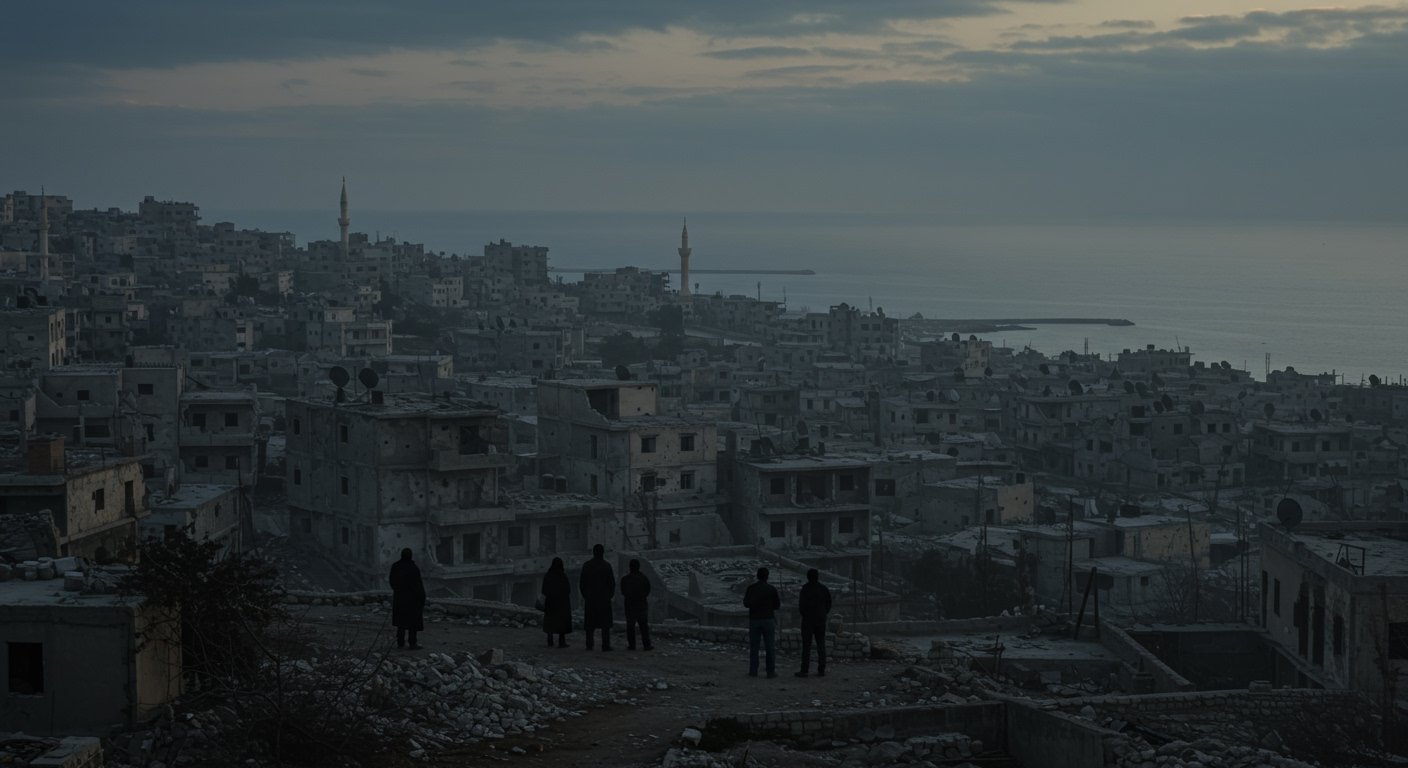


The order for residents to leave southern Lebanon highlights the severe humanitarian implications of the ongoing conflict. Thousands of Lebanese civilians are expected to be displaced, seeking refuge in safer areas further north. This adds to the already immense suffering caused by the conflict in the region, with many already displaced due to the near-daily exchanges of fire. The United Nations and various humanitarian organizations are scrambling to assess the needs of potential evacuees and to preposition aid, though access and security remain significant challenges. The prospect of widespread displacement raises concerns about shelter, food, water, and medical care for those forced to flee their homes. International aid agencies are appealing for unimpeded humanitarian access and for all parties to respect international humanitarian law, which includes protecting civilians and civilian infrastructure.
Geopolitical Ramifications and Regional Stability
The escalating tensions between Israel and Hezbollah are a critical component of the broader geopolitical landscape in the Middle East. The conflict risks drawing in other regional actors and further destabilizing an already volatile region. Iran, a key supporter of Hezbollah, is closely watching the developments, and any significant escalation could be interpreted as a direct confrontation with Tehran. The United States, a staunch ally of Israel, has deployed additional military assets to the region, signaling its commitment to Israel’s security while also attempting to deter a wider conflict. The ongoing diplomatic efforts are crucial, aiming to de-escalate tensions through back-channel communications and public pronouncements. The international community’s response will be pivotal in shaping the trajectory of the conflict, with a unified approach potentially exerting greater pressure on all parties to exercise restraint. The economic impact, including disruptions to trade and increased defense spending, is also a significant concern for all nations involved.
Historical Context of Border Conflicts
The current clashes are part of a long and complex history of conflict along the Israel-Lebanon border. The area has been a focal point of tensions for decades, marked by Israeli incursions, Hezbollah rocket attacks, and the UN peacekeeping force (UNIFIL) attempting to maintain stability. The 2006 Lebanon War, a devastating conflict that resulted in significant casualties and destruction on both sides, serves as a grim reminder of the potential for escalation. The current situation is viewed by many analysts as a dangerous continuation of this historical pattern, exacerbated by the wider regional instability following the October 7th attacks. Understanding this historical context is crucial for grasping the deeply entrenched nature of the animosity and the challenges in achieving a lasting peace.
FAQ: People Also Ask
What is Hezbollah?
Hezbollah is a Shiite Islamist political party and militant group based in Lebanon. It was founded in the 1980s with support from Iran and has since become a significant military and political force in Lebanon and the wider Middle East. Hezbollah is designated as a terrorist organization by several countries, including the United States, Israel, and the United Kingdom.
Why is Israel ordering evacuations in southern Lebanon?
Israel has ordered residents to evacuate southern Lebanon due to escalating hostilities and the perceived threat from Hezbollah. The Israeli military aims to ensure civilian safety and to facilitate its military operations against Hezbollah cross-border attacks.
What is the historical relationship between Israel and Hezbollah?
The relationship is one of deep-seated animosity and recurrent conflict. Hezbollah emerged in response to the Israeli invasion of Lebanon in 1982 and has been engaged in a protracted struggle against Israel ever since, including the major war in 2006.
What are the potential consequences of a wider conflict?
A wider conflict between Israel and Hezbollah could lead to significant casualties, widespread destruction, massive displacement of populations, and further destabilization of the Middle East. It could also draw in other regional powers and further complicate international diplomatic efforts.
How are international organizations responding?
International organizations, including the United Nations and various humanitarian agencies, are closely monitoring the situation, appealing for de-escalation, and preparing to provide humanitarian assistance to affected populations. They are also calling for adherence to international humanitarian law.