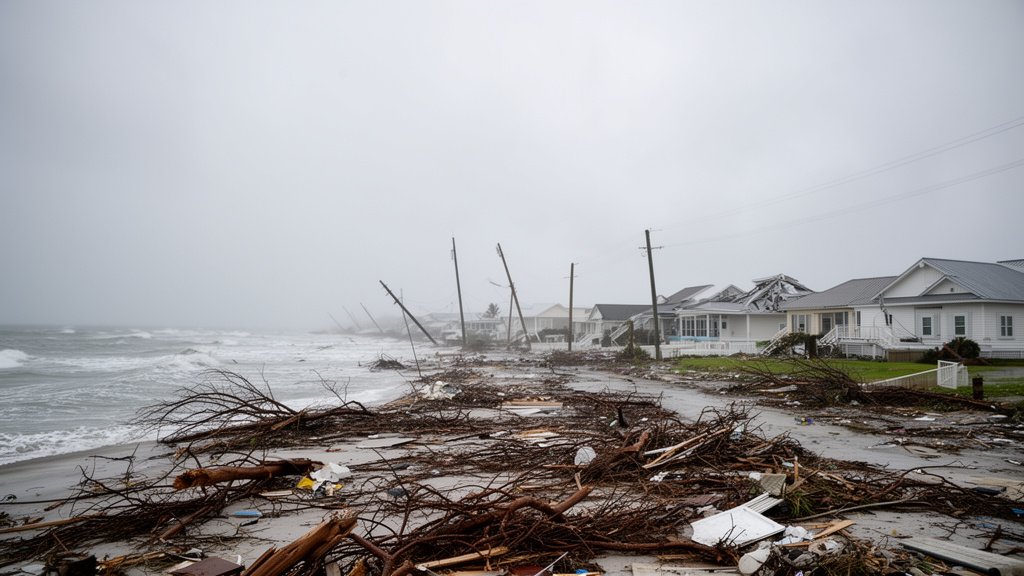
Hurricane Simon, a formidable Category 3 system, has made landfall along Mexico’s Pacific coast, bringing a catastrophic combination of hurricane-force winds and life-threatening storm surges to the region. As the storm churns through the coastal areas near Puerto Vallarta, authorities have issued urgent warnings for residents and tourists alike to seek immediate shelter, as the most severe impacts are anticipated to persist through Monday morning. The rapid intensification of the storm has caught many off guard, forcing local emergency responders to pivot rapidly into active search-and-rescue and evacuation protocols as the ocean begins to reclaim vulnerable coastal territory.
Key Highlights
- Storm Intensity: Hurricane Simon has sustained its strength as a Category 3 hurricane, packing sustained winds capable of structural failure.
- Geographic Impact: The epicenter of the impact zone is concentrated near the tourism-heavy region of Puerto Vallarta and surrounding vulnerable towns.
- Life-Threatening Surge: Coastal regions are experiencing significant sea-level rise, with storm surges threatening to inundate beachfront properties and low-lying infrastructure.
- Critical Window: Meteorologists warn that the most dangerous conditions are expected to continue through Monday morning, requiring constant vigilance.
- Emergency Mobilization: Local Civil Protection units have initiated emergency evacuations and opened designated shelters for displaced populations.
The Meteorological Siege: Understanding the Impact of Hurricane Simon
The arrival of Hurricane Simon represents a significant weather event for the Mexican Pacific coast, a region already accustomed to the volatile nature of the Pacific hurricane season. As a Category 3 hurricane on the Saffir-Simpson Hurricane Wind Scale, Simon is defined by sustained winds ranging between 111 and 129 miles per hour. These are not merely gale-force winds; they are destructive forces capable of causing devastating damage to well-built homes, snapping mature trees, and rendering power grids inoperable for days or even weeks.
The meteorological mechanics of this storm are particularly concerning due to the combination of high thermal energy in the Pacific waters and the specific topography of the Puerto Vallarta coastline. As the eye of the storm approaches, the barometric pressure has plummeted, creating a ‘suction’ effect that drives the ocean inward. This phenomenon, known as a storm surge, is often the deadliest aspect of any hurricane. For residents and tourists in Puerto Vallarta, this means that the immediate beachfront—an area typically known for luxury resorts and leisure—is currently the epicenter of a massive, life-threatening marine invasion.
Infrastructure Vulnerabilities and Coastal Defense
While Puerto Vallarta is a major economic engine for the region, its geography makes it inherently vulnerable to high-velocity water displacement. The coastal topography is characterized by a mix of high-end resort development and older, more vulnerable towns that lack the structural reinforcement to withstand a major Category 3 impact. Infrastructure such as sewage systems, electrical substations, and coastal roads are currently at high risk of being washed out or severely compromised.
The Mexican Sistema Nacional de Protección Civil (National Civil Protection System) has been working in high-gear coordination with municipal authorities to mitigate these risks. However, the sheer volume of precipitation accompanying the wind adds a layer of complexity. Soil saturation is already leading to a high probability of landslides in the mountainous regions surrounding the coastal plains. As the storm advances through Monday morning, the cumulative effect of rain and wind will likely stress regional dam capacities and riverbanks, potentially triggering localized flooding far inland from the initial impact site.
Economic and Tourism Consequences



Beyond the immediate threat to life, Hurricane Simon poses a substantial economic challenge. Tourism is the lifeblood of the Pacific coast. The destruction of resort infrastructure, the cancellation of flights, and the necessary evacuations will result in a significant short-term economic contraction for the region. The recovery period for such a major event is rarely quick. Investors and stakeholders in the hospitality industry are watching the development of the storm with trepidation, as the restoration of power and water to these resort complexes is a prerequisite for reopening.
Furthermore, the agriculture sector in the surrounding lowlands may suffer heavily from saltwater intrusion, which can render fertile soil unproductive for seasons to come. The economic resilience of the region will be tested in the coming weeks as local governments begin the daunting task of debris removal and infrastructure repair.
Secondary Angles: A Deeper Look at Climate and Preparedness
1. The Climate Connection: Warming Oceans as Fuel
Scientific consensus increasingly points toward the correlation between rising sea surface temperatures and the rapid intensification of tropical cyclones. Hurricane Simon is a stark reminder of the volatility introduced by warmer Pacific waters, which serve as high-octane fuel for such systems. This raises critical questions about whether the current building codes and coastal defense mechanisms in Mexico are sufficient for a future characterized by more frequent, higher-intensity storms.
2. The Evacuation Dilemma in Tourism Hubs
Managing the evacuation of thousands of transient tourists alongside local populations presents a unique logistical challenge. Unlike permanent residents who may have established emergency kits and plans, tourists often rely on hotels and local authorities for direction. The ‘last-minute’ nature of modern travel requires a highly agile communication strategy from authorities to ensure that no one is left behind in a hotel room that has not been deemed storm-proof.
3. Historical Parallels and Long-term Recovery
When comparing Simon to historical weather events in this region, experts look to the long-term impact on coastal ecosystems. Mangroves and coral reefs, which act as natural storm barriers, often bear the brunt of these events. Assessing the ‘ecological footprint’ of the storm will be just as vital as tallying the economic cost, as these natural barriers are essential for mitigating the impact of future storms.
FAQ: People Also Ask
What makes a Category 3 hurricane like Simon dangerous?
Category 3 hurricanes, considered major hurricanes, can cause devastating damage. The primary risks include structural failure of homes, uprooted trees, and extended power outages, but the most lethal aspect is typically the storm surge, which can flood vast areas of coastline.
Why is the storm surge in Puerto Vallarta so concerning?
Puerto Vallarta’s coastal geography includes many low-lying areas and beachfront properties. When a powerful storm pushes the ocean inland, it doesn’t just raise water levels; it brings high-velocity currents, debris, and potential flooding that can trap individuals in ground-floor accommodations.
What should tourists in the affected area do?
Tourists should immediately follow the guidance provided by their hotel staff, local police, and the Mexican Civil Protection services. This typically involves moving to higher ground, staying away from windows, and refraining from attempting to travel to the airport or leave the area until local authorities officially declare it safe.
How long will the effects of Hurricane Simon last?
While the peak intensity is slated for Monday morning, the aftermath—including flooding, power outages, and potential road closures due to landslides—can persist for several days after the storm’s core moves inland.