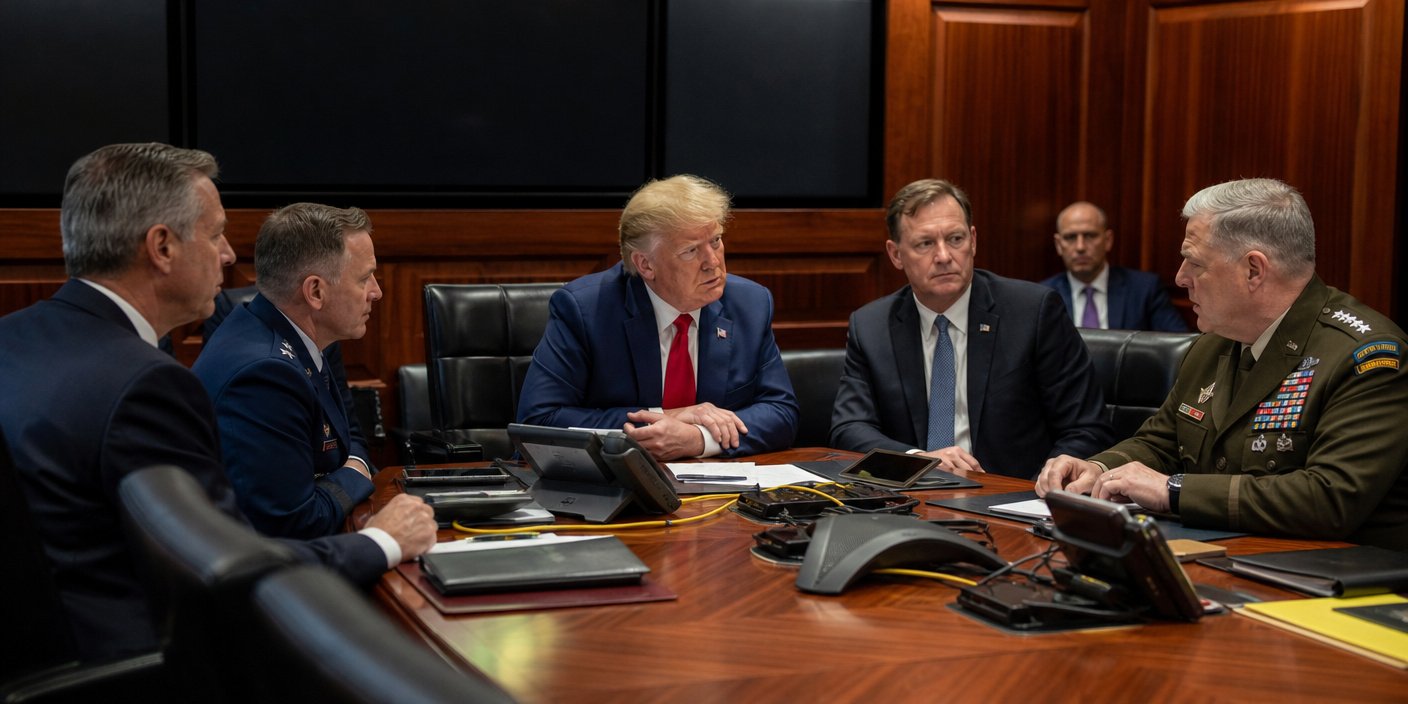
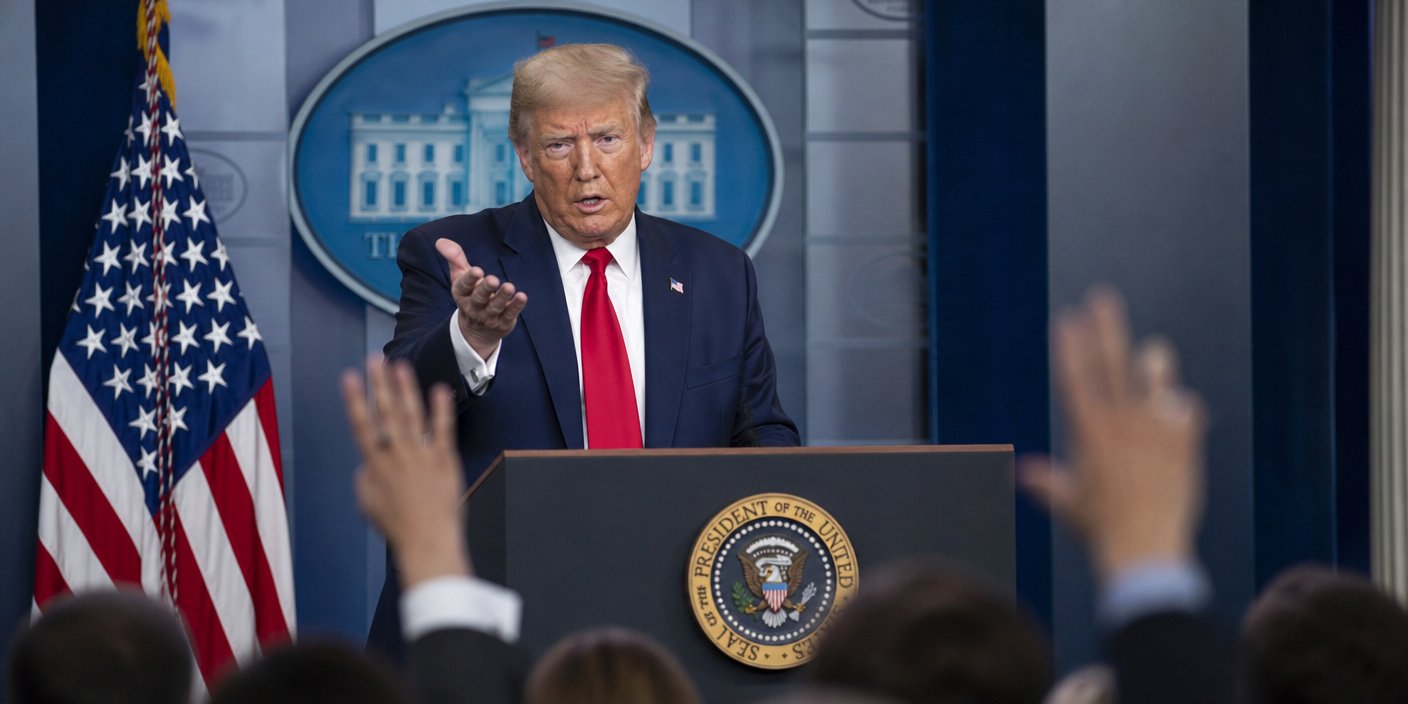
President Trump is aggressively advancing a proposed energy-focused ceasefire agreement between Russia and Ukraine, aiming to utilize energy market stabilization as the primary lever for ending the ongoing conflict. While the White House frames the initiative as a pragmatic path toward immediate de-escalation, the plan has encountered fierce bipartisan resistance on Capitol Hill. At the heart of the controversy is a specific provision within the ceasefire draft that would reportedly permit Russia to resume diesel exports to the United States—a move that legal experts and lawmakers warn would directly contravene the foundational spirit and letter of existing 2022 sanctions legislation.
The Diplomatic Gambit: Redefining Energy Diplomacy
The Trump administration’s strategy, often described by supporters as a ‘transactional peace,’ posits that global economic stability, specifically regarding energy, is the most effective currency for negotiation. By creating a framework where energy flows are restored in exchange for a cessation of hostilities, the White House hopes to lower global commodity prices and reduce the inflationary pressure that has plagued the U.S. economy. The core of this strategy involves a phased approach: first, a ceasefire focused on energy infrastructure, followed by broader geopolitical discussions.
However, this approach is fundamentally changing the calculus of the conflict. By prioritizing market fluidity over the total isolation of the Russian economy, the administration is signaling a departure from the multi-year strategy of economic strangulation. The proposal suggests that by reopening select trade channels, Russia would have a tangible economic incentive to maintain the ceasefire, rather than continuing the conflict.
The Diesel Dilemma: Navigating the 2022 Ban
The most acute point of friction in the current proposal is the specific exemption for Russian diesel. In the aftermath of the 2022 invasion of Ukraine, the United States, alongside several G7 partners, moved to effectively sever energy ties with Russia. This included rigorous legislative actions—such as the prohibition of Russian oil, liquefied natural gas, and coal imports—designed to cut off funding for the Russian war machine.
Critics point out that the 2022 legislation was not merely a symbolic gesture but a structural change to U.S. energy procurement. Permitting Russian diesel to enter American ports, even under a ‘ceasefire’ label, creates a complex legal and regulatory problem. Lawmakers argue that if the executive branch unilaterally waives these sanctions for the purpose of a ceasefire deal, it undermines the separation of powers and sets a dangerous precedent regarding the enforceability of Congressional acts. The energy sector is watching closely, as any sudden pivot could disrupt current supply chain efforts that have successfully transitioned the U.S. to non-Russian energy suppliers.
Bipartisan Resistance: Legal and Security Concerns


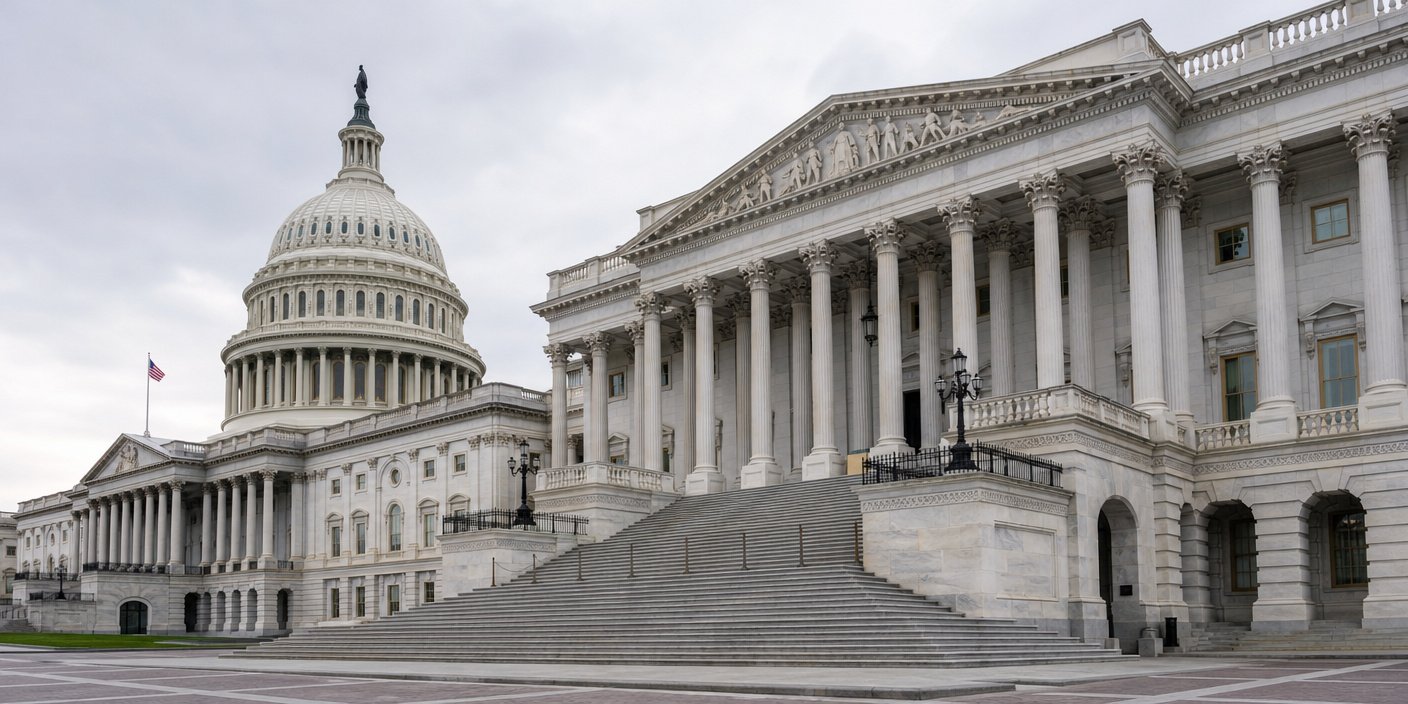

The pushback from the Senate has been swift and unusually unified. Key members of the Senate Committee on Energy and Natural Resources, from both sides of the aisle, have raised concerns that the provision is a ‘poison pill.’ The bipartisan critique centers on two pillars: national security and legislative integrity.
First, there is the security argument. Many senators contend that any reliance on Russian energy, regardless of the quantity, provides the Kremlin with leverage over U.S. domestic markets. They argue that the ceasefire could be temporary, while the restoration of trade routes could permanently re-entangle the U.S. with a hostile energy supplier.
Second, there is the issue of precedent. By attempting to bypass the 2022 import restrictions, the administration is effectively testing the limits of its executive power in foreign policy. Critics argue that even if the goal is peace, the method—violating specific, act-of-Congress trade bans—is unacceptable. This has led to a flurry of letters from congressional leadership demanding transparency on the draft agreement and a clarification of how the White House intends to reconcile these provisions with existing law.
Market Implications and Future Energy Security
Economists are divided on the market impact of such a move. Some analysts suggest that a return of Russian diesel to global markets would certainly exert downward pressure on prices, potentially offering relief to consumers at the pump ahead of an election cycle or fiscal period. Conversely, others warn of market volatility. If the ceasefire were to fail—a possibility many in the intelligence community highlight—the U.S. would find itself forced to abruptly snap back sanctions, creating a ‘boom-bust’ shock to energy supply chains.
The broader question remains: can energy be separated from the geopolitical conflict? The Trump administration clearly believes the answer is yes. By treating energy as a commodity to be managed rather than a weapon of war, they are attempting a radical pivot. However, as the legislative friction demonstrates, the U.S. political landscape is deeply resistant to any policy that appears to roll back the sanctions regime established in 2022. As discussions continue, the administration will need to decide whether the diesel provision is a hill they are willing to die on, or if it is a negotiable bargaining chip that they are prepared to trade away to appease an increasingly vocal Congress.
FAQ: People Also Ask
Q: What is the main conflict with Trump’s proposed ceasefire?
A: The conflict centers on a provision that would allow the resumption of Russian diesel exports to the U.S., which critics argue violates the 2022 legislation that banned Russian energy imports.
Q: Why do lawmakers oppose the diesel export provision?
A: Lawmakers from both parties argue it undermines national security, reduces U.S. leverage against Russia, and sets a precedent that the executive branch can override Congressional legislation on sanctions.
Q: How does the 2022 legislation impact this deal?
A: The 2022 legislation established clear legal prohibitions on the import of Russian energy products. Any deal that aims to bypass this requires a complex and likely controversial legal maneuver that the legislative branch is currently challenging.
Q: Is there an economic argument for the ceasefire?
A: Proponents argue that restoring energy flows could stabilize global prices and provide a strong incentive for Russia to adhere to the ceasefire terms, theoretically lowering inflation and market volatility.