The situation in the Middle East has reached a precarious inflection point. Following a devastating Houthi-led attack on a major Saudi Arabian airport that claimed the lives of at least 20 individuals—including a confirmed U.S. national—President Trump is actively weighing potential U.S. military strikes against targets in Yemen. This assault has triggered an immediate and indefinite closure of the facility, sending shockwaves through international aviation corridors and causing oil prices to surge to a two-week high.
Key Highlights
- Confirmed Casualties: At least 20 fatalities have been verified at the Saudi airport, with the State Department confirming one American citizen was among the victims.
- Operational Halt: The Saudi General Authority of Civil Aviation (GACA) has ordered the airport to remain closed indefinitely, disrupting regional travel and logistics.
- Economic Volatility: Global energy markets have reacted sharply, with Brent Crude futures reaching a two-week peak as investors factor in the risk of sustained instability in the Red Sea shipping lane.
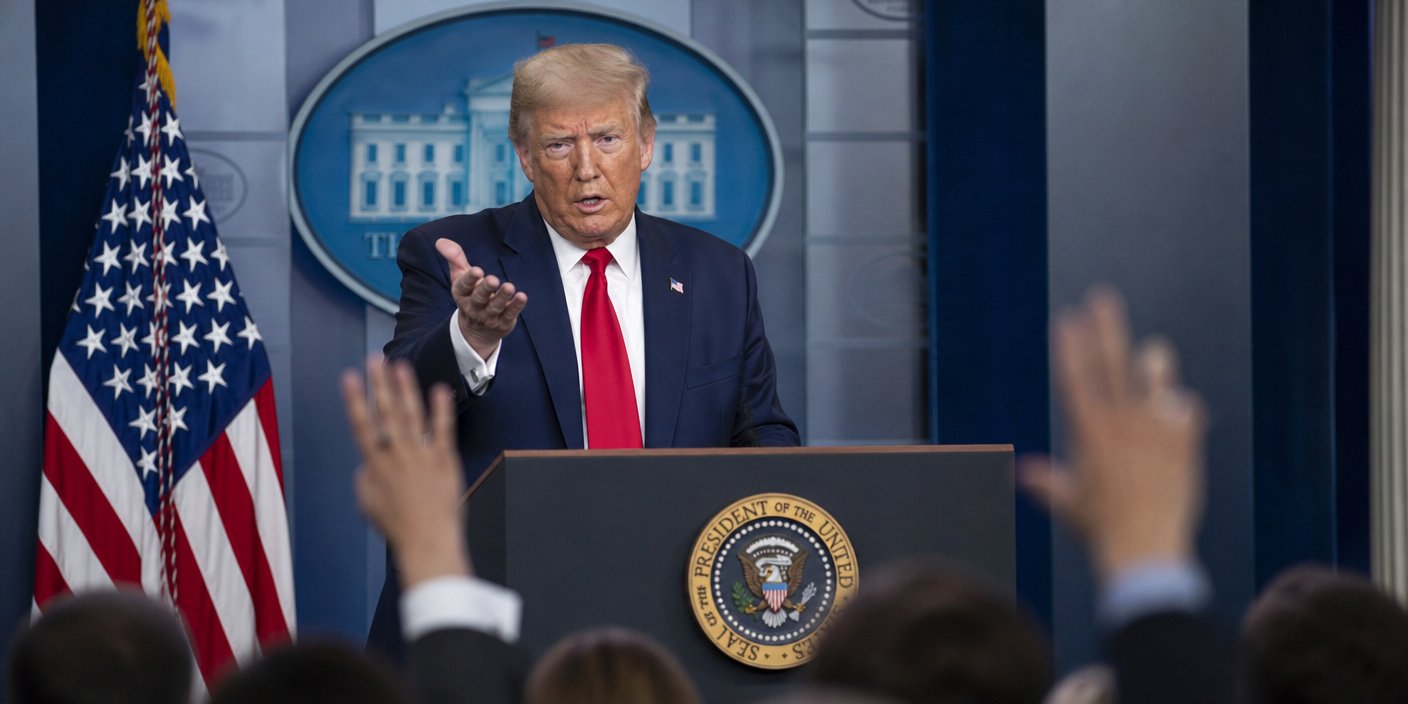
- Policy Shift: President Trump is currently convening with military advisors from U.S. Central Command (CENTCOM) to evaluate potential direct military retaliation against Houthi insurgent infrastructure within Yemen.
The Anatomy of an Escalation: Assessing the Saudi Airport Crisis
The attack on the Saudi airport represents a significant qualitative shift in the ongoing conflict involving Ansar Allah, commonly known as the Houthis. By targeting civilian infrastructure with lethal efficiency, the militants have moved beyond localized border skirmishes, effectively drawing the United States into a direct decision-making loop regarding military intervention. The intelligence community is currently analyzing the flight telemetry and debris to determine if this was a coordinated drone swarm or a long-range ballistic missile strike, as both weapon systems have been supplied to the group in recent years.
The Strategic Implication of the U.S. Casualty
The presence of a U.S. national among the deceased creates an immediate domestic and international pressure point for the Trump administration. Historically, the U.S. has provided logistical and intelligence support to the Saudi-led coalition, but has stopped short of sustained, direct offensive military operations on Yemeni soil. The loss of an American life changes the calculus of engagement. White House officials are signaling that the doctrine of protecting American citizens abroad will take precedence, necessitating a robust response to deter further aggression. The debate in the Situation Room currently focuses on whether to conduct surgical strikes against Houthi launch sites or to initiate a broader campaign to degrade the group’s command and control capabilities.
The Economic Shockwave: Oil Prices and Global Markets


The immediate rise in oil prices is a direct reflection of the market’s sensitivity to the proximity of the conflict to critical energy infrastructure. While the airport itself is a hub for civilian and logistics traffic, the Saudi oil industry—the heart of global supply stability—is perpetually on edge when hostilities flare in the region. Analysts are warning that a prolonged closure of the airport, coupled with uncertainty regarding the security of the Red Sea shipping corridor, could sustain this two-week price high. If market confidence in the security of Saudi energy exports wavers, the volatility could bleed into broader global equity markets, which are already grappling with inflationary pressures.
Historical Context: A Decade of Proxy Conflict
To understand the gravity of the current moment, one must look at the last decade of the Yemen conflict. Since 2014, the war has served as the primary theater for regional power projection between Saudi Arabia and its allies against forces backed by Iran. This conflict has been characterized by asymmetric warfare, where the Houthis have utilized increasingly sophisticated, Iranian-designed drone technology to strike deep inside Saudi territory. This latest incident, however, differs by its lethality and the target demographic, marking the first time in the current cycle of violence that a U.S. civilian has been confirmed dead in a targeted airport assault.
The Future of U.S. Engagement in the Red Sea
Looking ahead, the administration faces a classic geopolitical dilemma: the risk of entanglement versus the risk of inaction. If the U.S. chooses a path of direct military strikes, it must be prepared for a potential retaliation against other regional assets. However, if the administration chooses a diplomatic path, it risks emboldening the militants. Military analysts are predicting that the U.S. response will likely involve a multi-pronged approach, potentially utilizing maritime assets from the U.S. Fifth Fleet to increase patrols in the region while conducting localized, precision strikes against the specific weapon depots used in this attack.
Securing the Infrastructure
Beyond the military response, the Saudi government is under immense pressure to harden its civil aviation infrastructure. This requires not just better anti-missile defense systems like the Patriot and THAAD batteries, but a comprehensive review of airspace surveillance and early warning protocols. For the international business community, the closure of this airport represents a logistical bottleneck that could have ripple effects on supply chains that rely on the kingdom’s central geographic position for air freight.
FAQ: People Also Ask
Q: What is the current status of the affected Saudi airport?
A: The Saudi General Authority of Civil Aviation (GACA) has confirmed the airport remains closed to all commercial and cargo traffic indefinitely while security protocols are reassessed.
Q: How are oil prices being affected by this news?
A: Oil prices have hit a two-week high, driven by market anxiety over the potential for the conflict to spread to critical energy transport routes and the broader instability in the region.
Q: Is there an official U.S. response to the death of the U.S. national?
A: The White House has confirmed that President Trump is reviewing options for military strikes in Yemen, underscoring the severity with which the administration views the loss of an American life in this attack.
Q: Who is responsible for the attack?
A: The attack has been attributed to Houthi (Ansar Allah) forces, who have been engaged in a long-standing conflict against the Saudi-led coalition in Yemen.