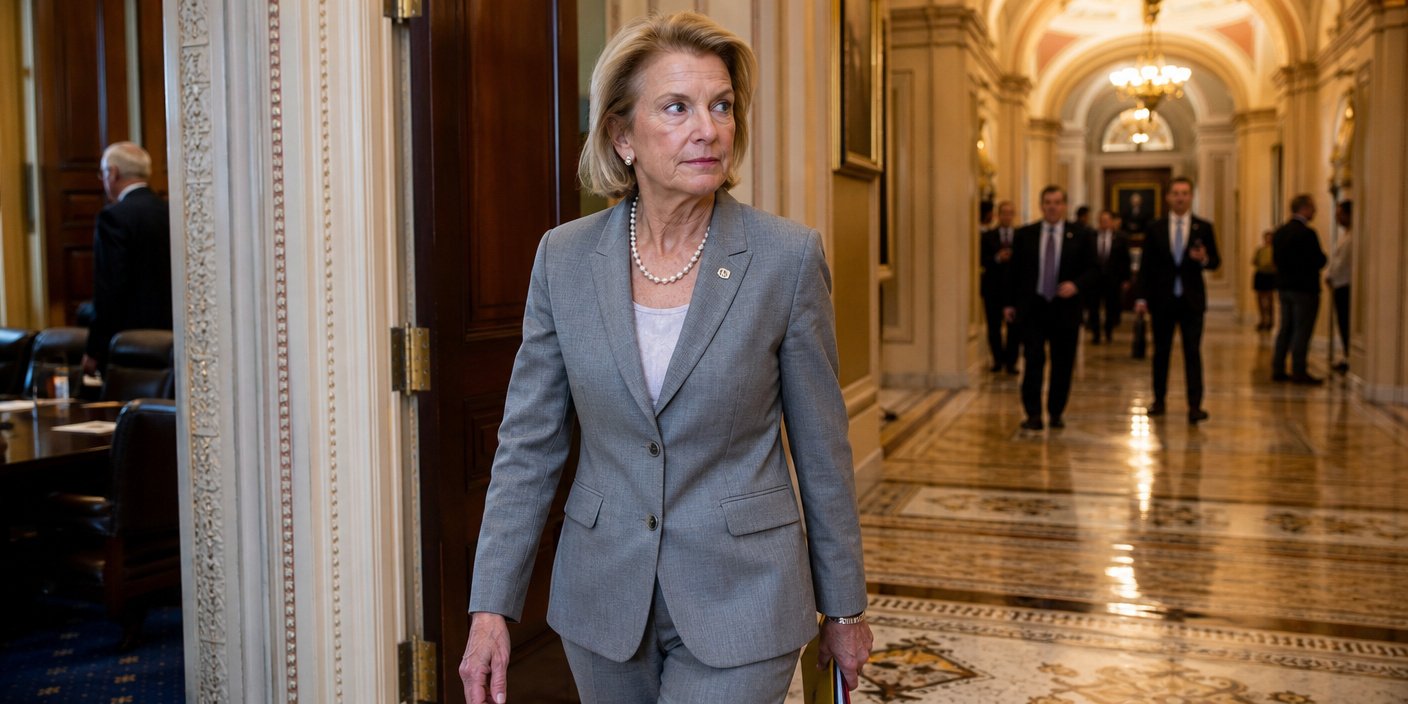
Karoline Leavitt, the high-profile former White House press secretary who concluded her service in the administration in August 2026, has officially transitioned into the private sector, securing a position as an on-air contributor for Fox News. The move marks a significant pivot from the daily intensity of the White House briefing room to the analytical, opinion-driven environment of cable news, a transition that has become a well-trodden path for top-tier political communications staff in Washington D.C.
Key Highlights
- New Role: Karoline Leavitt has been signed by Fox News to serve as an on-air contributor, providing analysis and commentary.
- Timeline: The move follows her departure from the White House press office in August 2026.
- Media Strategy: The appointment reflects Fox News’s broader strategy of recruiting individuals with deep, direct experience within the Trump administration to provide viewers with behind-the-scenes insights.
- Scope: Leavitt is expected to appear across various Fox platforms, offering perspective on administration policy, political strategy, and legislative developments.
The Professional Transition: From Podium to Studio
The Cable News Ecosystem and Political Talent
The landscape of American political media has long relied on the integration of former government officials to bridge the gap between policy implementation and public perception. By bringing Leavitt on board, Fox News is securing a voice that possesses an intimate understanding of the legislative and executive machinations of the recent administration. In the world of 24-hour news cycles, the value proposition of a former press secretary is immense: they bring not only name recognition but also the ability to synthesize complex political events into digestible, rapid-fire talking points for a national audience.
For Leavitt, the transition represents a shift from the role of a defender of the status quo to an analyst of current events. While the podium at the White House requires a strict adherence to the administration’s messaging, the role of a contributor offers a slightly broader latitude. It allows for the contextualization of policy, the framing of political debates, and the strategic breakdown of competing narratives—skills that are essential in a high-stakes, polarized media environment.
Historical Precedents in Political Media



The hiring of former press secretaries by major networks is not a new phenomenon, but it has become increasingly codified as a standard career evolution. Historically, communications directors and press secretaries often face a choice upon leaving office: enter the lucrative lobbying sector, join a strategic communications firm, or take a seat at the media table. Cable networks, recognizing the public’s craving for insider knowledge, have actively recruited these figures to bolster their political analysis teams. We have seen this with figures from both sides of the aisle, where the ‘revolving door’ between government communications and television journalism has effectively shortened the distance between political power and the newsroom.
Leavitt’s transition follows this established pipeline. However, her specific background—having served during a period of intense political volatility—adds a layer of anticipated weight to her appearances. Viewers can expect her commentary to focus on the operational realities of the executive branch, providing a grounded counterpoint to the broader punditry that often dominates daytime and prime-time segments.
Strategic Synergies for Fox News
From the perspective of Fox News, the decision to bring Leavitt into the fold is a calculated move to reinforce its political commentary bench. The network has consistently prioritized talent that resonates with a specific demographic of viewers who value authenticity and direct experience over theoretical policy analysis. By hiring an individual who has stood at the center of the political storm, the network ensures that its coverage is bolstered by a source who has been present for the critical decision-making moments of the era.
This synergy works two ways. For the network, it enhances their branding as a destination for top-tier political insight. For Leavitt, it provides a powerful platform to remain relevant in the national conversation, essentially maintaining a voice in the political sphere without the constraints of a government payroll. It is a mutually beneficial arrangement that reinforces the current media landscape’s trend toward ‘insider’ journalism.
Future Implications for Political Discourse
The inclusion of voices like Leavitt’s in the mainstream media ecosystem signals a continued trend toward specialized, experience-based commentary. As the public becomes more skeptical of detached analysis, the demand for contributors who ‘know how the sausage is made’ is likely to increase. Leavitt’s upcoming appearances will be closely watched, not just for the content of her analysis, but as a bellwether for how former administration officials will continue to shape the political discourse in the coming years. Whether her commentary leans into specific policy defenses or adopts a broader analytical lens will ultimately define her tenure as a broadcaster.
FAQ: People Also Ask
1. What does an ‘on-air contributor’ actually do at a network like Fox News?
An on-air contributor typically appears on various programs to provide analysis, commentary, and insight on current events. Unlike a reporter who focuses on gathering breaking news, a contributor is hired for their expertise, experience, and ability to frame the news through a specific professional lens.
2. Is it common for political press secretaries to join media networks?
Yes, it is a very common career transition. Many former press secretaries and high-level communications aides from both Democratic and Republican administrations have moved into roles as network contributors, authors, or political consultants immediately after leaving public office.
3. Will Leavitt’s hiring change the focus of Fox News’s political coverage?
While one hire rarely shifts a network’s entire editorial direction, it does signal a commitment to deepening the bench of voices who have firsthand experience with executive branch operations. It allows the network to offer more granular analysis of administrative and legislative processes.