The U.S. administration is actively weighing the implementation of an indefinite naval blockade of the Strait of Hormuz, a critical maritime chokepoint, as tensions with Iran reach a precipice. Following the complete collapse of ceasefire negotiations and a sustained pattern of vessel harassment in the Persian Gulf, Washington is signaling a shift toward unprecedented economic isolation strategies. This move, aimed at curbing regional instability, threatens to choke off the transit of approximately 20% of the world’s daily petroleum consumption, setting the stage for a massive inflationary shock to global energy markets.
Key Highlights
- Chokepoint Volatility: The Strait of Hormuz remains the world’s most vital oil transit corridor; any blockade directly threatens a significant portion of daily global oil supply.
- Diplomatic Vacuum: The total breakdown of recent ceasefire talks has left the U.S. with few remaining levers, forcing a pivot to ‘maximum pressure’ naval positioning.
- Economic Escalation: Analysts warn that an indefinite blockade would trigger immediate spikes in maritime insurance premiums (Lloyd’s of London) and global crude benchmarks.
- Military Stance: The U.S. Fifth Fleet is reinforcing its operational presence in the region, shifting from escort-centric tactics to a broader containment posture.
The Strait of Hormuz: A Strategic Gamble and Global Oil Risk
The Failure of Diplomacy and the Military Pivot
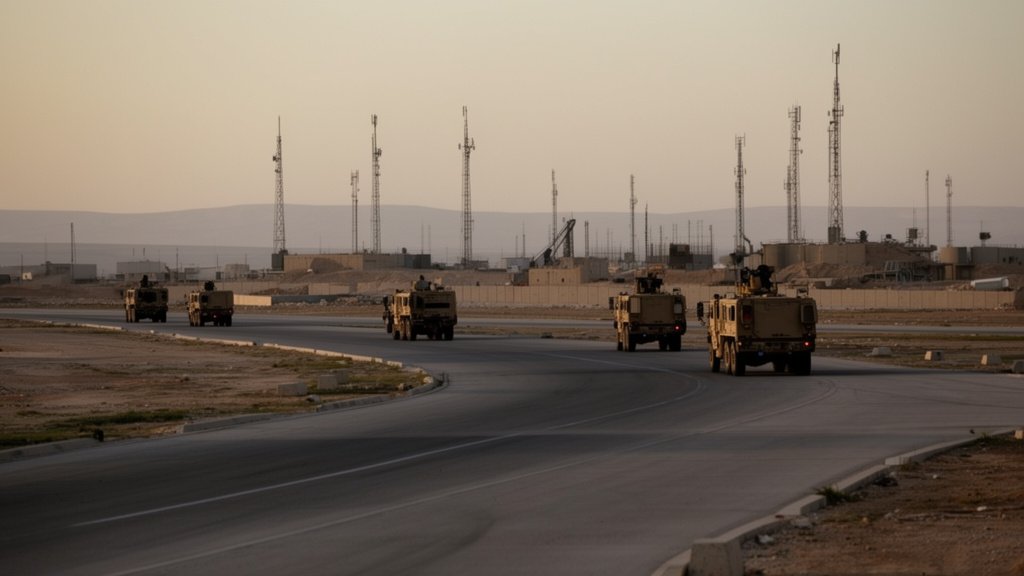
The shift toward a blockade scenario is not a sudden development but the culmination of months of deteriorating relations between Tehran and Washington. High-level ceasefire negotiations, aimed at de-escalating the frequency of vessel seizures and attacks on commercial shipping, have officially stalled. Officials within the U.S. administration confirm that the lack of progress in these talks has rendered traditional deterrence measures ineffective. The U.S. Central Command (CENTCOM) is currently adjusting its operational doctrine, preparing for a scenario where the Strait of Hormuz—the narrow waterway between Oman and Iran—is brought under strict, indefinite naval surveillance and de facto control. This strategy represents a significant escalation, transitioning from defensive escort missions to an active denial-of-service capability against Iranian naval assets.
Economic Shockwaves: Beyond the Pump



The global economy is acutely vulnerable to the security of the Strait of Hormuz. Through this 21-mile-wide passage flows a daily average of 21 million barrels of oil, accounting for roughly one-fifth of global demand. A sustained U.S. naval blockade would not merely inconvenience regional players; it would act as a massive supply-side shock to the global energy market. Futures markets are already reacting to the rhetoric, with analysts at major investment firms forecasting a surge in WTI and Brent crude benchmarks if access to the strait is even partially restricted. Beyond the raw cost of fuel, the secondary impacts on the maritime insurance industry cannot be overstated. War-risk premiums, which have already seen erratic jumps, would likely skyrocket to levels that make commercial shipping through the Persian Gulf economically prohibitive for independent tankers, further tightening the global supply leash.
The Doctrine of Economic Isolation
The U.S. strategy of ‘unprecedented economic isolation’ for Iran is designed to leverage the country’s dependency on oil revenues to force a change in regional conduct. By creating a physical and digital ‘wall’ in the Gulf, the U.S. seeks to neutralize the Islamic Revolutionary Guard Corps (IRGC) ability to influence global energy prices through asymmetric warfare. However, this strategy carries the inherent risk of miscalculation. Historical data suggests that maritime blockades often lead to accidental kinetic engagement between naval forces and commercial entities. Washington’s allies, particularly in Europe and East Asia, are watching closely, as the economic fallout of such a blockade would disproportionately affect nations that rely on Iranian and Gulf-sourced energy to fuel their manufacturing sectors. The geopolitical consensus, or lack thereof, regarding this potential blockade will be the decisive factor in whether the region enters a prolonged period of suppressed trade or an outright conflict.
Three Secondary Angles: Analyzing the Fallout
1. The Insurance Paradox: As military posturing increases, the maritime insurance sector enters a high-risk cycle. The cost to insure tankers moving through the Strait of Hormuz has historically acted as a ‘tax’ on global commerce. An indefinite blockade could force Lloyd’s of London and other major insurers to suspend coverage for the region entirely, effectively halting commercial oil exports regardless of whether military assets are active.
2. The China-Iran Nexus: China remains the largest consumer of Iranian oil. A U.S.-led blockade places Beijing in a precarious position. Will China attempt to break the blockade using its own naval escorts, or will it comply with Western sanctions to maintain access to broader global banking systems? This creates a unique pressure point that could test the limits of the Sino-American trade relationship.
3. Technological Warfare and Surveillance: The modern blockade is not just about ships; it is about data. The use of long-range surveillance, satellite imagery, and AI-driven predictive modeling by the U.S. Fifth Fleet creates a ‘digital blockade’ before physical ships are even deployed. The integration of these technologies into the blockade strategy represents a new frontier in naval warfare.
FAQ: People Also Ask
Q: How much of the world’s oil flows through the Strait of Hormuz?
A: Approximately 20% to 30% of the world’s total petroleum consumption passes through this strait daily. It is considered the most significant oil chokepoint on the planet.
Q: What would a U.S. naval blockade mean for global gas prices?
A: A blockade would likely lead to immediate and sharp volatility in global oil benchmarks, which would translate into significant increases in gasoline and diesel prices for consumers worldwide as supply chains tighten.
Q: Why have ceasefire negotiations failed?
A: Ceasefire talks have collapsed due to conflicting demands regarding the release of detained vessels, the cessation of support for regional proxies, and broader disagreements over nuclear proliferation transparency, leaving both sides without a middle ground.
Q: What is the risk of full-scale conflict?
A: The risk is elevated. A naval blockade is historically viewed as an act of war or a prelude to it. The primary danger lies in a tactical miscalculation—an accidental skirmish between U.S. and Iranian vessels that spirals into a broader regional military confrontation.