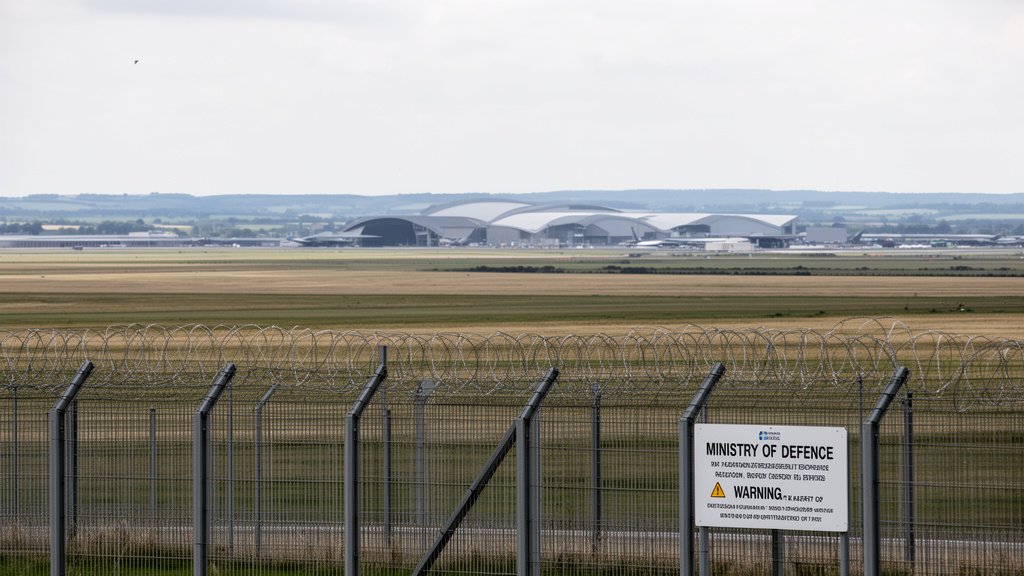
The United States military has formally concluded its extensive mission in Iraq, marking the end of a 23-year period of engagement that has fundamentally shaped the modern Middle East. The definitive final withdrawal occurred today at the Erbil Air Base, a pivotal site in the Kurdistan region that served as a critical node for coalition forces. This operation, characterized by a complex logistical handover, signals a tectonic shift in U.S. defense policy, as the responsibility for ongoing counter-ISIS initiatives and regional security is officially transferred to the Iraqi government and its localized security forces.
Key Highlights
- Formal Conclusion: The U.S. has finalized its mission in Iraq, with the complete evacuation of Erbil Air Base serving as the symbolic and operational end of the two-decade deployment.
- Logistical Transition: Control of the remaining military facilities and counter-terrorism infrastructure has been transitioned to the Iraqi government, requiring intense coordination between the U.S. Department of Defense and regional Iraqi authorities.
- 23-Year Arc: This withdrawal ends a presence that began in 2003, encompassing the original invasion, the subsequent occupation, the transition to advisory roles, and the multi-year battle against the Islamic State (ISIS).
- Future Security Posture: While the U.S. footprint is removed, security cooperation remains, with the onus now on Iraqi security apparatuses to maintain stability against militant resurgence without direct U.S. combat support.
A Pivot in Regional Defense Strategy
The evacuation of Erbil Air Base represents far more than a tactical repositioning; it is the culmination of a decade-long strategic pivot away from large-scale, boots-on-the-ground stabilization operations. Following the rise of ISIS in 2014, U.S. military strategy was centered on a ‘by, with, and through’ approach, relying heavily on local Iraqi and Kurdish partners to bear the brunt of the fighting while American forces provided air support, intelligence, and logistical training.
With the final departure from Erbil, the U.S. is signaling a definitive end to this era of embedded advisory presence. Pentagon officials have framed this move as a natural progression of Iraqi sovereignty. The Iraqi government has been vocal about its desire to move toward a model of bilateral military cooperation rather than a framework of foreign occupation. This withdrawal is the physical realization of those diplomatic demands, shifting the primary burden of intelligence gathering and drone operations to the Iraqi Ministry of Defense.
Tactical Logistics: The Final Handover at Erbil
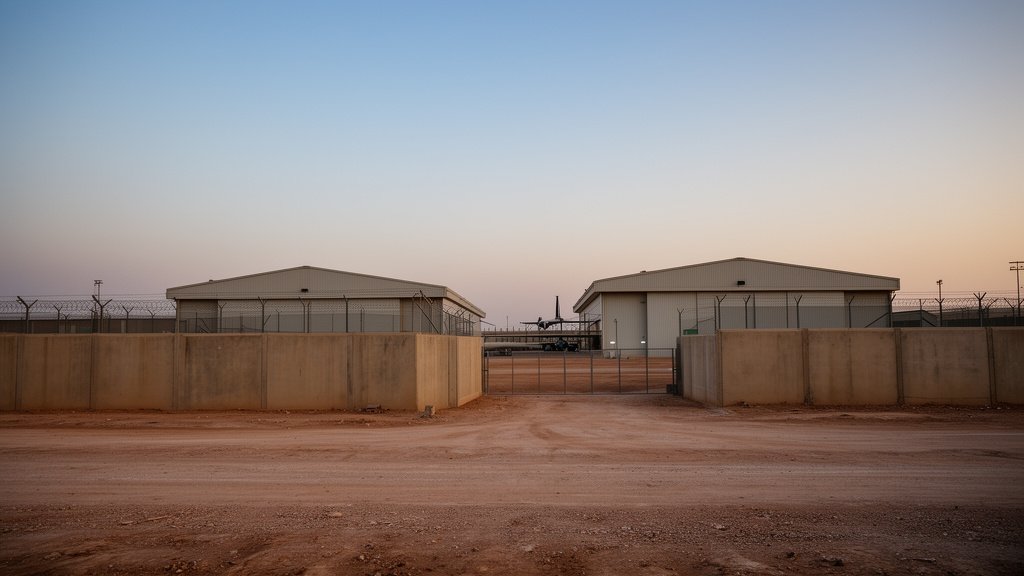
The closing of Erbil Air Base was a highly choreographed maneuver. Operations began weeks prior, with the dismantling of sensitive equipment and the secure transport of non-essential personnel. The base, which housed a mix of U.S. special operations forces and administrative staff, required a systematic handover of infrastructure that included specialized communication arrays, radar systems, and defensive fortifications.
Ground truth reports indicate that the transfer included not just the physical real estate, but a significant portion of the non-sensitive equipment and training facilities necessary for the Iraqi Counter-Terrorism Service (ICTS) to operate independently. Engineers and logistical specialists worked around the clock to ensure that the transition did not leave a security vacuum, which has historically been a concern in previous U.S. withdrawals. The final convoy departed the tarmac under the cover of a coordinated security detail, marking the last American presence in the Kurdish-governed territory.
Historical Context: Two Decades of Strategic Shifts



The narrative of U.S. involvement in Iraq is long and complex, spanning across multiple presidencies and varying geopolitical realities. From the initial 2003 invasion, which sought to dismantle a regime, to the mid-2000s insurgency, and eventually the 2014-2026 period focused primarily on counter-insurgency and counter-terrorism, the mission changed drastically.
Historically, the presence in Erbil was unique. Unlike bases in southern or central Iraq, the Kurdistan region provided a more stable environment, serving as a launchpad for operations throughout the north. The withdrawal from this specific location is particularly poignant because it marks the severance of the final, most reliable, and arguably most strategic anchor point for the U.S. in the country. Military historians will likely view this event as the bookend to the ‘War on Terror’ era of expeditionary warfare, contrasting sharply with the initial influx of forces in the early 2000s.
The Security Vacuum and Iraqi Sovereignty
A central question remains: how will the Iraqi government manage the enduring threat of ISIS cells that remain active in the rural corridors of the country? The U.S. withdrawal is predicated on the assessment that Iraqi security forces (ISF) have reached a ‘sufficient state of maturity.’ This maturity is being tested in real-time. Without the intelligence-sharing capacity and the rapid-response air support of the U.S., the ISF must rely on its internal resources, which have been bolstered by years of coalition training.
Critics of the withdrawal argue that the presence of U.S. forces served as a psychological deterrent to regional adversaries and extremist groups. By removing that anchor, some analysts predict a surge in regional proxy conflicts, particularly involving militias that have long opposed the U.S. presence. Conversely, the Iraqi government maintains that the presence of foreign troops was a ‘magnet’ for regional instability, and that the departure of these forces is the final step toward true national self-determination.
Future Regional Cooperation Models
While this signifies the end of the combat and advisory mission, it does not necessarily imply a total severance of military-to-military ties. The U.S. and Iraq are expected to continue a relationship focused on conventional security cooperation, likely centered on defense sales, border security technology, and joint training exercises conducted outside of Iraqi territory. The model is shifting from an ‘occupying partner’ to a ‘traditional ally,’ similar to the diplomatic relationships the U.S. maintains with other nations in the region. This transition is essential for the long-term viability of the Baghdad government, which must now balance its internal factions with the need for external investment and modernization of its military capabilities.
FAQ: People Also Ask
Q: What happens to the military equipment left behind at Erbil?
A: Most of the equipment, including structural defensive installations and non-classified base infrastructure, has been formally transferred to the Iraqi government. Sensitive assets, communications hardware, and specialized technology were extracted by the U.S. prior to the final turnover.
Q: Is this a total withdrawal from the Middle East?
A: No. While the U.S. mission in Iraq has concluded with this withdrawal, the U.S. maintains a robust military presence in other parts of the region, including bases in Qatar, Kuwait, and the UAE, which continue to host central command and air assets.
Q: How does this affect the fight against ISIS?
A: The mission to counter ISIS now shifts entirely to the Iraqi Security Forces. The U.S. will no longer provide direct combat support or advisory presence on the ground, shifting instead to potentially remote intelligence sharing and sovereign-to-sovereign cooperation protocols.
Q: Was this withdrawal triggered by a specific event?
A: No, the withdrawal is the result of long-standing negotiations between the U.S. and Iraqi governments regarding the transition of security responsibilities and the formal end of the U.S.-led coalition mandate in the country.