Senate Republicans are asserting their right to a voice in any potential new Iran nuclear deal, signaling a united front against the Biden administration’s diplomatic efforts.
Key Highlights:
- Republican senators are emphasizing the need for Senate consultation on any Iran deal.
- They are drawing parallels to the previous administration’s approach to the JCPOA.
- Concerns are being raised about transparency and oversight of the negotiations.
- The GOP aims to prevent a situation where the Senate feels bypassed, as they did under the Obama administration.
GOP Senators Push for Iran Deal Oversight
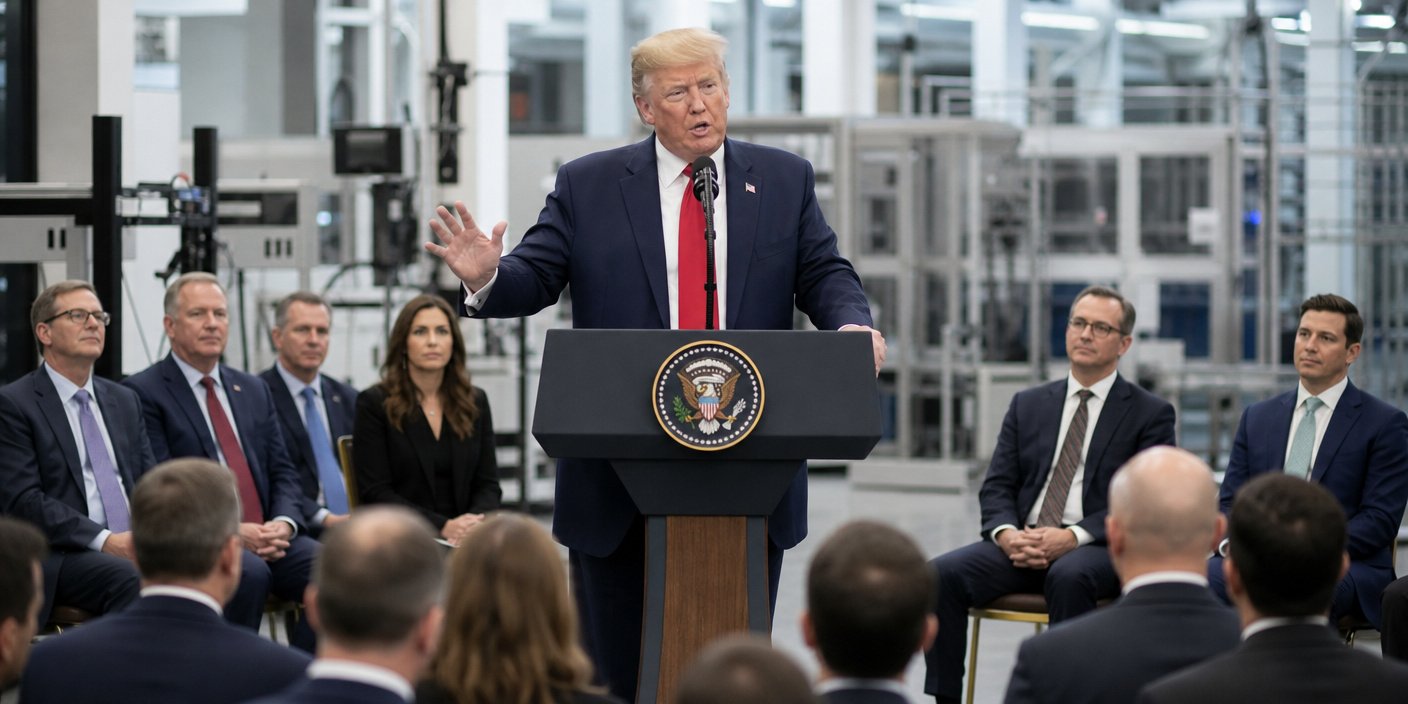
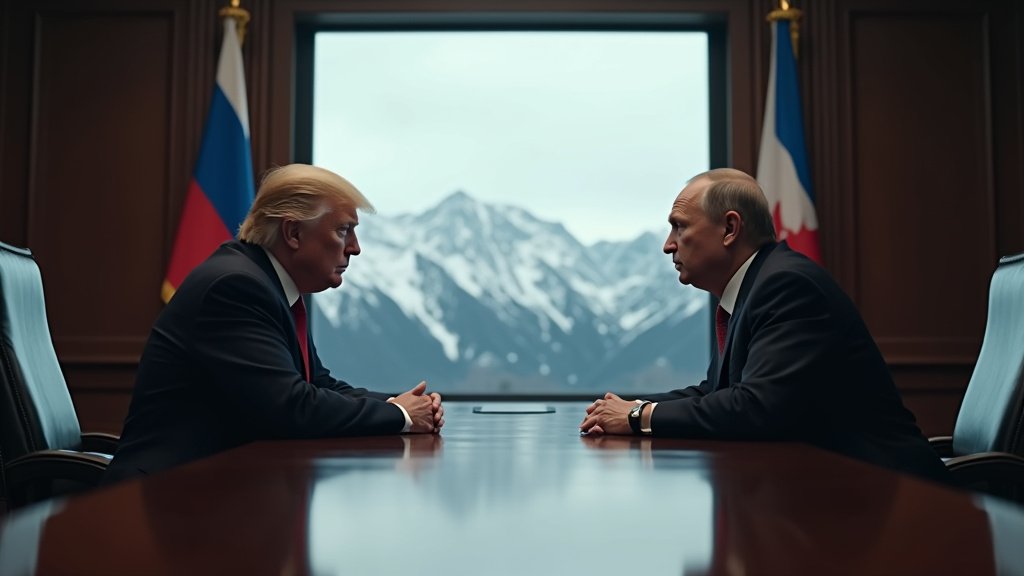
The push from Senate Republicans to have a say in the ongoing negotiations surrounding Iran’s nuclear program underscores a deep-seated concern about foreign policy prerogatives and the balance of power between the executive and legislative branches. Led by figures such as Senator Jim Risch, the ranking member of the Senate Foreign Relations Committee, a significant number of Republican senators have been vocal in their demands. They are not merely asking for a seat at the table but are actively seeking assurances that any agreement reached will be subject to proper Senate review and consultation. This stance is rooted in the contentious history of the Joint Comprehensive Plan of Action (JCPOA), commonly known as the Iran nuclear deal, negotiated under the Obama administration.
Echoes of the JCPOA Debate
Many Republicans recall the intense debates and criticisms surrounding the original JCPOA. They argue that the Senate was not given adequate opportunity to scrutinize the deal, leading to significant opposition. This time around, they are determined to avoid a repeat scenario. Senator Risch has been particularly assertive, stating that “the Senate must be involved in any agreement with Iran.” This sentiment is echoed by other key Republican figures who believe that major international agreements, especially those concerning national security and foreign relations, require robust congressional input. The core of their argument lies in the constitutional role of the Senate in advising and consenting to treaties, though the nature of the current diplomatic engagement with Iran – potentially not a formal treaty – complicates this direct application. Nevertheless, they are using political pressure and public statements to influence the process.
Transparency and Accountability Concerns
Beyond the procedural demands, the Republicans are also raising substantive concerns about the potential terms of a new agreement and the transparency of the current diplomatic process. They question whether the Biden administration is fully disclosing its negotiating positions and red lines. The history of Iran’s nuclear program, marked by periods of clandestine activity and international suspicion, fuels these anxieties. Senators are calling for greater clarity on what concessions the U.S. is prepared to make and what assurances Iran has provided regarding its nuclear activities. The focus is on ensuring that any deal effectively prevents Iran from developing nuclear weapons while also addressing other destabilizing behaviors, such as its ballistic missile program and support for regional proxies. The lack of direct, high-level engagement from the Biden administration with Senate leadership on this issue has further intensified the GOP’s skepticism.
Broader Geopolitical Implications
The Republican insistence on Senate involvement also reflects broader strategic considerations regarding U.S. foreign policy in the Middle East. A new Iran deal could have significant ramifications for regional stability, impacting relationships with allies like Israel and Saudi Arabia, as well as the ongoing efforts to counter Iran’s influence. By demanding a say, Senate Republicans aim to shape a policy that aligns with their broader geopolitical vision, which often prioritizes a tougher stance against Iran. They are also keenly aware of the political leverage they possess, particularly in a closely divided Senate, where their unified opposition could present significant obstacles for the administration’s diplomatic agenda. This situation highlights the inherent tension between the executive branch’s power to conduct foreign policy and the legislative branch’s oversight responsibilities, a dynamic that is particularly acute when dealing with a country like Iran.
FAQ: People Also Ask
What is the JCPOA?
The Joint Comprehensive Plan of Action (JCPOA) was an agreement on Iran’s nuclear program reached in 2015 between Iran and the P5+1 countries (China, France, Germany, Russia, the United Kingdom, the United States, plus the European Union). It aimed to limit Iran’s ability to develop nuclear weapons in exchange for sanctions relief.
Why are Senate Republicans concerned about the Iran deal?
Senate Republicans are concerned that the Biden administration might reach a new agreement with Iran without adequate consultation or input from the Senate. They cite past experiences with the JCPOA, where they felt their role was marginalized, and seek to ensure greater transparency and oversight in current negotiations.
What is the role of the Senate in foreign agreements?
The U.S. Constitution grants the Senate the power to provide