The House of Representatives has passed a significant immigration enforcement bill, authorizing $70 billion for border security measures. The legislation now proceeds to President Trump’s desk for his consideration.
Key Highlights:
- $70 billion allocated for enhanced immigration enforcement.
- The bill passed the House and is awaiting presidential action.
- Focus on strengthening border security.
Border Security Bill Advances Amidst Political Debate
The $70 billion immigration enforcement bill represents a substantial investment in border security, a topic that has dominated political discourse. The legislation, which successfully navigated the House of Representatives, aims to bolster defenses and streamline enforcement protocols. Its passage signifies a key development in the ongoing efforts to address immigration challenges at the nation’s borders.
Legislative Journey and Key Provisions



The bill’s journey through the House was marked by intense debate, reflecting the complex and often contentious nature of immigration policy. The core of the legislation focuses on providing resources for increased personnel, advanced surveillance technology, and physical barriers along the border. Proponents argue that these measures are essential for national security and for managing the flow of undocumented immigration. Critics, however, have raised concerns about the bill’s cost and its potential impact on asylum seekers and humanitarian concerns.
Economic and Security Implications
The allocation of $70 billion carries significant economic implications, not only in terms of immediate spending but also for long-term infrastructure and operational costs. Economists are analyzing the potential effects on federal budgets and whether the investment will yield the desired security outcomes. The debate also touches upon the efficacy of different enforcement strategies, with discussions ranging from traditional methods to the integration of advanced technological solutions. The bill’s proponents believe that the investment will lead to a more controlled and secure border, while opponents question the return on investment and the potential for unintended consequences.
Political Landscape and Presidential Action
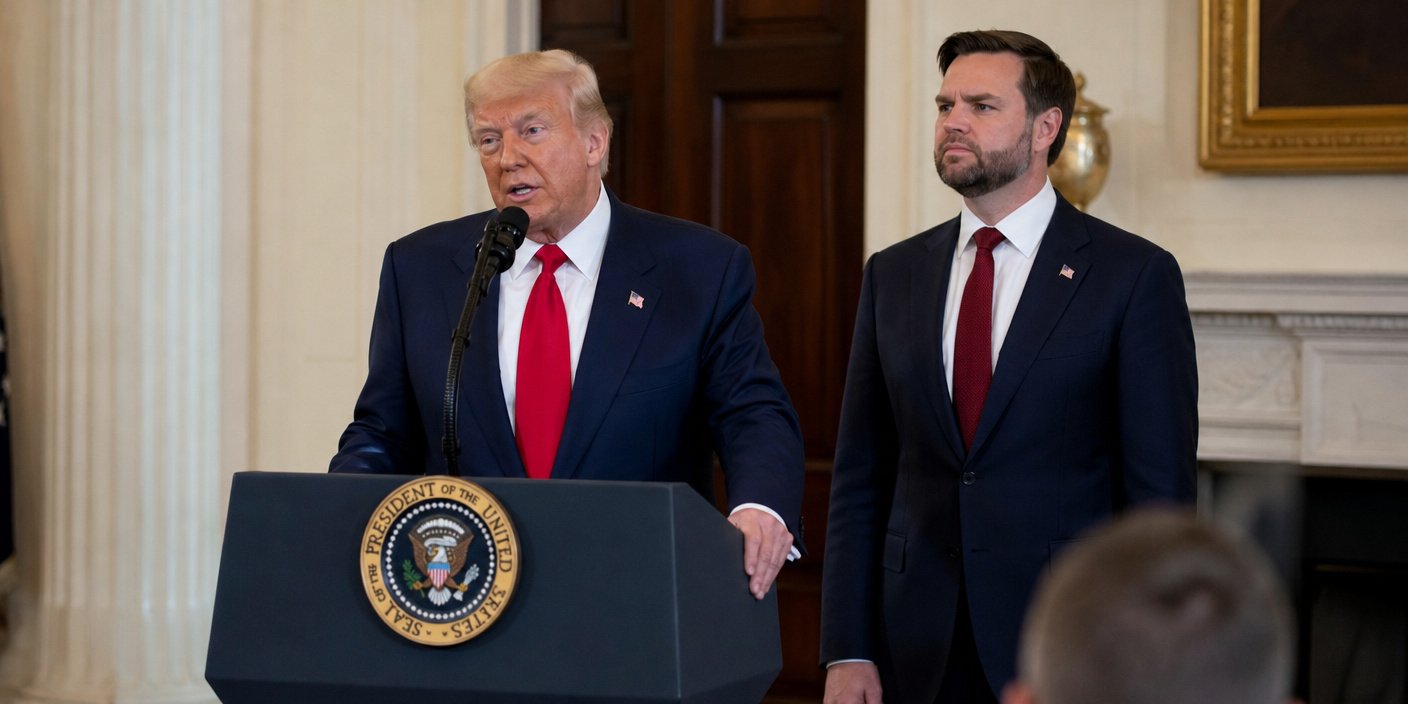
The bill’s arrival at President Trump’s desk places the decision firmly in his hands. Given his administration’s strong stance on border security, the bill is likely to receive careful consideration. The president’s signature would signal a significant policy win and a commitment to a more stringent approach to immigration enforcement. Conversely, any presidential veto or significant amendments could reignite the legislative battle and highlight the persistent divisions on this issue. The political ramifications extend beyond the immediate passage, influencing future policy debates and electoral strategies.
Potential Impact on Immigration Flows
Beyond the immediate legislative and political machinations, the bill’s ultimate impact on immigration flows remains a subject of speculation. Supporters anticipate a significant reduction in undocumented crossings, while others suggest that such measures may only redirect migration patterns or fail to address the root causes of migration. The effectiveness of the implemented measures will be a critical factor in shaping future immigration policies and public perception.
FAQ: People Also Ask
What is the total amount allocated for immigration enforcement in the bill?
The bill allocates a total of $70 billion for immigration enforcement measures.
Which legislative body passed the bill before it went to the President?
The House of Representatives passed the bill.
What are the primary goals of the bill?
The primary goals of the bill are to enhance border security and strengthen immigration enforcement protocols.
What are some of the key provisions in the bill?
Key provisions include funding for increased personnel, advanced surveillance technology, and physical border barriers.