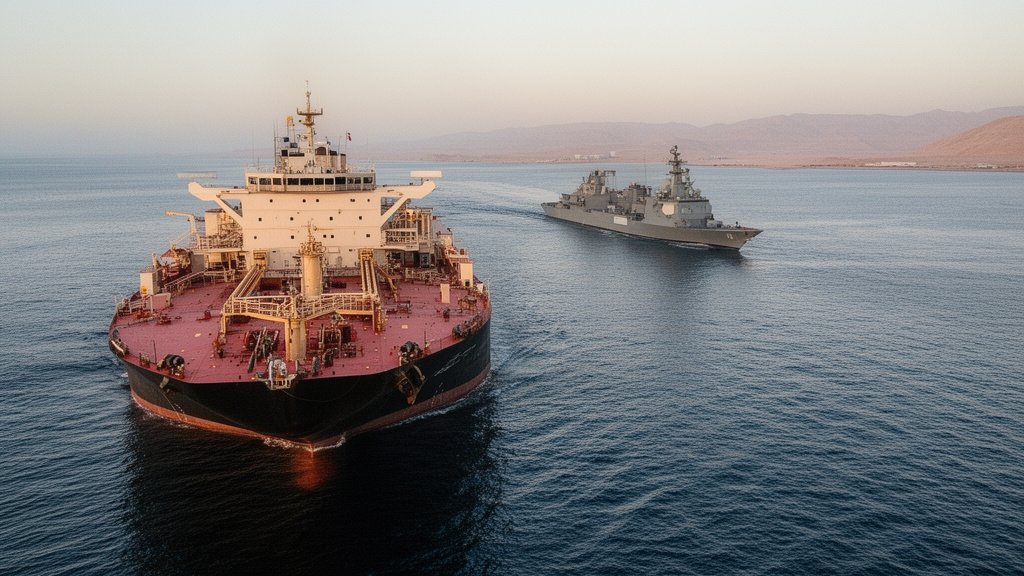
In a significant escalation, Iran and Israel have reportedly exchanged direct attacks, marking the first such incident since a fragile ceasefire in the prolonged West Asia war took hold two months ago. The precise nature and extent of the strikes remain under investigation, but the development shatters the relative calm that had settled over the region, raising fears of a wider conflict.
Key Highlights:
- First direct exchange of attacks between Iran and Israel since a recent ceasefire.
- Raises significant concerns about regional stability and potential for broader escalation.
- International community closely monitoring the situation for de-escalation efforts.
- Full details of the strikes and their immediate aftermath are still emerging.
Escalation Amidst Strained Truce
The exchange, which reportedly occurred on Monday, represents a stark departure from the de-escalation efforts that had been underway. For weeks, a tentative ceasefire had offered a glimmer of hope for respite in the war-torn West Asia. However, this latest development shatters that fragile peace, plunging the region back into a state of heightened tension. The specific targets and consequences of these attacks are still being assessed, but the implications for regional security are immediate and profound. Both nations possess significant military capabilities, and any sustained conflict could have devastating consequences, not only for the immediate belligerents but for global energy markets and international stability.
Geopolitical Ramifications


The international community has responded with a mixture of alarm and calls for restraint. Diplomats are reportedly engaged in urgent consultations to prevent further escalation. The United Nations and key global powers have urged both Iran and Israel to exercise maximum restraint and pursue dialogue to de-escalate the situation. The West Asia region has been a tinderbox for decades, and this latest flare-up risks reigniting proxy conflicts and further destabilizing already fragile states. The economic repercussions could also be severe, with potential impacts on oil prices and global supply chains.
Historical Context and Precedents
This incident is not occurring in a vacuum. The animosity between Israel and Iran is deep-seated, with a long history of covert actions, cyber warfare, and proxy conflicts. However, direct state-on-state attacks are a significant escalation. Previous periods of heightened tension have seen both nations engage in actions that threatened to spill over into open warfare, often involving actions against each other’s interests in third countries or through allied militias. The current event appears to mark a critical juncture, potentially shifting the dynamics of their long-standing rivalry.
Analysis of Potential Triggers
While the immediate triggers for Monday’s attacks are not yet clear, analysts are pointing to several potential factors. These could include intelligence assessments, perceived threats, internal political pressures within either nation, or a deliberate attempt to alter the regional balance of power. The timing, so soon after a ceasefire, suggests a potential breakdown in communication channels or a calculated move by one or both parties to test boundaries and assert dominance. Understanding the precise motivations will be crucial in predicting the future trajectory of this crisis.
FAQ: People Also Ask
What is the West Asia war?
The West Asia war refers to the ongoing, multi-faceted conflict in the Middle East, often involving various state and non-state actors. While the term can be broad, it commonly encompasses conflicts such as the Israeli-Palestinian conflict and broader regional tensions involving countries like Iran, Syria, and Lebanon.
What is a ceasefire?
A ceasefire is an agreement between warring parties to stop fighting for a certain period or indefinitely. It is a crucial step towards potentially resolving conflicts but does not necessarily mean peace has been achieved.
What are the main concerns following direct attacks between Iran and Israel?
Direct attacks between Iran and Israel raise serious concerns about a broader regional war, potential disruption of global oil supplies, increased geopolitical instability, and a heightened risk of escalation involving other regional or global powers.
Has there been direct military engagement between Israel and Iran before?
While both nations have been engaged in a shadow war for years through proxy groups and covert operations, direct, acknowledged military strikes between the two states have been rare and highly significant when they have occurred. This event is notable for being the first since a recent ceasefire.