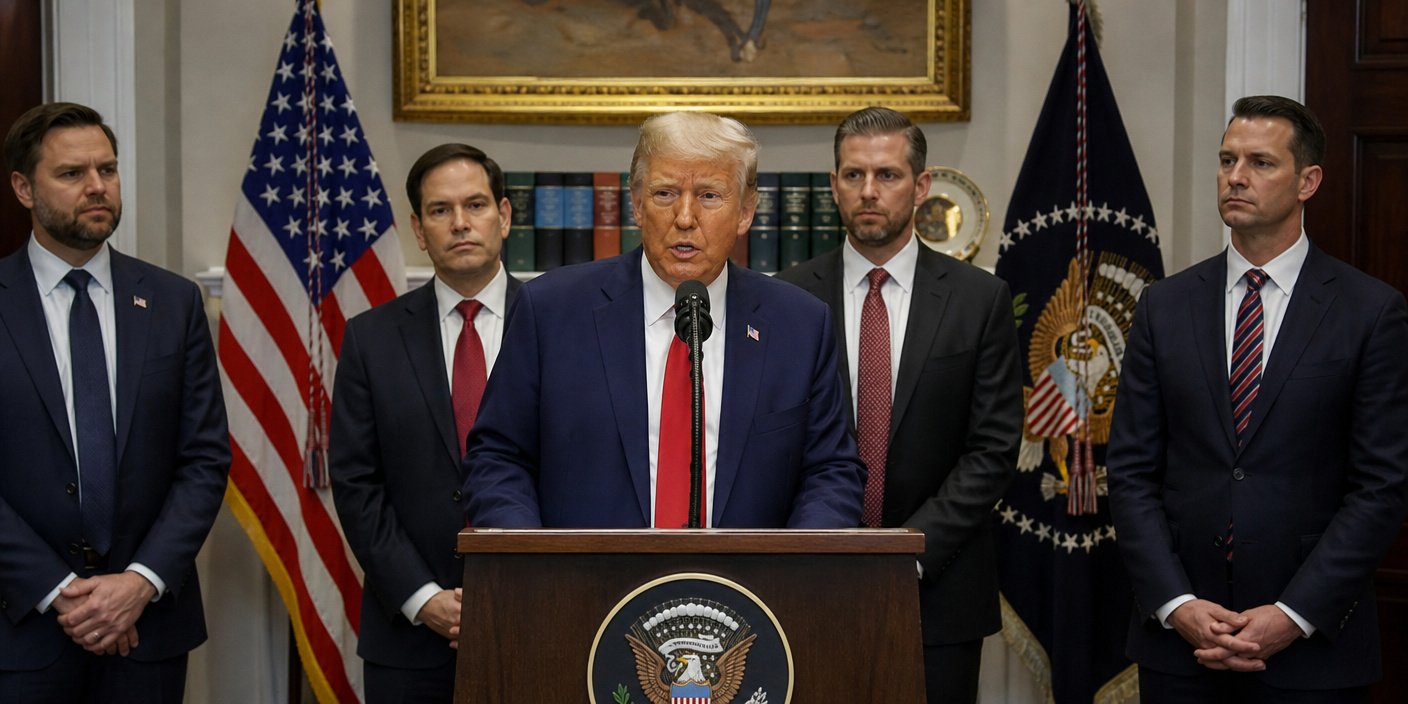
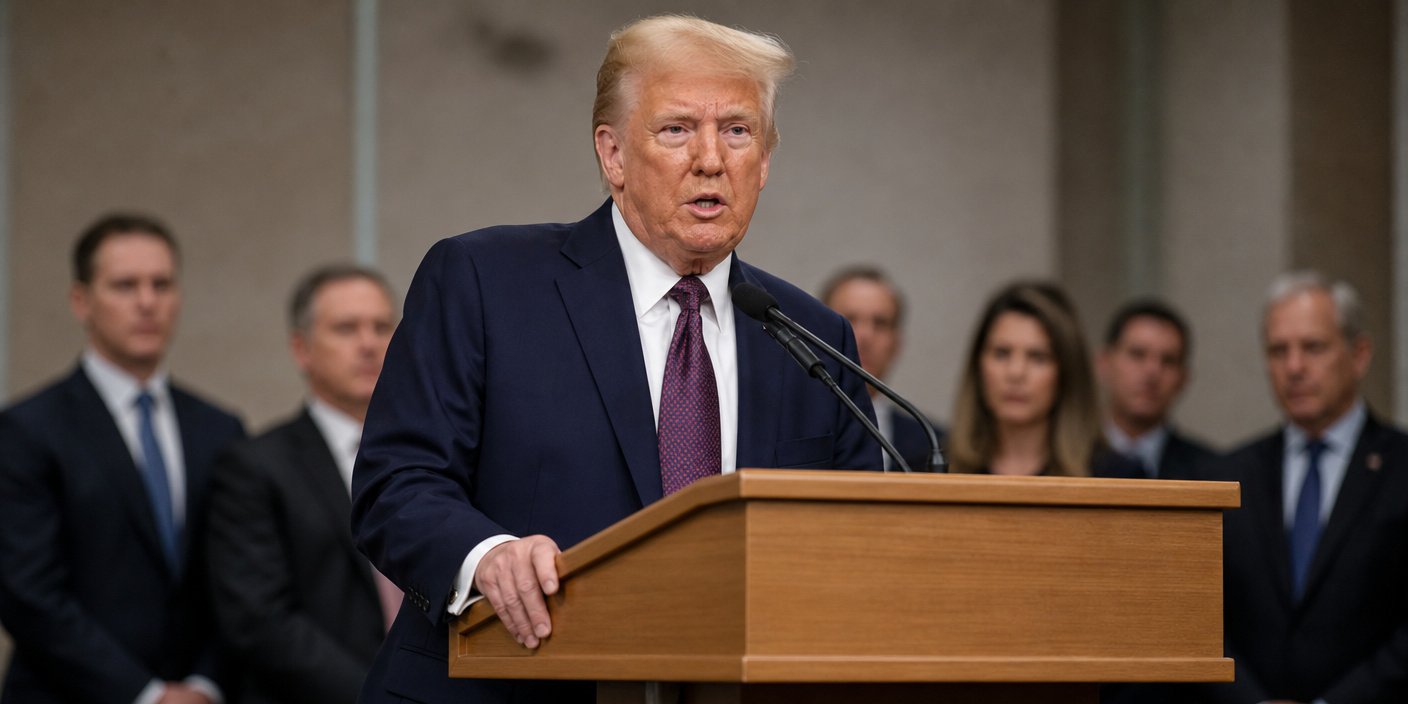
The United States has urged China to cease its military actions against Taiwan, emphasizing the need to de-escalate the growing Taiwan Military Pressure. This call, issued on January 2, 2026, followed extensive Chinese military drills conducted near the island, which have significantly increased regional tensions. The US State Department, in its official statement, stressed the importance of restraint amidst escalating China Taiwan tensions.
“China’s military activities and rhetoric toward Taiwan and others in the region increase tensions unnecessarily,” stated State Department spokesman Thomas Pigott, underscoring the US commitment to Taiwan Strait stability. He further advocated for meaningful dialogue to address the current situation. The US firmly supports peace and stability in the Taiwan Strait and opposes any forceful changes to the existing status quo, a stance that comes as Taiwan Military Pressure continues to be a focal point. This official US response arrived days after other nations voiced similar concerns regarding the heightened Taiwan Military Pressure.
China’s “Justice Mission 2025” Exercises and Taiwan Military Pressure

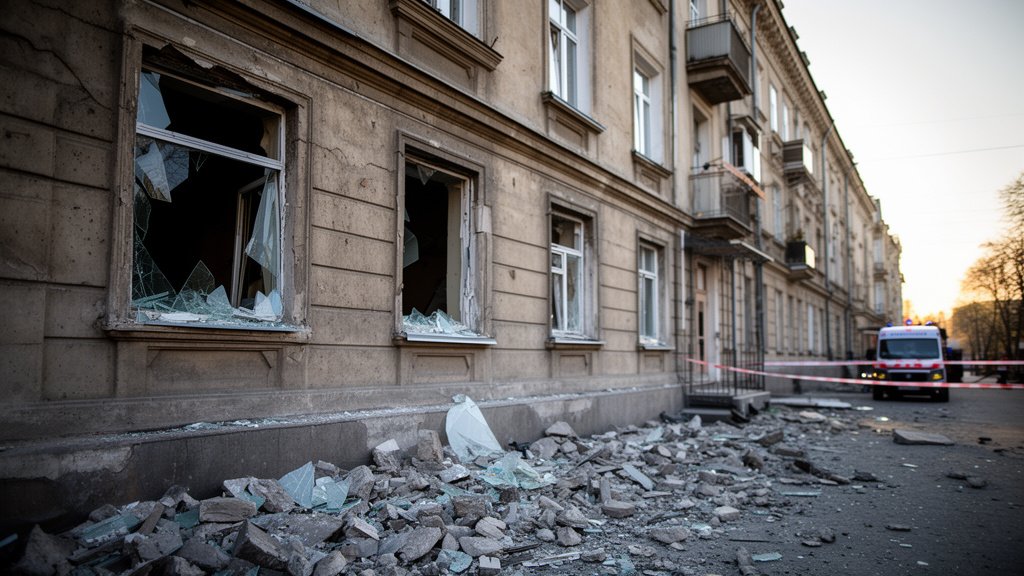
China recently concluded its “Justice Mission 2025” drills, a series of extensive military maneuvers that served as a clear demonstration of Taiwan Military Pressure. These exercises involved significant military operations, including the firing of 27 rockets, ten of which landed in Taiwan’s contiguous zone. The deployment of 31 warships and 16 coast guard vessels, alongside 207 aircraft sorties detected, highlighted the scale of the simulated blockade of Taiwan’s ports and tested sea-air coordination, all contributing to the intense Taiwan Military Pressure.
International Reaction and Taiwan’s Stance on Taiwan Military Pressure
Several countries expressed alarm over the recent events and the increasing Taiwan Military Pressure. Japan, Australia, the EU, and others voiced their worries about the escalating situation. Japan’s Prime Minister Sanae Takaichi had previously indicated potential military intervention in a Taiwan crisis, a statement that had heightened tensions earlier. Taiwan’s Foreign Minister Lin Chia-lung welcomed the US statement, emphasizing cooperation with like-minded nations to counter the Taiwan Military Pressure. Taiwan aims to defend the international order. Taiwan’s President Lai Ching-te stated that 2026 will be a crucial year, urging preparedness for the worst-case scenarios amidst ongoing Taiwan Military Pressure.
US Policy and Taiwan’s Defense Against Taiwan Military Pressure
The US is legally bound to provide Taiwan with defense capabilities, a commitment that stands in contrast to the increasing Taiwan Military Pressure from Beijing. However, the current administration has aimed to avoid friction in other areas, including trade negotiations with Beijing, even as Taiwan Military Pressure mounts. The US has approved significant arms sales to Taiwan, with an $11.1 billion package recently announced. This sale includes precision munitions and advanced systems, designed to bolster Taiwan’s asymmetric defense strategy in the face of sustained Taiwan Military Pressure.
China’s Response and Broader Context of Taiwan Military Pressure
China claims Taiwan as its territory and has not ruled out the use of force for reunification, a fundamental aspect of its approach to Taiwan Military Pressure. Beijing defended its recent drills, calling them legitimate and necessary. China’s Defense Ministry stated it would not allow external interference in its internal affairs. The US China relations also play a significant role in this dynamic. Trade dynamics and potential tariffs influence the geopolitical landscape, with the US National Security Strategy prioritizing deterring conflict over Taiwan amidst significant Taiwan Military Pressure.
Escalating Tensions and Calls for Dialogue Amidst Taiwan Military Pressure
The recent Chinese exercises and the subsequent US response underscore persistent global concerns regarding the escalating Taiwan Military Pressure. Tensions in the Taiwan Strait remain a critical issue for international peace and stability, significantly influenced by the ongoing Taiwan Military Pressure. The US and its allies continue to call for de-escalation and advocate for dialogue to resolve disputes, viewing China’s actions as unnecessarily raising tensions. The American stance reflects a commitment to regional security and highlights the complex politics of the region, impacting global politics and international relations due to the persistent Taiwan Military Pressure.
Conclusion on Taiwan Military Pressure
The US demand for China to halt its military actions against Taiwan is a significant development, reflecting ongoing geopolitical friction. International attention remains focused on the Taiwan Strait, where the constant Taiwan Military Pressure poses a significant challenge. The situation calls for careful diplomacy, with de-escalation and dialogue being paramount for maintaining peace and addressing the Taiwan Military Pressure. The American position is clear: peace and stability are essential for Taiwan Strait stability, despite the continued Taiwan Military Pressure.