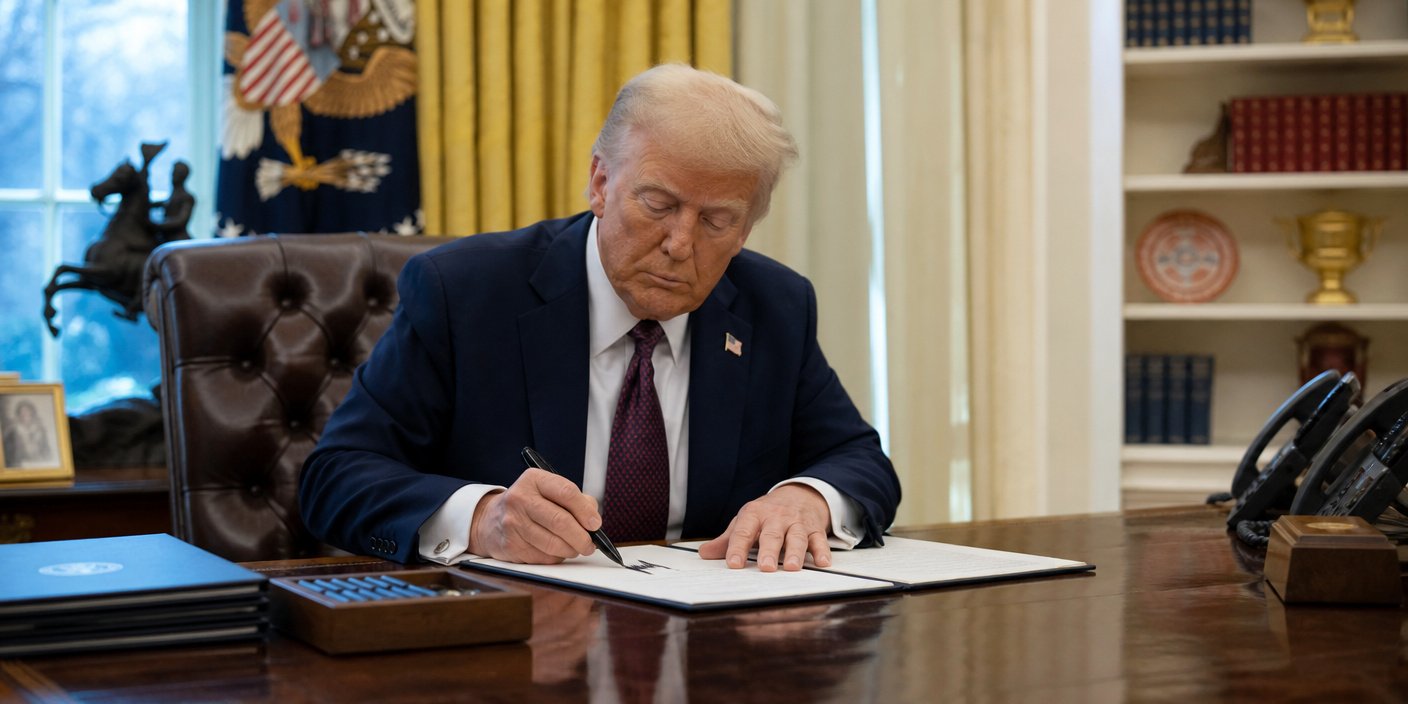
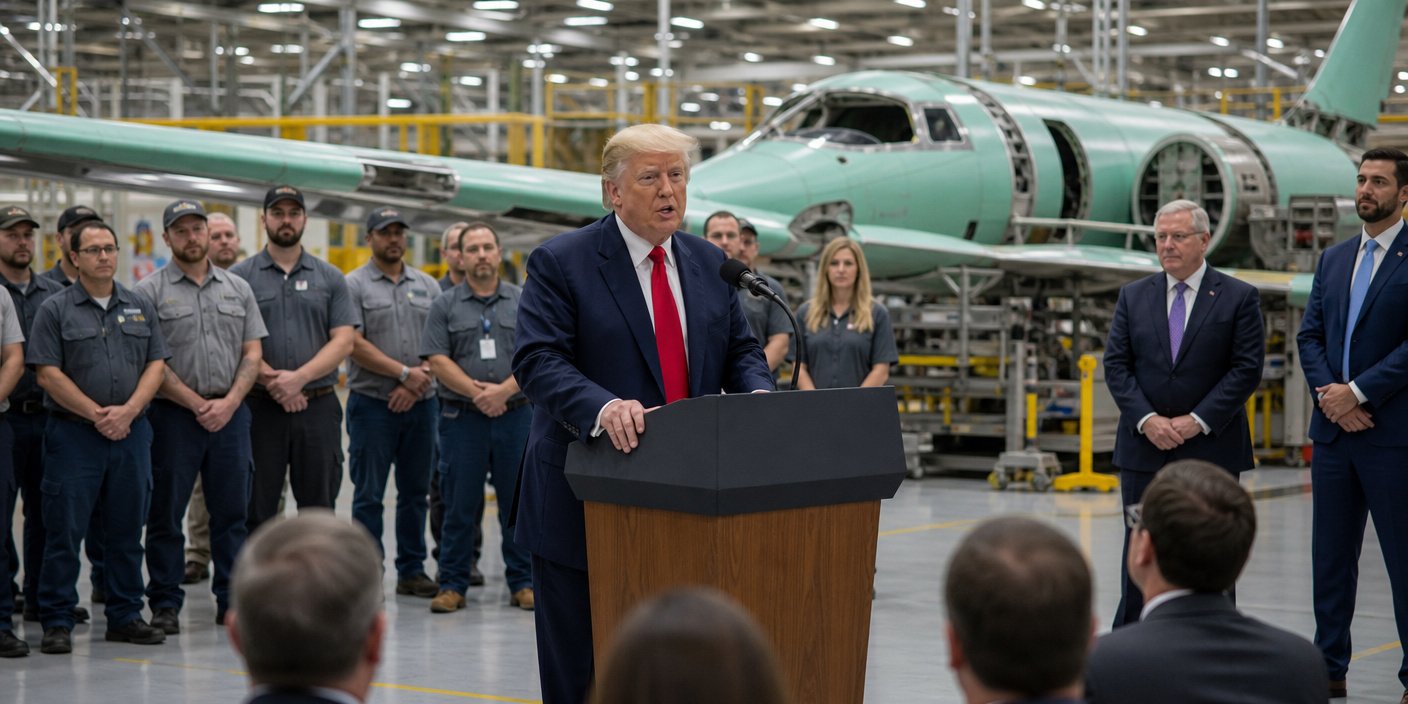
The Secure America Act has been passed, promising to fully fund critical border security agencies including CBP and ICE, and advance President Trump’s border security agenda. This legislative achievement is poised to significantly bolster the nation’s efforts in managing its borders and enforcing immigration policies.
Key Highlights:
- Full funding secured for CBP and ICE.
- Advancement of President Trump’s border security initiatives.
- Expected enhancement of national border control measures.
- Bipartisan support crucial for legislative passage.
Border Security Overhaul: The Secure America Act in Detail
The Secure America Act marks a significant moment in national policy, aiming to provide substantial financial resources to the Customs and Border Protection (CBP) and Immigration and Customs Enforcement (ICE) agencies. This act directly addresses concerns regarding border security and immigration enforcement, which have been central themes in recent political discourse. By ensuring robust funding, the act intends to equip these agencies with the necessary tools, technology, and personnel to effectively manage the nation’s borders.
Funding Mechanisms and Agency Support
The legislation outlines a comprehensive funding strategy that allocates resources across various operational facets of CBP and ICE. This includes investments in advanced surveillance technology, additional patrol agents, improved detention facilities, and enhanced processing capabilities for individuals encountered at the border. The act’s proponents argue that this financial injection is crucial for maintaining national security and managing the flow of immigration in a humane and orderly fashion.
Presidential Agenda Alignment



Central to the Secure America Act is its alignment with President Trump’s established border security agenda. The bill is designed to implement key pillars of this agenda, such as the construction or enhancement of physical barriers, increased deportations of undocumented immigrants, and stricter asylum policies. The passage of this act is seen by supporters as a victory for the administration’s long-standing commitment to a more secure and controlled border.
Legislative Process and Political Landscape
The journey of the Secure America Act through the legislative process was marked by intense debate and negotiation. Proponents, including a significant bloc of Republican lawmakers, championed the bill as essential for national sovereignty and security. Opponents, primarily from the Democratic party, raised concerns about the potential human rights implications, the effectiveness of certain security measures, and the overall cost. Ultimately, a compromise or a strong majority vote facilitated its passage, underscoring the complex political dynamics surrounding immigration and border policy.
Economic and Social Implications
The economic impact of the Secure America Act is expected to be considerable. The increased funding for border security personnel and infrastructure will create jobs and stimulate economic activity in border regions. However, critics point to the substantial financial outlay and question whether the proposed measures will yield the desired long-term results in terms of immigration control and national security. Socially, the act is likely to reignite discussions about immigration reform, the treatment of asylum seekers, and the role of the United States in global migration patterns.
FAQ: People Also Ask
What are the primary goals of the Secure America Act?
The primary goals of the Secure America Act are to fully fund CBP and ICE, enhance national border security, and implement President Trump’s border security agenda. It aims to strengthen the nation’s ability to control its borders and manage immigration effectively.
How will the Secure America Act affect CBP and ICE operations?
The act is expected to significantly boost the operational capacity of CBP and ICE by providing increased funding for personnel, technology, infrastructure, and enforcement activities. This could lead to more robust surveillance, faster processing, and more efficient deportations.
What is President Trump’s border security agenda?
President Trump’s border security agenda generally includes measures such as building a wall on the U.S.-Mexico border, increasing deportations, strengthening immigration enforcement, and reforming asylum laws to make them more restrictive. The Secure America Act is designed to advance these objectives.
What are the expected economic impacts of this act?
Economically, the act is anticipated to create jobs related to border security infrastructure and personnel. However, it also involves a significant government expenditure, and debates continue regarding its overall economic efficiency and long-term fiscal implications.
Were there any specific legislative hurdles or debates surrounding the act’s passage?
Yes, the act faced considerable debate, particularly concerning its cost, the effectiveness of proposed security measures, and potential humanitarian concerns related to immigration enforcement. Political divisions played a significant role in the legislative discussions.