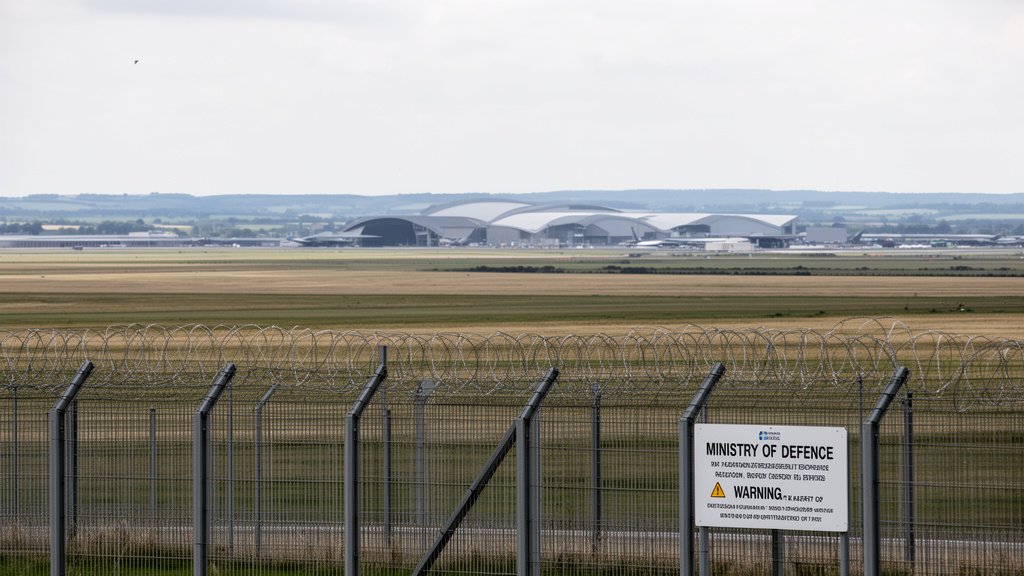
In a decisive shift for Middle Eastern security policy, the United States has officially concluded Operation Inherent Resolve in Iraq. The move marks the end of a 12-year military campaign that began in 2014 to combat the rise of the Islamic State (ISIS). In a formal statement released by Chief Pentagon Spokesman Sean Parnell, the Department of Defense confirmed the mission’s conclusion and the successful transition to an Iraqi-led security apparatus, signaling a new chapter in the bilateral relationship between Washington and Baghdad.
Key Highlights
- Mission Conclusion: Operation Inherent Resolve has officially ended after 12 years of coalition military action against ISIS forces.
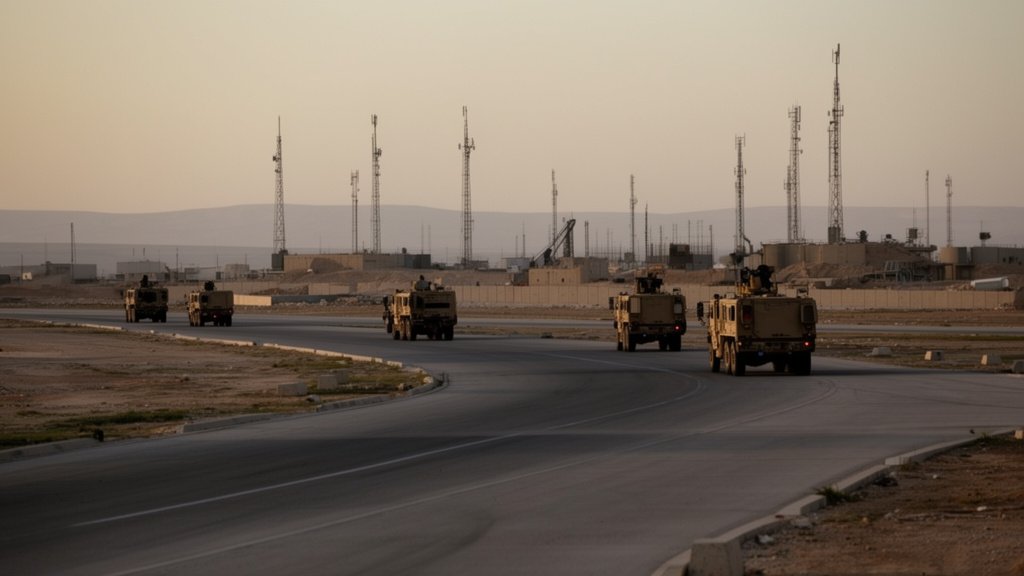
- Strategic Withdrawal: U.S. forces have completed their departure from Erbil Air Base, a key logistical hub in the Kurdistan region.
- Security Transition: The mission has officially shifted to an Iraqi-led security model, with the U.S. maintaining a limited, strictly advisory and training role.
- Historical Context: The campaign, which mobilized a multi-national coalition in 2014, was instrumental in reclaiming territory held by ISIS in Iraq and Syria.
The Strategic Shift: Transitioning the U.S. Military Mission in Iraq
The formal announcement by Chief Pentagon Spokesman Sean Parnell regarding the conclusion of the U.S. military mission in Iraq represents more than just a logistical withdrawal; it underscores a fundamental evolution in American geopolitical strategy. For over a decade, Operation Inherent Resolve functioned as the primary vehicle for U.S. engagement in the region, focusing on the degradation and ultimate territorial defeat of ISIS. As the final coalition forces cleared Erbil Air Base, the focus shifted from active counter-terrorism combat operations to a sustainable, partner-led security framework.
The End of Operation Inherent Resolve
Operation Inherent Resolve (OIR) was launched in June 2014, a direct response to the rapid territorial expansion of the Islamic State across northern Iraq and Syria. At its peak, the mission coordinated the efforts of over 80 nations and partner organizations, providing air support, intelligence, surveillance, and specialized training to Iraqi Security Forces (ISF).
Analysts note that the mission’s conclusion was not sudden but the culmination of a multi-year ‘glide path’ intended to hand control back to local authorities. The departure from Erbil Air Base is highly symbolic; the facility served as a central nervous system for coalition intelligence and rapid response capabilities during the height of the conflict. By shuttering these operations, the U.S. is effectively signaling confidence in the Iraqi Security Forces’ current capability to maintain regional stability and prevent the resurgence of insurgent cells.
Defining the New Advisory Role
While the combat mission has concluded, the U.S. footprint in the region is not vanishing entirely. Instead, it is transforming. The new arrangement prioritizes ‘advisory and assist’ functions. This shift is designed to reduce the political friction often associated with a persistent foreign military presence while maintaining a vital pipeline for military hardware, tactical training, and counter-insurgency doctrine updates.

This transition relies heavily on the success of the Global Coalition’s efforts to institutionalize the Iraqi military’s command structures. The Pentagon’s statement suggests that future engagement will be conducted on a government-to-government basis, focusing on technological transfers and high-level strategic intelligence sharing rather than on-the-ground kinetic operations.
Assessing the 12-Year Legacy
Evaluating the 12-year campaign against ISIS requires a nuanced view of both tactical successes and long-term regional stability. Operation Inherent Resolve successfully dismantled the ‘Caliphate’ that spanned territory roughly the size of Great Britain. Thousands of square miles of urban and rural terrain were reclaimed, and millions of civilians were liberated from the brutal governance of ISIS.
However, the legacy is complicated. Critics argue that the vacuum left by the collapse of ISIS remains susceptible to ideological insurgencies, and that the long-term sustainability of the peace depends on political integration within Iraq—a factor outside the scope of military operations. The conclusion of the U.S. combat role places the burden of proof squarely on Baghdad’s political and military leadership to ensure that the security gains of the last decade are not eroded by internal factionalism or a resurgence of extremist networks.
The Geopolitical Ripple Effect
The withdrawal from Erbil also carries significant weight for regional power dynamics. Iran, a major player with significant influence in Iraqi political circles, has long advocated for the removal of U.S. forces. The conclusion of OIR will inevitably be viewed through the lens of shifting alliances.
Furthermore, for the Kurdish Regional Government (KRG), the closure of the U.S. presence at Erbil Air Base represents a change in the security landscape. The U.S. has often acted as a stabilizing counterbalance in Kurdish-Iraqi relations. As Washington shifts to a more distant advisory role, observers will be watching closely to see how this transition affects the delicate balance of power between Baghdad and Erbil.
FAQ: People Also Ask
Q: What does the conclusion of Operation Inherent Resolve mean for the average Iraqi citizen?
A: It represents a shift in day-to-day security responsibilities. The primary combat and rapid-reaction duties now reside entirely with the Iraqi Security Forces, with U.S. engagement limited to high-level strategic advisory roles rather than direct military intervention.
Q: Will the U.S. maintain any military presence in the region?
A: Yes. The Pentagon has indicated that while the combat mission (Operation Inherent Resolve) has concluded, a continued bilateral presence for training, advisory support, and intelligence cooperation remains in place, operating under different diplomatic and military agreements.
Q: Why was Erbil Air Base significant to the mission?
A: Erbil Air Base served as a critical operational hub in the Kurdistan region, facilitating coalition air support, intelligence gathering, and regional coordination for counter-ISIS operations since the inception of the mission in 2014.
Q: Does this mean ISIS is fully eradicated?
A: No. While the territorial ‘Caliphate’ was defeated in 2019, the mission’s conclusion marks the end of a formal combat campaign. The U.S. and its partners acknowledge that the threat from ISIS remnants remains, requiring continued vigilance and intelligence sharing to prevent resurgence.