The United States is signaling potential Venezuela Sanctions Relief, a move intended to boost oil sales and contribute to the nation’s economic recovery plan. Treasury Secretary Scott Bessent announced this significant development, suggesting that further easing of sanctions on Venezuela could occur imminently, possibly as soon as next week.
Context of Venezuela Sanctions Relief
The U.S. administration is actively considering adjustments to its sanctions regime. These potential modifications are designed to facilitate Venezuela’s ability to sell its substantial reserves of stored oil. The proceeds generated from these forthcoming oil sales could be directed back to Venezuela, marking a notable shift in sanctions policy. The primary objectives behind this strategy include stabilizing the Venezuelan economy and encouraging the return of U.S. oil producers, which could revitalize the oil industry investment landscape.
IMF and World Bank Engagement on Venezuela Sanctions
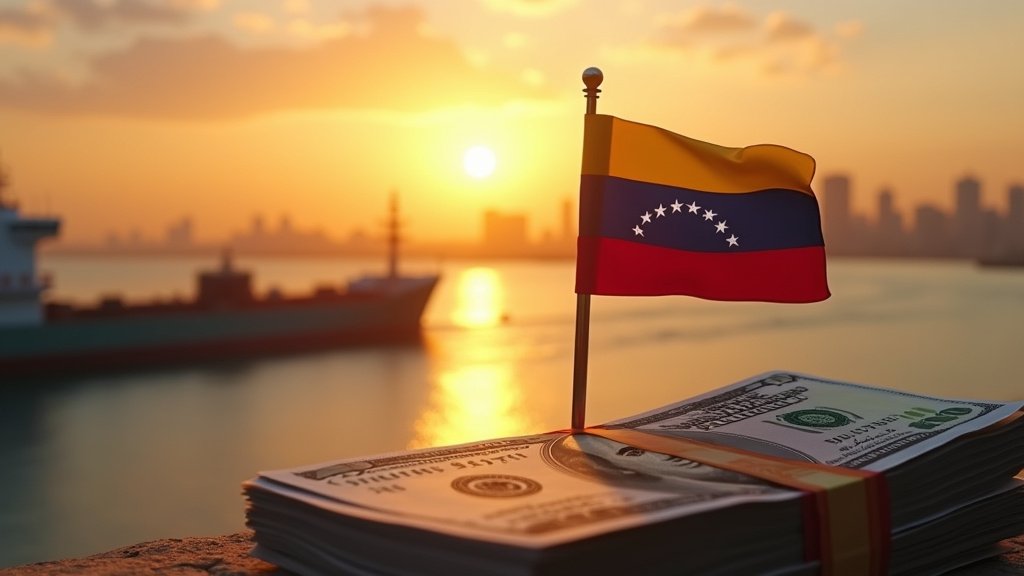
Secretary Bessent’s agenda includes critical meetings with leaders from the International Monetary Fund (IMF) and the World Bank. These discussions will focus on the potential for re-engagement with Venezuela, particularly concerning the release of nearly $5 billion in Venezuelan IMF Special Drawing Rights (SDRs). These funds are crucial for the nation’s economic recovery plan and rebuilding efforts, but Venezuela has been largely unable to access them. The IMF’s last assessment of Venezuela was in 2004, and World Bank engagement ceased in 2007, highlighting the extent of the isolation that Venezuela Sanctions Relief could begin to address.
U.S. Strategy and Venezuelan Oil Revenue
President Donald Trump’s previous executive order aimed to protect Venezuelan oil revenue by safeguarding funds held in U.S. Treasury accounts for Venezuela’s future use. Secretary Bessent’s recent statements, such as “How can we help that get back into Venezuela?”, underscore a desire to direct these funds towards critical government operations and security services, ultimately benefiting the Venezuelan people. This approach is intrinsically linked to the broader goal of providing Venezuela Sanctions Relief to enable economic activity and responsible resource management.
Oil Industry and Investment under Venezuela Sanctions Relief
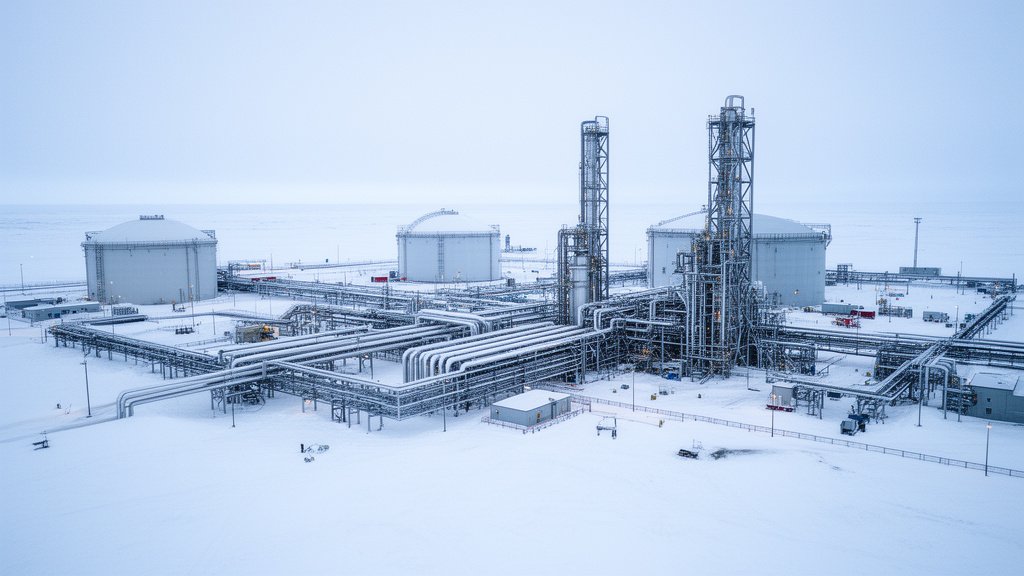
A key aspect of the U.S. strategy is to invigorate Venezuela’s oil sector. While smaller companies might be quicker to invest, larger firms, facing more complex bureaucratic hurdles, may take longer. The prospect of Venezuela Sanctions Relief could encourage entities like Chevron to expand their operations, and the U.S. Export-Import Bank might offer financing guarantees. However, many U.S. oil firms remain cautious, citing significant infrastructure needs and the substantial oil industry investment required to meaningfully boost output. Addressing these concerns is vital for the success of any new sanctions policy shift.
Background and Political Climate Affecting Venezuela
These developments unfold against a backdrop of recent political shifts. While former Venezuelan leader Nicolas Maduro was apprehended, diplomatic channels are being pursued, including discussions to restore embassies between Venezuela and the U.S. Venezuela’s condemnation of the capture, coupled with its engagement in diplomacy, signals a complex but evolving dynamic. The U.S. also cancelled planned strikes following the release of political prisoners, indicating a willingness to adjust its approach based on Venezuelan actions. Such events influence the calculus for implementing Venezuela Sanctions Relief.
Trending Stories on Venezuela
The U.S. is clearly recalibrating its strategy towards Venezuela, with a focus on sanctions policy adjustments aimed at economic stabilization and increasing global oil supply. These are trending stories with significant implications for US Venezuela relations and regional stability. The potential for Venezuela Sanctions Relief is a central theme, reflecting evolving American interests and diplomatic considerations.
Conclusion on Venezuela Sanctions Relief
In conclusion, the U.S. is signaling a potential easing of sanctions on Venezuela, directly linked to enhancing oil sales and fostering an economic recovery plan. This move also involves renewed engagement with international financial institutions like the IMF and World Bank, with the possibility of utilizing frozen assets for the nation’s rebuilding. These steps represent a significant shift in approach, aiming to achieve Venezuelan stability and reintegrate the country into the global financial system. The careful consideration of Venezuela Sanctions Relief is paramount to achieving these objectives and improving US Venezuela relations.