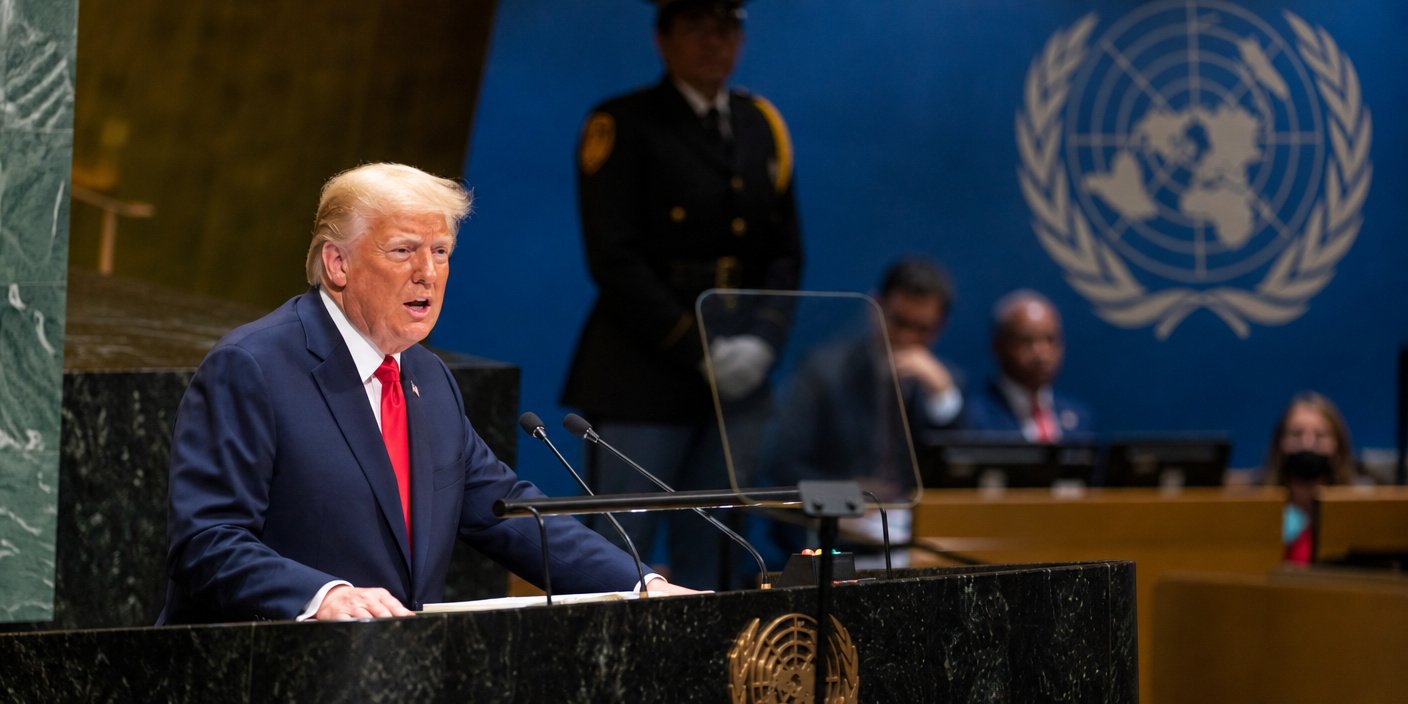
President Donald Trump has announced a major shift in the United States’ approach to artificial intelligence, confirming that a coalition of top technology executives has signed a new, voluntary accord to self-police AI development. This strategic agreement, which counts industry titans like NVIDIA CEO Jensen Huang among its signatories, represents a pivot from traditional, top-down federal regulation toward a model of industry-led accountability. House Speaker Mike Johnson was also present at the announcement, underscoring the strong alignment between the executive branch and congressional leadership regarding the necessity of fostering domestic innovation while maintaining technological dominance.
- President Trump confirms a new voluntary AI self-policing accord with major tech firms.
- NVIDIA CEO Jensen Huang is a primary partner in this industry-led regulatory framework.
- House Speaker Mike Johnson backs the initiative, signaling bipartisan-leaning support for industry oversight.
- The accord aims to balance robust AI development with national security and safety protocols.
The New Era of Voluntary AI Accountability
In a move that has sent ripples through Silicon Valley and Washington D.C., the federal government has officially endorsed a self-regulatory model for the burgeoning artificial intelligence sector. The accord, brokered under the auspices of the Trump administration, seeks to establish a set of voluntary, yet stringent, guidelines that these companies will implement internally to mitigate potential risks associated with advanced machine learning models. By opting for a self-policing mechanism, the administration aims to bypass the gridlock often associated with traditional legislative frameworks, which critics argue can stifle innovation and cede technological ground to international competitors.
The Role of NVIDIA and Industry Giants


Central to the success of this accord is the participation of NVIDIA, the world’s foremost manufacturer of AI-grade chips. CEO Jensen Huang, whose company has become the backbone of the AI infrastructure boom, has positioned NVIDIA at the forefront of this initiative. Huang’s involvement is significant; it suggests that the providers of the physical hardware—the ‘picks and shovels’ of the AI gold rush—are committed to setting safety standards at the architectural level. This approach effectively bakes security protocols into the very fabric of computing power, a move that experts believe is far more effective than attempting to regulate software models after they have already been deployed to the public.
Congressional Oversight and Innovation
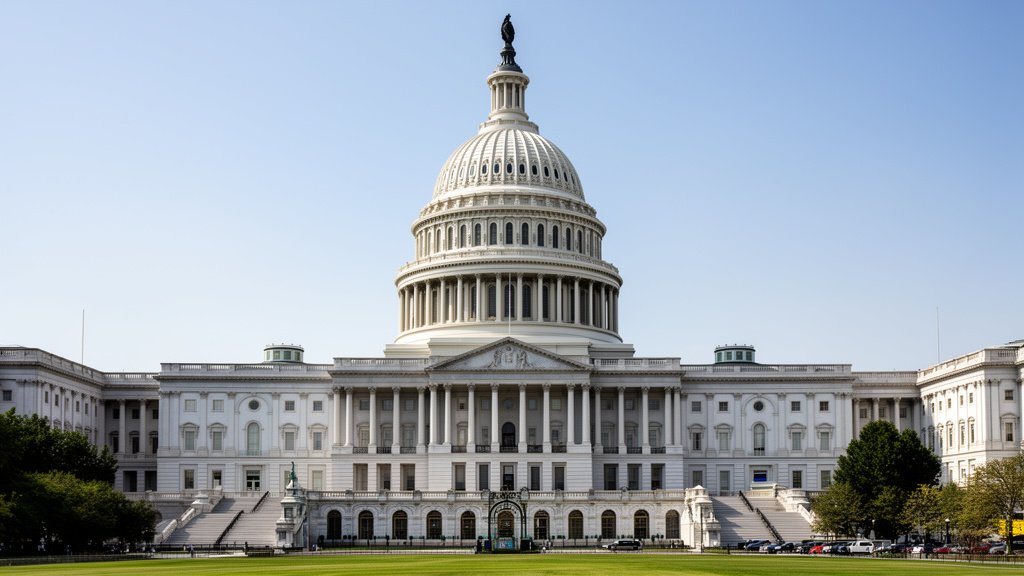
The presence of House Speaker Mike Johnson at the announcement provides a clear signal that the legislative branch is prepared to facilitate this industry-led approach. Speaker Johnson has historically advocated for policies that prioritize American competitive advantage, and his support for this accord indicates that the House will likely favor light-touch regulation that empowers the private sector. The focus, according to administration sources, is to ensure that the U.S. remains the global leader in AI development, avoiding the ‘bureaucratic paralysis’ that many tech executives argue has hampered development in other jurisdictions. This collaboration marks a tangible bridge between the executive and legislative priorities, effectively creating a unified front for technology policy.
The Strategic Advantage: US AI Leadership
The geopolitical implications of this agreement cannot be overstated. As global powers compete for supremacy in generative AI, quantum computing, and autonomous systems, the ability to rapidly iterate and deploy technology is a distinct strategic advantage. By formalizing this ‘self-policing’ accord, the United States is signaling that it trusts its private sector to manage ethical and safety concerns without requiring the heavy hand of federal mandates. This trust, however, comes with high expectations for transparency. The firms involved have committed to rigorous internal auditing and information sharing with federal agencies when significant breakthroughs—or potential risks—are identified.
FAQ: People Also Ask
What does the ‘self-policing’ AI accord actually entail?
The accord is a voluntary framework where participating tech firms agree to implement specific safety, security, and ethical standards within their AI development pipelines. Instead of government-mandated regulations, companies are responsible for their own internal oversight, while providing transparent reporting to federal agencies.
Why was Jensen Huang (NVIDIA) a central figure in this announcement?
Jensen Huang’s involvement is critical because NVIDIA provides the essential computing hardware (GPUs) upon which nearly all modern AI is built. By having the hardware leaders on board, the accord can implement safety standards at the hardware level, which is considered a more foundational approach to AI safety.
How does this impact federal legislative oversight for AI?
House Speaker Mike Johnson’s presence suggests a move toward legislative restraint. The administration is signaling a preference for industry self-regulation, which likely means that Congress will avoid drafting restrictive, blanket laws that could slow down AI research and development in the United States.
What is the primary goal of this initiative?
The primary goal is to maintain American leadership in AI technology by fostering an environment that balances innovation with necessary safety guardrails, thereby avoiding the competitive disadvantages that may arise from overly aggressive federal intervention.