The United States aviation system faced a profound paralysis on November 13, 2026, as the Federal Aviation Administration (FAA) initiated a nationwide ground stop lasting more than four hours. The unprecedented event, triggered by critical technical malfunctions within the agency’s newly implemented equipment, halted all departures across the country. As major carriers scramble to restore operations, the disruption has resulted in over 2,000 flight cancellations and hundreds of thousands of displaced passengers, marking one of the most significant logistical failures in recent American aviation history. The FAA nationwide ground stop has reignited intense scrutiny regarding the modernization of legacy infrastructure and the risks associated with rapid digital integration in high-stakes environments.
Key Highlights
- Massive Disruption: A nationwide ground stop halted all aircraft departures for over four hours on November 13, 2026.
- Quantifiable Impact: Preliminary data confirms more than 2,000 flight cancellations, with thousands of additional delays rippling through domestic and international flight paths.
- Root Cause Identified: The FAA confirmed the shutdown was caused by unforeseen technical issues related to the deployment of new, upgraded equipment within their air traffic control systems.
- Systemic Fragility: This incident highlights the vulnerabilities inherent in updating critical, real-time safety infrastructure while maintaining continuous, high-volume operations.
Systemic Fragility: Investigating the Nationwide FAA Ground Stop
The events of November 13, 2026, were not merely a temporary inconvenience but a stark demonstration of the fragility of modern air traffic management. At approximately 8:00 AM Eastern Time, ground operations at major hubs—from JFK in New York to LAX in Los Angeles—began to grind to a halt. The FAA’s decision to issue a nationwide ground stop was a prophylactic measure, necessitated by the inability of their central processing systems to reliably relay mission-critical information to pilots and ground crews after a software update involving new equipment integration failed to synchronize correctly.
The Anatomy of the Technical Collapse



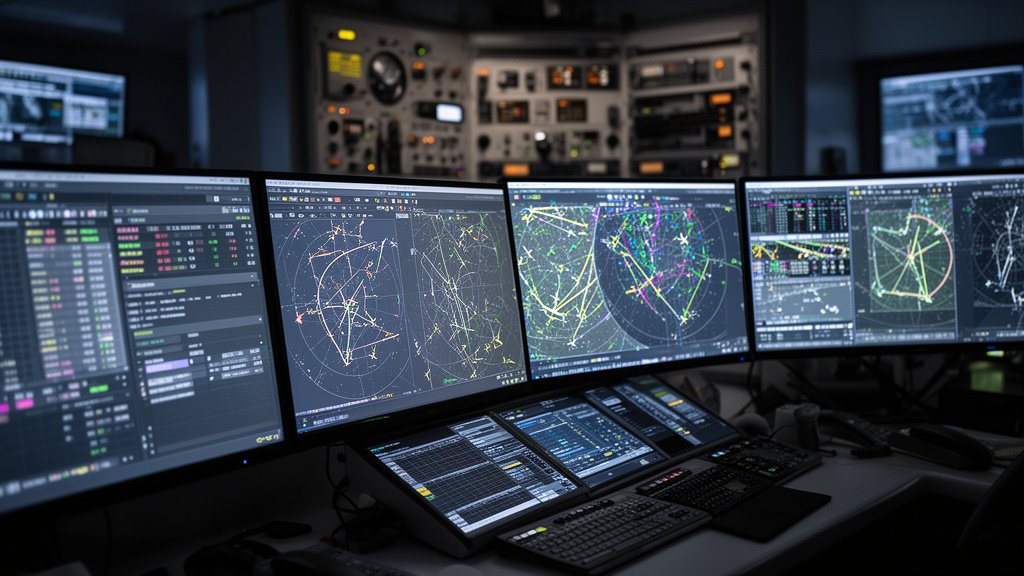
According to initial technical briefings, the malfunction was isolated to a sub-layer of the FAA’s messaging system, which facilitates real-time data flow between the central command and local air traffic control towers. As the system attempted to integrate the new hardware, a handshake failure occurred. In the interest of safety—the foundational pillar of the Department of Transportation’s mission—the FAA ordered the ground stop to prevent aircraft from taking off without the most current navigational data. This safety protocol, while necessary, effectively paralyzed the national airspace. Unlike localized weather events, this was a systemic failure, meaning there was no geographic workaround; the very arteries of the U.S. aviation network were clogged.
Economic and Logistical Ripple Effects
The economic fallout of such an event is measured not only in lost revenue for airlines but in the massive, compounding cost to the national economy. With over 2,000 flights canceled, the impact on business travel, logistics, and individual leisure is severe. Airlines are now facing the grueling task of re-crew allocation and passenger re-accommodation. Because modern airline fleets are highly optimized, with planes often flying six to eight segments in a single day, one canceled flight in the morning can lead to a ‘domino effect’ of delays that lasts for several days. Carriers are currently struggling to manage the backlog, with thousands of passengers stranded in terminals, creating scenes of frustration at major airports nationwide. The logistical challenge of clearing this backlog is compounded by the fact that crew-duty-time regulations remain in effect, limiting how quickly the industry can return to normal operations.
Beyond the Glitch: Modernization Vulnerabilities
This incident forces a difficult conversation regarding how the FAA manages infrastructure upgrades. The transition from legacy ‘analog-style’ systems to modern, cloud-integrated hardware is essential for long-term efficiency and safety, yet the migration process remains fraught with risk. Industry experts argue that while the new equipment is designed to handle higher traffic volumes and provide greater predictive analysis, the testing environments for such critical software appear insufficient. The reliance on centralized, single-point-of-failure architectures remains a significant concern. Moving forward, the aviation industry, alongside Congressional oversight committees, will likely push for a ‘modular’ approach to upgrades, where systems can be updated incrementally without requiring the total cessation of national air travel. The public trust, already tested by previous IT-related outages in the aviation sector, now faces a critical moment of re-evaluation. The FAA is expected to release a full audit of the event within the coming weeks, a report that will likely dictate the pacing of future technology rollouts across the agency’s network.
FAQ: People Also Ask
Why was a nationwide ground stop necessary instead of a localized one?
The nature of the FAA’s technical glitch impacted the centralized messaging system that provides real-time navigational data. Because this data is vital for safe takeoffs nationwide, the FAA could not selectively isolate specific regions; the risk of an aircraft operating with outdated or missing flight safety data was deemed too high to risk anywhere in the national airspace.
Will passengers be entitled to refunds for these cancellations?
Most major airlines are currently providing waivers for change fees and offering refunds for canceled flights as part of their standard contracts of carriage during major disruptions. Travelers are advised to check the specific policies of their respective carriers, as the Department of Transportation continues to monitor airline compliance regarding passenger protections.
Was this incident caused by a cyberattack or hacking?
At this time, there is no evidence to suggest that the disruption was caused by an external cyberattack. The FAA has attributed the outage to internal technical issues associated with the integration of new system equipment. Officials are conducting a thorough investigation to ensure the integrity of the system remains sound.
How long will it take for airlines to recover from this disruption?
While the ground stop lasted just over four hours, the resulting backlog is expected to affect flight schedules for at least 48 to 72 hours. Travelers should expect residual delays and sporadic cancellations as airlines work to reposition crews and aircraft across their respective networks.