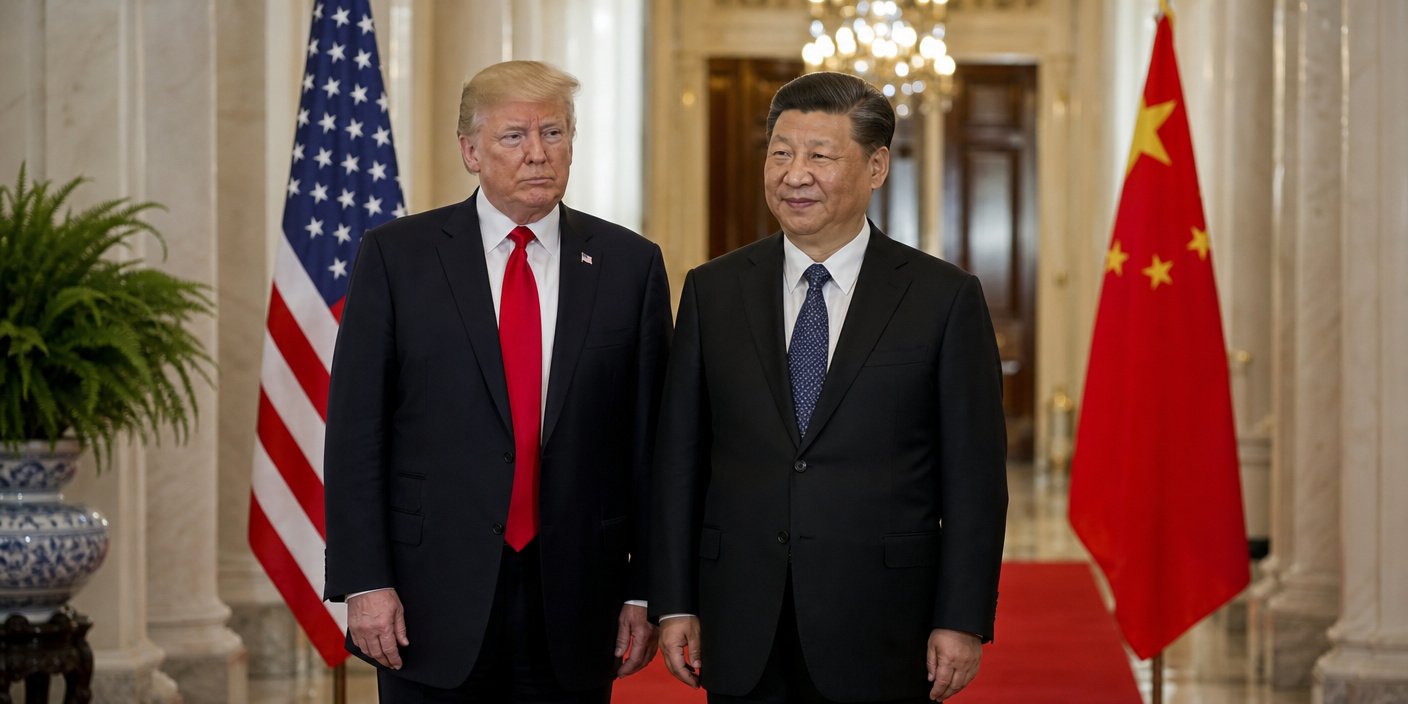
In a pivotal moment for American journalism, a federal judge has ordered the Trump administration to immediately restore the press credentials of CNN correspondent Jim Acosta. The ruling, delivered by Judge Timothy J. Kelly of the U.S. District Court for the District of Columbia on November 16, 2018, sent shockwaves through the Washington press corps, marking a temporary but significant victory for media organizations asserting their right to access the halls of power. While the court’s decision was rooted primarily in procedural due process, it brought the simmering tensions between the Executive Branch and the Fourth Estate to a boiling point, raising critical questions about the role of the press in an increasingly polarized political environment.
Key Highlights
- The Ruling: U.S. District Judge Timothy J. Kelly ordered the White House to reinstate Jim Acosta’s press pass, ruling that the administration violated due process requirements.
- Legal Basis: The decision focused on the lack of a clear, established process for the revocation of press credentials, citing the Fifth Amendment rather than a final ruling on First Amendment speech rights.
- Broad Support: Major media outlets, including Fox News, Politico, and NBC/MSNBC, filed amicus curiae briefs supporting CNN, arguing that press access is a fundamental necessity for democratic accountability.
- The Precedent: This case established that the White House cannot arbitrarily revoke credentials without providing notice and an opportunity to respond, setting a restrictive framework for future administrations.
The Architecture of a Constitutional Clash
The legal battle that culminated in Judge Kelly’s ruling began following an intense press conference in the White House East Room. Following a contentious exchange between President Donald Trump and CNN’s Jim Acosta, the White House revoked Acosta’s “hard pass”—the credential that grants daily, consistent access to the White House grounds. The administration cited unprofessional conduct as the reason for the revocation, a claim that CNN vehemently contested, arguing that the action was a thinly veiled attempt to punish a journalist for asking difficult, adversarial questions.
The Due Process Pivot
While the public conversation surrounding the lawsuit was dominated by the First Amendment—the constitutional guarantee of freedom of the press—Judge Kelly’s legal reasoning was notably surgical. He did not issue a definitive ruling on whether the revocation constituted “viewpoint discrimination” under the First Amendment, an area of law that is notoriously complex and fact-intensive. Instead, he relied on the Fifth Amendment. He determined that the White House had failed to provide Acosta with the basic elements of due process. By failing to provide notice of the charges, a specific explanation for the revocation, or a mechanism for appeal, the administration had effectively acted in an arbitrary and capricious manner.
This distinction is vital for understanding the legal landscape. The court did not necessarily rule that the President cannot revoke a pass, but rather that the President cannot revoke it without a transparent, fair procedure. This has profound implications for how the executive branch interacts with the media in the future, establishing a precedent that administrative power over the press corps is not absolute.
The Coalition of the Media



The significance of this legal victory was bolstered by the rare unity displayed by media organizations with often-divergent editorial stances. The lawsuit saw an unprecedented showing of solidarity, with outlets like Fox News—frequently a target of criticism from the same political base that supported the credential revocation—filing amicus briefs alongside Politico, NBC, and other major networks. This coalition argued that the ability to cover the President is not a government gift but a functional necessity of a free press. The collective legal pressure demonstrated that regardless of ideological differences, the industry viewed the unilateral revocation of access as a systemic threat to the ability of all journalists to perform their duties.
Future Implications for Presidential Power
As we look forward, the legacy of this case remains a defining feature of executive-media relations. The ruling solidified the idea that access to the White House is not merely a privilege subject to the whims of the Press Secretary or the President, but a property interest that carries constitutional protections.
The Shift in Press Room Dynamics
The fallout from this case fundamentally altered the atmosphere of the White House briefing room. It forced the administration to codify and clarify the criteria for credential revocation, transforming a previously opaque, informal process into one governed by more distinct, albeit still discretionary, rules. For future administrations, this case serves as a warning: any attempt to use the mechanism of press credentials as a punitive tool for disagreeable coverage will likely face immediate, costly, and embarrassing litigation.
The First Amendment ‘Viewpoint Discrimination’ Threshold
One of the secondary angles that legal scholars continue to debate is the “viewpoint discrimination” standard. While Judge Kelly did not reach this question in his temporary injunction, the threat of such a ruling looms over future disputes. If a court were to eventually rule that the revocation was motivated by the reporter’s viewpoint, it would represent a cataclysmic shift in First Amendment jurisprudence. It would effectively strip the President of significant discretion in managing the physical space of the White House, forcing the executive branch to navigate a much stricter standard of neutrality when engaging with the press.
The Economic and Democratic Impact
The economic impact of this case is also noteworthy. Maintaining a full-time White House press presence is expensive and logistically demanding for news organizations. When an administration threatens to pull credentials, it threatens the investment that news outlets make in covering the presidency. By protecting these credentials, the court effectively protected the infrastructure of journalism, ensuring that the competitive nature of the White House beat remains open to scrutiny by reporters who hold the administration accountable, regardless of the political cost.
FAQ: People Also Ask
1. Did the judge rule that the White House cannot ban reporters?
No. The ruling was specific to the process. The court essentially held that if the White House has a process for revoking credentials, it must be fair and transparent. They cannot revoke a pass summarily without giving the reporter a chance to defend themselves.
2. Was this a permanent victory for CNN?
It was a victory in the immediate term, preventing the administration from barring the reporter while the lawsuit proceeded. The ruling was an injunction, meaning it stopped the administration from excluding the reporter until a final decision could be made, though the administration ultimately restored the pass before the case reached a final, permanent resolution.
3. Why did other news organizations support CNN?
Media outlets across the political spectrum filed briefs because they viewed the revocation as an existential threat to the collective press corps. They argued that if the White House could pick and choose which journalists were allowed in based on how the administration felt about their questions, the independence of the entire press corps would be compromised.