Millions of Americans took to the streets on Saturday, October 18, 2025, in a massive, nationwide series of protests dubbed ‘No Kings’ rallies. The demonstrations, spanning all 50 states and held in over 2,700 cities and towns, united millions in condemning what organizers described as the Trump administration’s increasingly authoritarian policies and a perceived erosion of democratic norms.
The ‘No Kings’ Movement Takes Center Stage


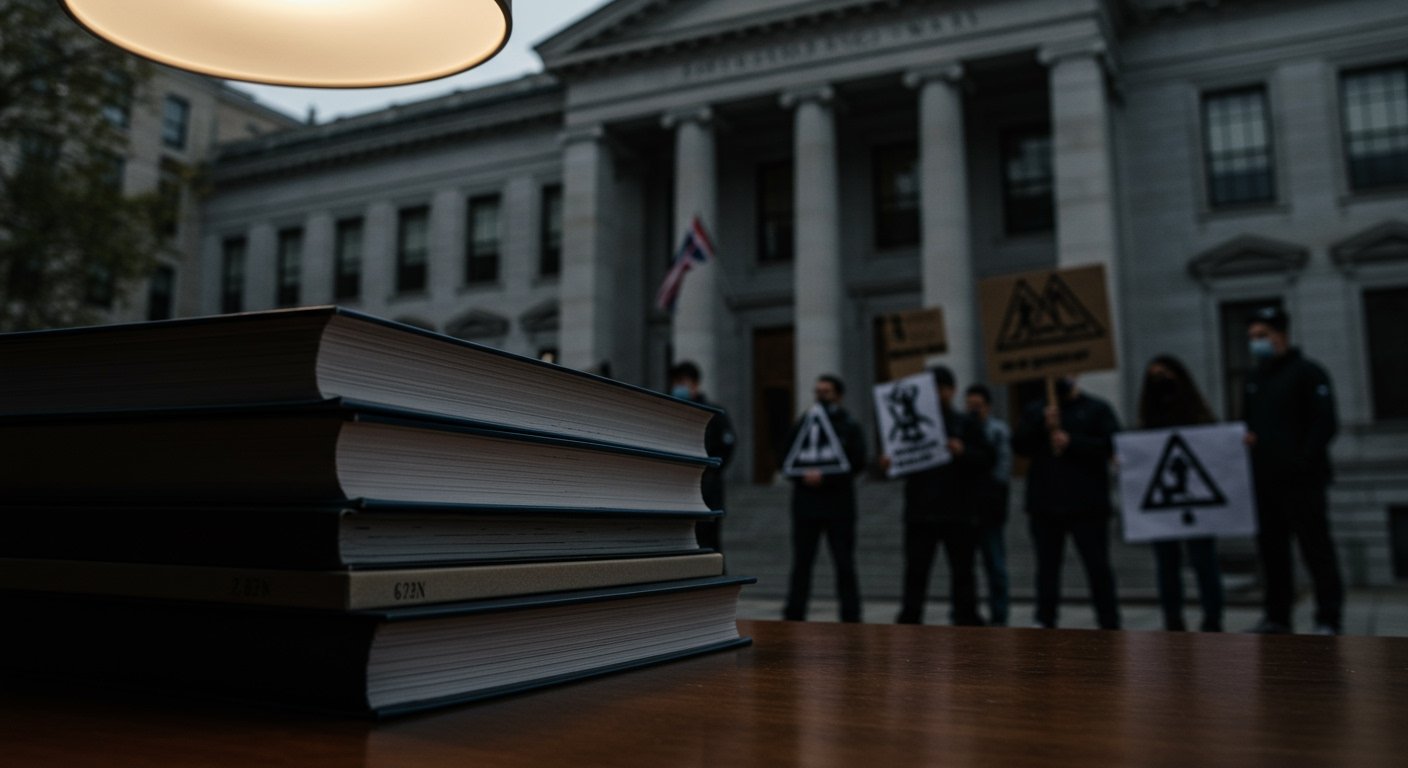

The ‘No Kings’ movement, a coalition of progressive and left-leaning organizations including Indivisible, 50501, MoveOn, and the ACLU, orchestrated this large-scale mobilization. The slogan “No Kings” itself serves as a core tenet, emphasizing that the United States rejects monarchical rule and absolute authority. Organizers stated that the protests were a direct response to President Donald Trump’s perceived “authoritarian excesses and corruption,” a sentiment that has grown significantly during his second term. This event marked the second major nationwide “No Kings” day of action, following a similarly large protest on June 14, 2025, which coincided with Trump’s birthday and a U.S. Army anniversary parade.
An Unprecedented Scale of Dissent
Estimates suggest that approximately seven million people participated in the October 18 rallies, marking it as potentially the largest single-day political demonstration in modern U.S. history. Protests ranged from bustling metropolitan centers like New York City, Los Angeles, and Chicago, to smaller towns and rural communities across the American heartland, and even occurred near Trump’s Mar-a-Lago residence in Florida. The sheer geographic breadth of the demonstrations underscored a widespread national discontent with the administration’s direction.
Core Grievances Fueling the Protests
Participants voiced strong objections to a range of policies and actions. Central among these were concerns over the administration’s hardline immigration policies, including increased ICE raids and the deployment of federal troops in various cities, which demonstrators argued were conducted without due process and often militaristically. Protesters also decried Trump’s rhetoric and actions against political opponents, the media, and perceived threats to democratic institutions. The ongoing government shutdown, which had entered its third week, was also a focal point for many, symbolizing governmental dysfunction and the testing of constitutional checks and balances. The movement highlighted a deep-seated fear of sliding towards autocracy, with many carrying signs championing democracy and condemning “strongman politics”.
A Tapestry of American Voices
The rallies were characterized by their diversity and creativity. While largely peaceful, the atmosphere at many locations resembled a street party, featuring marching bands, music, and inventive displays of dissent. Among the notable visual elements were a giant balloon depicting Trump in a nappy in Los Angeles, flags referencing popular culture, and participants wearing costumes ranging from frogs to dinosaurs. Signs carried slogans such as “No Kings, No Fascists,” “Resist Fascism,” and “Nothing is more patriotic than protesting,” reflecting a broad spectrum of concerns from constitutional rights to immigration reform. Many participants expressed a profound love for their country and a commitment to defending its democratic foundations.
Reactions and the Significance of Mobilization
The massive turnout drew a mixed reaction. Republican leaders and allies of President Trump often dismissed the protests, with some labeling them “Hate America” rallies and accusing organizers of being anti-American or paid agitators. Trump himself, speaking from his Mar-a-Lago residence, stated, “They say they’re referring to me as a king. I’m not a king”. However, Democratic leaders, including Senators Bernie Sanders and Chuck Schumer, voiced support, framing the protests as a vital expression of American democracy and patriotism. While these demonstrations may not have immediately altered policy, experts suggest such large-scale mobilizations can embolden elected officials and signal significant public sentiment. The “No Kings” movement has become a prominent trending topic, contributing powerful new stories to the ongoing American discourse on governance and rights.
The “No Kings” rallies represent a significant moment in contemporary American activism, showcasing the power of collective action in response to perceived threats to democracy and liberty. As the nation navigates a period of intense political division, these demonstrations underscore a strong desire among millions of American citizens to uphold democratic principles and ensure that power remains with the people.