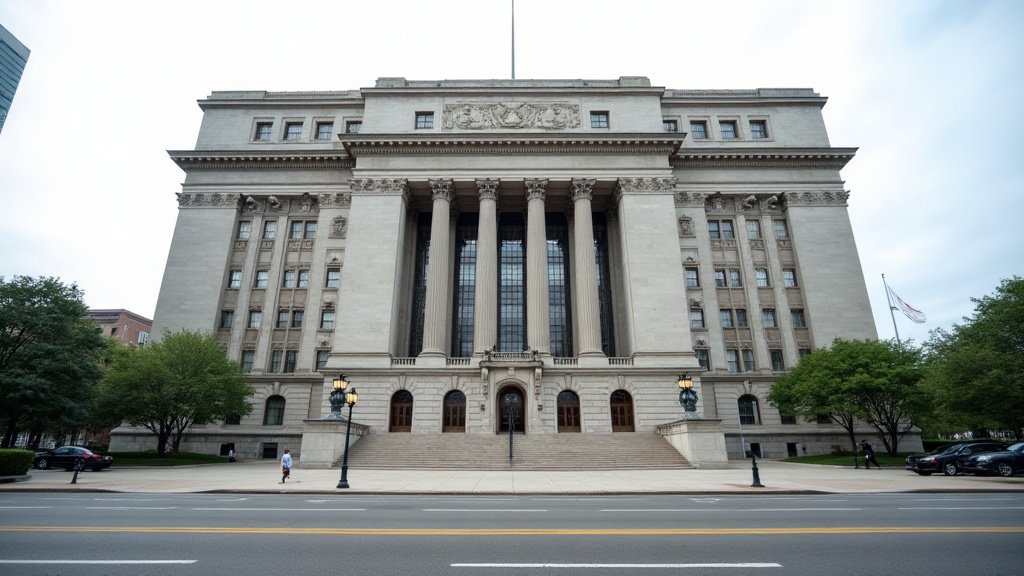

In a decisive display of political polarization, the U.S. Senate has confirmed the President’s controversial nominee for Secretary of Labor in a narrow 51-49 vote. The confirmation marks the conclusion of a heated legislative battle that has spanned months, reflecting deeper divisions regarding the future of American labor rights, unionization efforts, and the regulatory reach of the Department of Labor (DOL). With this confirmation now secured, the new cabinet member is prepared to assume immediate control over federal oversight of wage standards, workplace safety, and the evolving dynamics of the gig economy.
Key Highlights
- Final Tally: The 51-49 vote highlights the razor-thin margin of support, underscoring significant bipartisan opposition to the nominee’s past regulatory stances.
- Regulatory Shift: The new Secretary is expected to immediately prioritize initiatives centered on strengthening union influence and expanding the definition of employee classification.
- Heated Process: The path to confirmation involved exhaustive vetting by the Senate Committee on Health, Education, Labor, and Pensions (HELP), which surfaced intense disagreements over the nominee’s economic philosophy.
- Immediate Mandate: The Secretary will face the dual challenge of navigating a hostile legislative climate while managing pressure from stakeholders to address persistent wage stagnation.
The Anatomy of a Contested Confirmation
The confirmation of a Secretary of Labor is rarely a frictionless event, but this 51-49 vote stands out as a bellwether for the administration’s legislative reach. To understand the gravity of this result, one must examine the role of the Department of Labor (DOL) in the broader U.S. economic ecosystem. The DOL is not merely a bureaucratic entity; it is the primary arbiter of the relationship between capital and labor. When the Senate confirms an ideological choice for this role, they are effectively setting the agenda for the next four years of workplace regulation.
The Ideological Divide
During the confirmation hearings, the central point of contention focused on the nominee’s aggressive stance on labor regulations. Proponents argued that the nominee is a necessary corrective to decades of erosion in worker protections. They pointed to the rising cost of living and the need for federal intervention to ensure fair wages and safe working conditions. Conversely, opponents in the Senate—and groups representing the U.S. Chamber of Commerce—raised alarms about the potential for regulatory overreach. They argued that the nominee’s approach to unionization and independent contractor status could stifle the flexibility that drives modern American innovation. This tension was the bedrock of the 51-49 split.
Impact on the Modern Workplace


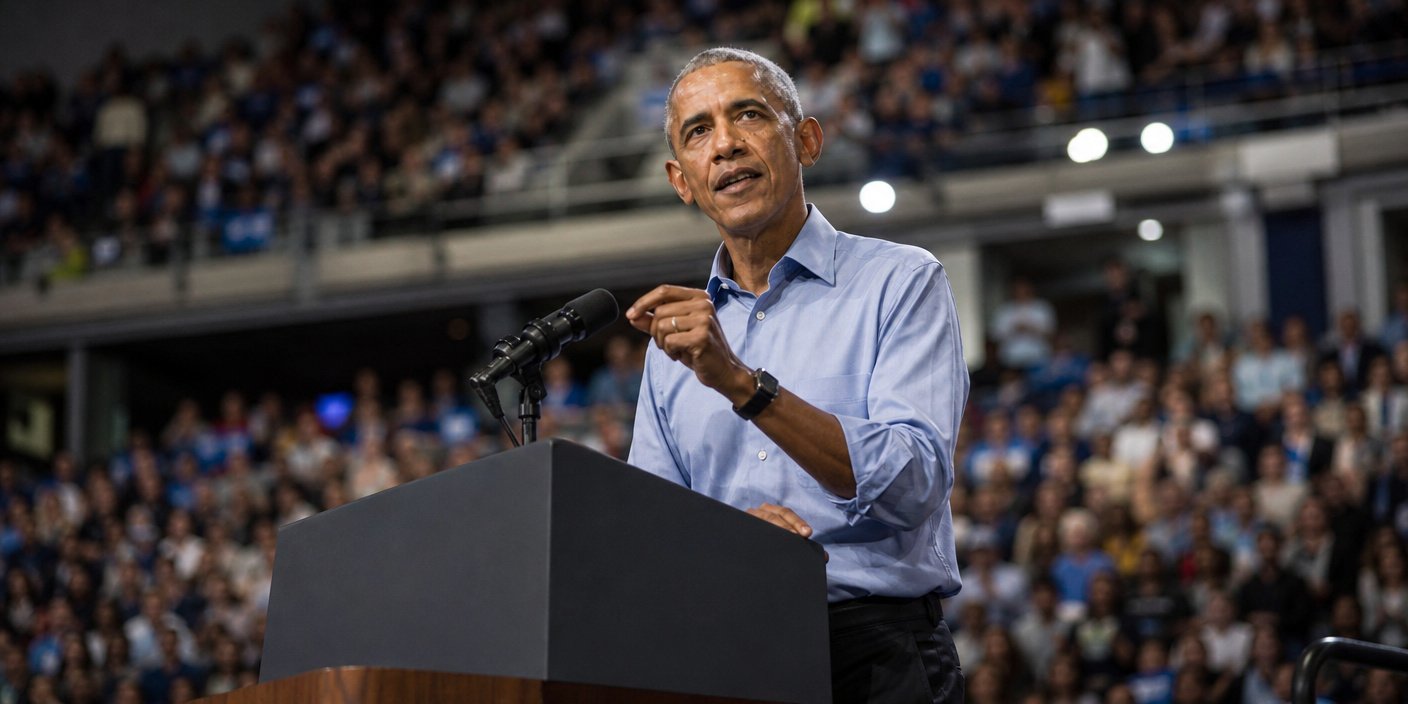
With the confirmation finalized, the focus shifts to policy implementation. The new Secretary faces a rapidly changing labor market. The rise of the gig economy has left millions of workers in a legal grey area, and the DOL under this new leadership is expected to move quickly to reclassify many of these workers as full employees. This move, while popular with labor unions, faces potential legal challenges from major platform companies. The Secretary must navigate these legal minefields while simultaneously managing federal grant programs, apprenticeship initiatives, and vocational training—all of which require delicate cooperation with the private sector.
Historical Context and Precedents
It is worth noting that cabinet confirmations have become increasingly contentious over the past two decades. We are witnessing a clear departure from the historical norm of granting presidents broad deference in choosing their cabinet. This 51-49 vote follows a trend where key economic appointments are treated as proxy battles for the President’s entire policy agenda. Unlike confirmations in the 1990s or early 2000s, which were often conducted with overwhelming bipartisan support, today’s landscape forces every nominee into the crucible of partisan loyalty tests. The new Secretary of Labor enters the office with a mandate that is statistically deep, but politically fragile.
Strategic Challenges Ahead
Looking to the future, the Secretary will need to balance the radical expectations of the base with the economic realities of a cooling job market. If the regulatory moves are too aggressive, they risk alienating moderate business interests; if they are too tepid, the Secretary risks losing the support of the very coalitions that fought for their confirmation. The 51-49 margin provides the Secretary with the authority to govern, but it provides very little political capital for legislative mistakes. Every regulatory rule, every press release, and every public statement will be scrutinized by an opposition party eager to leverage the thinness of this victory to block future agency directives.
FAQ: People Also Ask
Q: What does the 51-49 vote signify for labor unions?
A: The narrow confirmation suggests that while the administration has the power to enact pro-union policies, they will likely face significant legislative pushback and intense judicial scrutiny regarding any regulatory changes that favor organized labor.
Q: Why was this specific nominee considered controversial?
A: The controversy stemmed largely from the nominee’s history of advocating for aggressive labor enforcement and their previous critiques of the ‘gig economy’ business model, which many business groups viewed as a threat to economic flexibility.
Q: How does the Department of Labor impact the average American worker?
A: The DOL manages vital functions including minimum wage enforcement, overtime regulations, workplace safety (OSHA), and unemployment insurance programs, directly influencing daily workplace rights and economic security.
Q: Will this confirmation lead to new federal laws?
A: Not necessarily new legislation, as the Secretary cannot pass laws; however, they can issue new rules and regulations via the Department of Labor that have the force of law until challenged or overturned in court.