The California Arts Council (CAC) has officially announced its 2026-27 state arts grantees, deploying a staggering $39 million to support a diverse cohort of more than 1,700 organizations. This massive injection of capital marks a seminal moment in the agency’s history, commemorating 50 years of dedicated state investment in California’s vibrant cultural infrastructure. By prioritizing both long-standing cultural institutions and emerging community-based collectives, the CAC aims to fortify the creative sector against economic volatility while fostering local engagement.
Key Highlights
- Record Investment: Over $39 million in total state funding allocated for the 2026-27 fiscal cycle.
- Unprecedented Reach: More than 1,700 unique organizations received funding, reflecting the agency’s commitment to broad geographic and demographic distribution.
- Golden Anniversary: The announcement coincides with the 50th year of the California Arts Council, celebrating half a century of state-supported cultural growth.
- Economic Catalyst: Grants are designed to stimulate local economies, sustain arts-related jobs, and provide essential programming for underserved populations.
Fueling the Creative Economy: A Golden Anniversary Investment
The announcement of the 2026-27 grantees is not merely a bureaucratic distribution of funds; it is a strategic maneuver by the California Arts Council to solidify the state’s position as a global cultural powerhouse. Over the past five decades, the CAC has evolved from a nascent state agency into a critical lifeline for non-profits, museums, theaters, and community art centers. This latest round of funding is particularly crucial as the sector navigates a post-pandemic landscape defined by shifting audience behaviors and inflationary pressures.
A Legacy of Cultivating Resilience
To understand the magnitude of this $39 million investment, one must look at the historical context of the CAC. Since its inception in 1976, the Council has fought to prove that art is not a luxury, but an essential component of public health, education, and economic development. By funding over 1,700 organizations, the Council has effectively created a safety net that spans from the dense urban corridors of Los Angeles and San Francisco to the rural counties of the North State and the Central Valley. The 2026-27 grantees represent a diverse mix: legacy symphonies that have operated for decades are receiving funds alongside grassroots mural programs and youth digital media workshops. This diversity of portfolio is the Council’s most effective tool for ensuring that California’s cultural identity remains inclusive and representative of its shifting demographics.
The Mechanics of the Grant Process
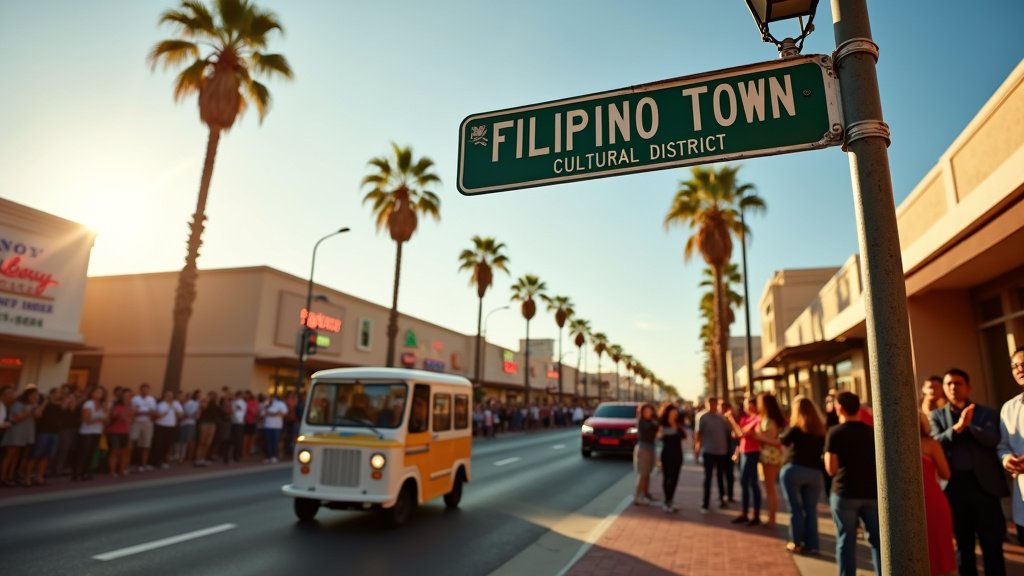



Selection for the 2026-27 cycle was more competitive than ever. The process involved a rigorous peer-review panel composed of artists, administrators, and community leaders who evaluated applicants based on three core pillars: artistic merit, organizational capacity, and community impact. The CAC utilized a new, streamlined application portal this year, designed to reduce the administrative burden on smaller, volunteer-run organizations. This shift in operational strategy allowed the Council to reach a record number of first-time recipients—organizations that previously lacked the resources to navigate state-level bureaucracy. This specific focus on equity in access ensures that the $39 million is not just concentrated in well-funded elite institutions but is truly distributed throughout the state’s socio-economic spectrum.
Arts as an Economic Engine
Secondary to the cultural benefit is the undeniable economic impact. The creative economy is a significant driver of California’s GDP. Every dollar granted by the CAC acts as a multiplier, allowing non-profits to leverage state funds to secure private donations, federal grants from the National Endowment for the Arts (NEA), and foundation support. By funding these 1,700+ organizations, the state is effectively subsidizing thousands of jobs—ranging from stage technicians and gallery curators to music teachers and graphic designers. This funding cycle acknowledges that when arts organizations are stable, local businesses in their orbit, such as hospitality and retail, see increased foot traffic and sustained patronage. The ‘creative multiplier’ effect is a central tenet of the Council’s current five-year plan, and the 2026-27 grants serve as the primary fuel for this growth engine.
Future-Proofing Culture
Looking forward, the 2026-27 grant recipients are being encouraged to integrate sustainable practices into their programming. This includes everything from green energy upgrades for aging performance spaces to the adoption of digital technologies that can expand the reach of performances beyond physical walls. As the California Arts Council enters its second half-century, the focus is clearly on longevity. The goal is to move from simply ‘surviving’ the funding cycle to ‘thriving’ in a competitive digital landscape. By providing these grants, the state is making a long-term bet on the resiliency of the human spirit and the power of artistic expression to heal, educate, and unify. This investment is not just a celebration of the past 50 years; it is a down payment on the next 50.
FAQ: People Also Ask
How does the California Arts Council select its grantees?
Grantees are selected through a competitive, multi-stage peer-review process. Panels consisting of diverse cultural experts, artists, and community members evaluate applications based on specific criteria, including organizational health, equity, and artistic innovation. Final recommendations are then approved by the Council members in a public meeting.
Can individuals apply for these grants?
While the majority of the $39 million is directed toward non-profit organizations and government entities, the CAC also manages specific fellowship programs for individual artists. Applicants are encouraged to check the specific guidelines for each grant category, as eligibility requirements vary significantly between institutional grants and individual fellowships.
What is the primary purpose of the 2026-27 funding cycle?
This cycle focuses on long-term sustainability, geographic equity, and digital expansion. The Council aimed to reach a broader cross-section of the state, particularly rural and underserved urban areas that have historically been underfunded, while also supporting organizations in upgrading their infrastructure to meet modern audience expectations.
How long do the grantees have to spend the funds?
The grant period typically spans the 2026-27 fiscal year. Organizations are required to report on their spending and impact metrics at the conclusion of the grant cycle, ensuring that taxpayer funds are utilized effectively and transparently in accordance with state guidelines.