Skip to content
Trending
April 1, 2025US Health Agencies Face Mass Job Cuts Amid New Trump Administration Tariffs April 17, 2026FAA Slashes O’Hare Flights: Summer Travel Overhaul September 17, 2025Trump Announces Framework Deal to Keep TikTok Operating in USA, Averting Ban February 19, 2026Global Headlines: Jesse Jackson Dies at 84, US Troops Exit Syria, Nigeria Mine Blast Claims 38 Lives March 27, 2026Senate Clears DHS Budget: Airport Shutdown Averted April 23, 2026CMS Scraps Medicare Part D BALANCE Model Amid PBM Pushback September 4, 2025American Values Evolve: Shifting Moral Acceptance and Widening Political Divides Shape Society August 2, 2025Elon Musk Unveils ‘Imagine’ Feature in Grok AI, Challenging OpenAI and Google in Text-to-Video Technology September 4, 2025The Top Story: Trump Administration’s “Single Largest Attack” on American Unions Strips Collective Bargaining Rights for a Million Federal Workers October 15, 2025US Revokes Six Visas for Celebrating Slain Activist Charlie Kirk’s Death Amidst Social Media Crackdown
  • Home
  • Top Stories
  • National News
  • Health
  • Business
  • Tech & Innovation
  • Entertainment
  • Politics
  • Culture & Society
  • Crime & Justice
  • Editorial
  • Home
  • Top Stories
  • National News
  • Health
  • Business
  • Tech & Innovation
  • Entertainment
  • Politics
  • Culture & Society
  • Crime & Justice
  • Editorial
  • Blog
  • Forums
  • Shop
  • Contact
  Politics  America’s Evolving Global Stance: How Trump’s Legacy and Rising Figures Signal a Policy Shift
Politics

America’s Evolving Global Stance: How Trump’s Legacy and Rising Figures Signal a Policy Shift

Maya TorresMaya Torres—April 11, 20254
FacebookX TwitterPinterestLinkedInTumblrRedditVKWhatsAppEmail

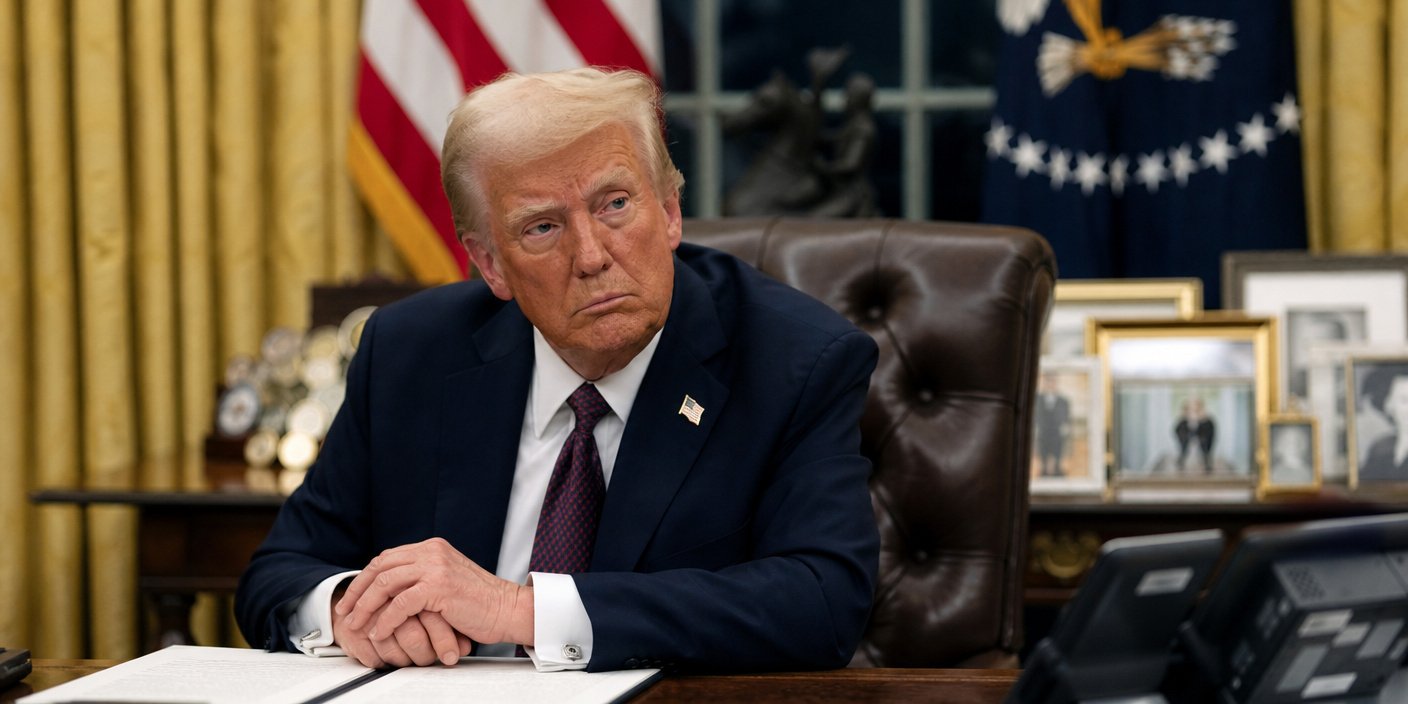
A significant ideological and strategic realignment appears to be underway within the United States, a shift increasingly influenced by the enduring legacy of former President Donald Trump. This transformation, examined in detail by the Royal United Services Institute (RUSI), is not confined to the former president himself but is being embraced and amplified by a new generation of figures positioning themselves for future leadership.

The Trumpian Blueprint for 2028 and Beyond

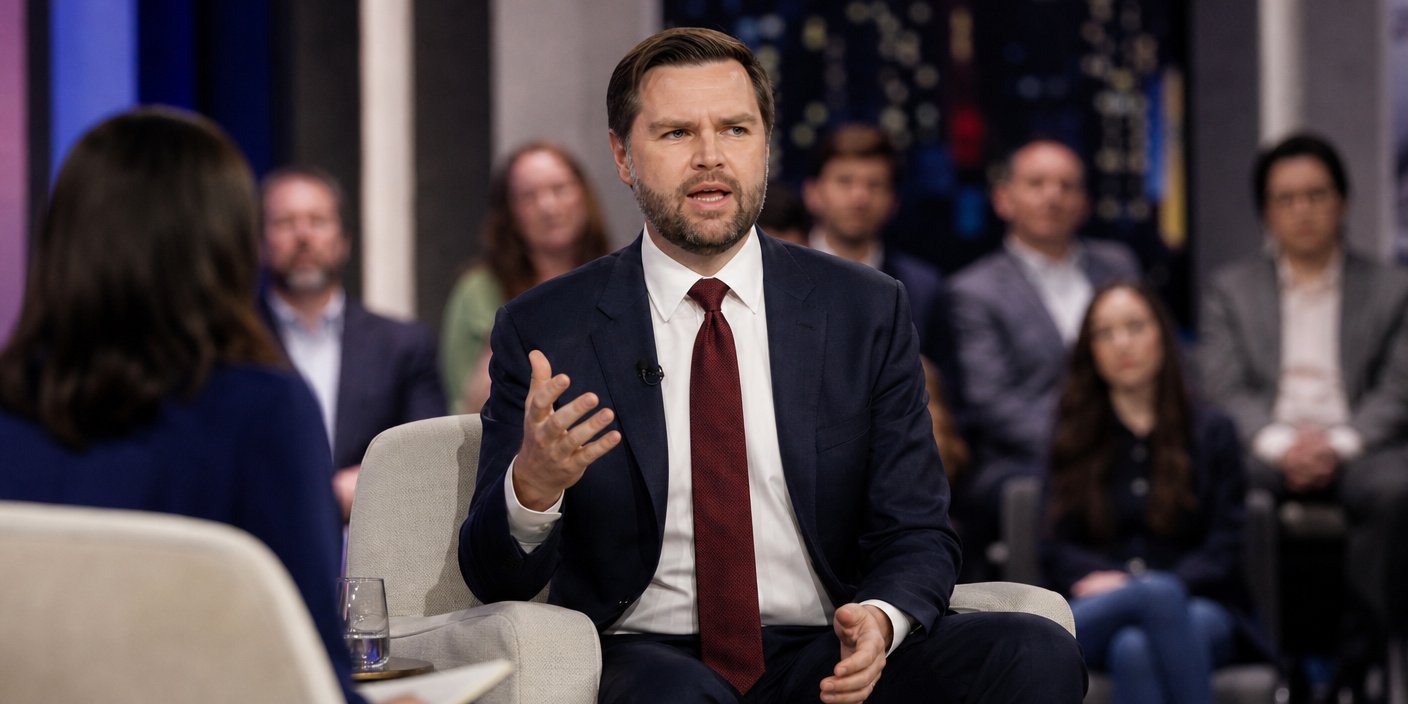
Central to this emerging trend are individuals like J.D. Vance, the Ohio Senator. Vance, who has received notable backing from tech entrepreneur Peter Thiel and was recently referred to by Elon Musk as “the next president of the United States,” is actively cultivating an image as a potential successor for 2028. His approach involves adopting core tenets of Trumpian ideology, signalling a potential departure from traditional Republican foreign policy stances.

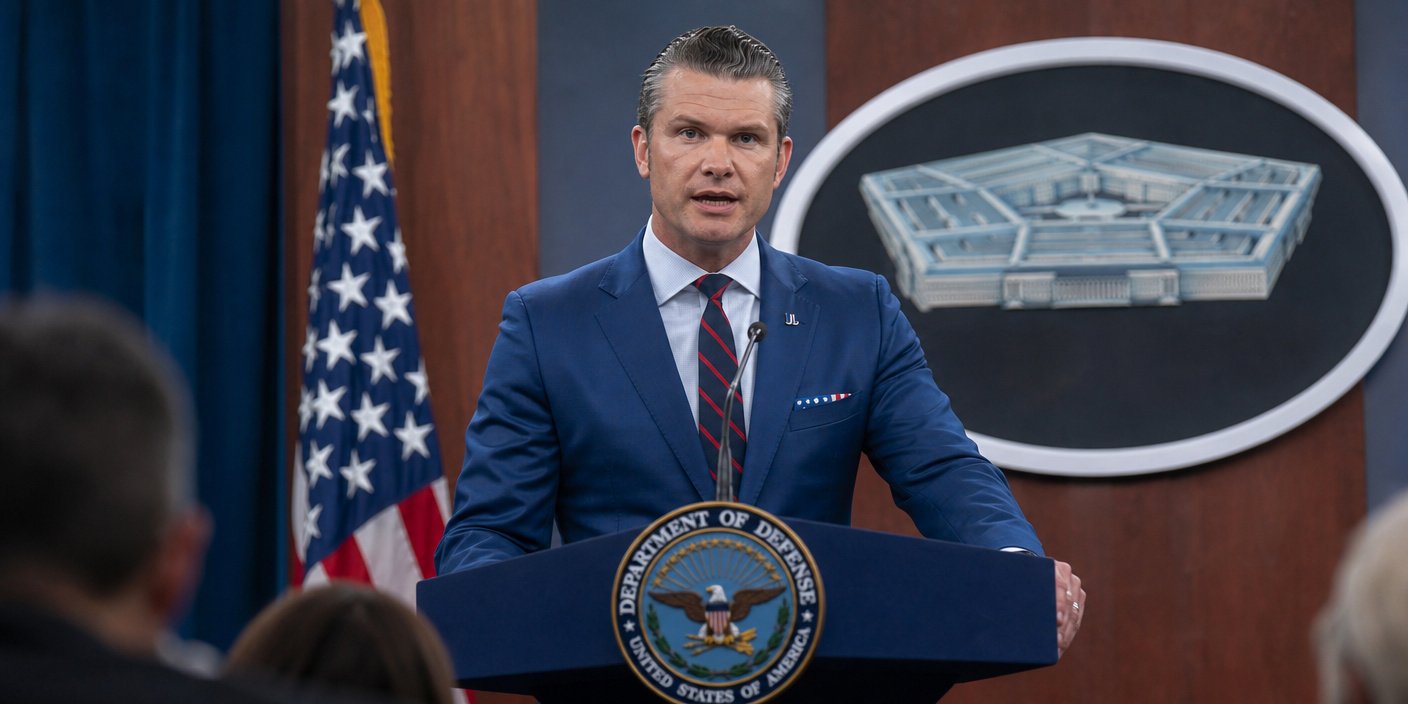
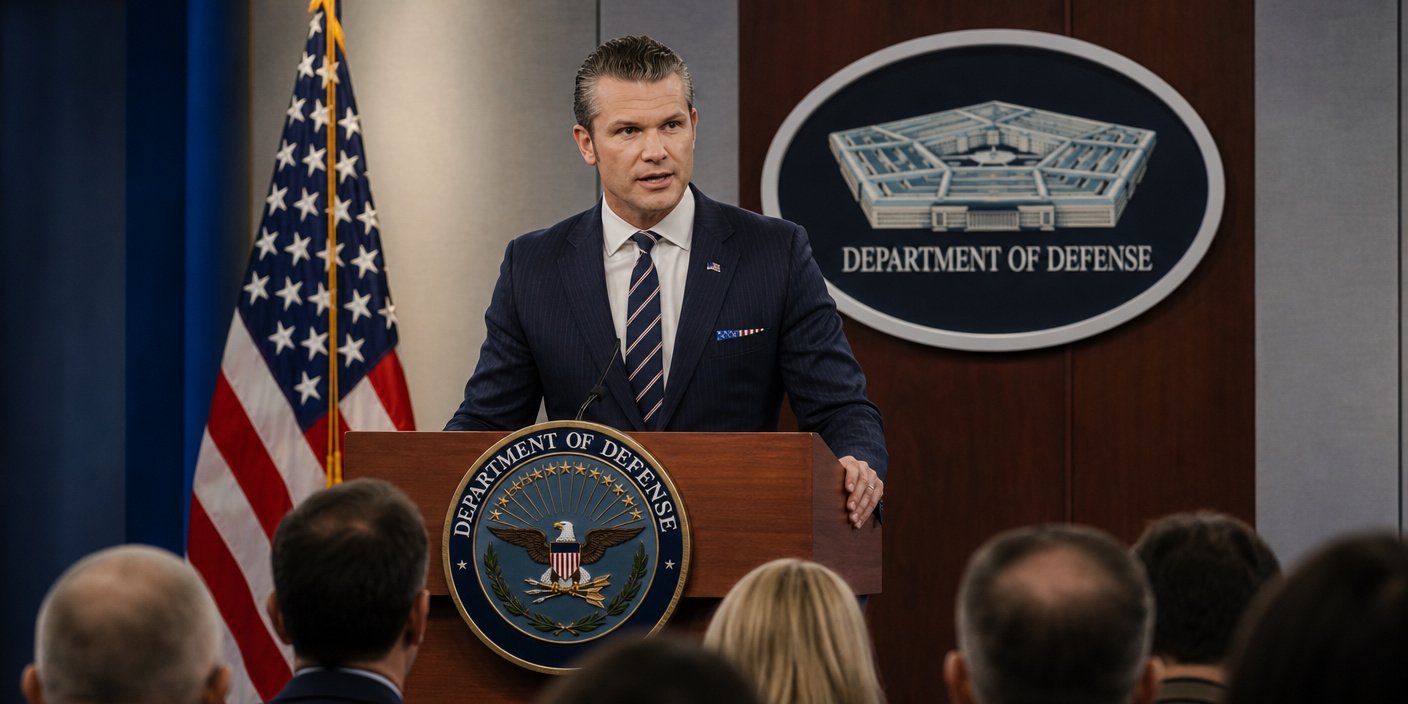
These embraced ideals include a marked skepticism of long-standing alliances, a hardened anti-immigration posture, palpable hostility towards free trade agreements, and a critique of American military engagement framed as detrimental to the economic well-being of the working class. These positions, echoed by other figures who served in or aligned with the Trump administration, such as Peter Hegseth, suggest a deeper, potentially more lasting shift in the party’s orientation.

Shifting Public Opinion on Foreign Aid

More stories

Vance Promotes Economic Benefits of ‘One Big, Beautiful Bill’ in Pennsylvania

July 16, 2025

US Government Shutdown Shatters Record: 38 Days of Stalemate Wreak Havoc on American Lives

November 7, 2025

Nationwide ‘Hands Off’ Protests Erupt Across US Against Trump Tariffs and Policies on April 6, 2025

April 6, 2025

Supreme Court Birthright Citizenship Fight Escalates

April 1, 2026

The evolving political landscape coincides with discernible changes in American public perceptions regarding international engagement and foreign policy priorities. Polling data provides crucial insight into these shifts.

For instance, approximately two-thirds of Americans believe that cutting funding for the U.S. Agency for International Development (USAID) would likely lead to increased death or humanitarian crises in other parts of the world. Simultaneously, nearly half of those polled think that redirecting such funds would result in more money being available for domestic issues or contribute to deficit reduction. Despite these views on redirection, most Americans still express opposition to entirely eliminating humanitarian aid. Interestingly, the public tends to overestimate the current level of U.S. spending on such assistance.

Diverging Priorities: Security vs. Values

Analysis of public opinion reveals a hierarchy of foreign policy concerns that cuts across partisan lines, although with differing levels of intensity. Core American preoccupations, broadly shared by both Democrats and Republicans, centre on tangible security threats and economic interests. These include the prevention of terrorism, preventing nuclear proliferation, securing reliable energy supplies, and promoting favorable trade policies that benefit the United States.

In contrast, values-based initiatives consistently rank lower in priority. Providing humanitarian assistance, building democracies abroad, and fostering economic development in other nations are seen as less urgent concerns for the average American. While these objectives receive more support from Democrats than Republicans, they do not command the same broad, cross-party consensus as the security and economic priorities.

Navigating Support for Alliances

Despite the rise of voices skeptical of international commitments, public support for defending allies’ security remains notable, albeit not overwhelming. Small majorities express support for this principle generally (58%) and specifically for defending Ukraine (50%). Furthermore, there is continued approval for working through multilateral bodies like the United Nations (UN) and the North Atlantic Treaty Organization (NATO), with around 60% of Americans approving of such cooperation.

This data presents a complex picture: while a segment of the political elite, influenced by Trump’s legacy, advocates for a more isolationist or transactional foreign policy, the American public retains a degree of support for alliances and multilateral engagement. However, this support is not unconditional and appears balanced against domestic concerns and perceived core interests like counter-terrorism and economic security.

Implications for Global Partners

The trends identified by RUSI and reflected in polling data signal a potential recalibration of America’s role on the world stage. For traditional allies, particularly in Europe, understanding this evolving political dynamic and public sentiment is crucial. The potential rise of leaders deeply influenced by Trump’s “America First” approach, coupled with public priorities that sometimes favour domestic concerns over international aid and values-based initiatives, presents a clear challenge to the status quo of transatlantic relations and global cooperation. Navigating this shifting landscape will require careful diplomacy and a deep understanding of the new currents shaping American foreign policy.
author avatar
Maya Torres
See Full Bio
FacebookX TwitterPinterestLinkedInTumblrRedditVKWhatsAppEmail

Maya Torres

US Justice Department Shifts Strategy: Seeks Deportation of Alleged MS-13 East Coast Leader Less Than a Month After Charging
China Slaps 125% Tariff on US Goods as Trade War Deepens Following US Rate Hike
Related posts
  • Related posts
  • More from author
Politics

US Moves to Block Chinese ‘AI Distillation’ Theft

April 24, 20260
Politics

US Halts Dollar Shipments to Iraq in Militia Crackdown

April 22, 20260
Politics

US Navy Intercepts Iranian Vessel in Gulf of Oman Standoff

April 20, 20260
Load more
Read also
Top Stories

WHCD Shooter Identified: ‘Friendly Federal Assassin’ Allegations Surface

April 26, 20260
Editorial

Trump Calls for Unity Following White House Security Breach

April 26, 20260
Top Stories

Trump Deploys Kushner, Witkoff for High-Stakes Iran Talks

April 25, 20260
Culture & Society

Rooted in Community: Linda Vista Celebrates 41st Annual Multicultural Fair

April 25, 20260
Top Stories

Tensions Peak: US, Israel, and Iran Strategic Standoff

April 24, 20260
Politics

US Moves to Block Chinese ‘AI Distillation’ Theft

April 24, 20260
Load more

Recent Posts

  • WHCD Shooter Identified: ‘Friendly Federal Assassin’ Allegations Surface
  • Trump Calls for Unity Following White House Security Breach
  • Trump Deploys Kushner, Witkoff for High-Stakes Iran Talks
  • Rooted in Community: Linda Vista Celebrates 41st Annual Multicultural Fair
  • Tensions Peak: US, Israel, and Iran Strategic Standoff

Recent Comments

No comments to show.
Social networks
FacebookLikes
X TwitterFollowers
PinterestFollowers
InstagramFollowers
YoutubeSubscribers
VimeoSubscribers
Popular categories
  • Top Stories528
  • National News296
  • Editorial264
  • Business252
  • Politics249
  • Crime & Justice234
  • Entertainment230
  • Health202
  • Tech & Innovation194
  • Culture & Society190
  • Uncategorized2

WHCD Shooter Identified: ‘Friendly Federal Assassin’ Allegations Surface

April 26, 2026

Trump Calls for Unity Following White House Security Breach

April 26, 2026

Trump Deploys Kushner, Witkoff for High-Stakes Iran Talks

April 25, 2026

Rooted in Community: Linda Vista Celebrates 41st Annual Multicultural Fair

April 25, 2026

Tensions Peak: US, Israel, and Iran Strategic Standoff

April 24, 2026

Awards Season Culminates: Previewing the 97th Academy Awards and Weekend Entertainment Options

4534 Comments

S&P 500 Nears Record as Nasdaq Hits Three-Week High; Major Indexes Post Strong Weekly Gains on February 14, 2025

779 Comments

Google Introduces Premium AI Ultra Subscription Globally: Advanced Capabilities and Pricing Details Emerge

771 Comments

Trump Rallies GOP on Capitol Hill Amidst Doubt for Sweeping Domestic Policy Bill

582 Comments

Future of Telecom: How AI and 5G Convergence is Driving Innovation

542 Comments
    © Copyright 2025, All Rights Reserved
    • About
    • Privacy
    • Contact