Skip to content
Trending
December 4, 2025Virginia Brothers Arrested in Scheme to Destroy U.S. Government Databases August 4, 2025Crossfire of Accusations: Ukraine and Russia Trade Blame Amid Escalating Weekend Attacks January 25, 2026WHO Regrets US Exit: Global Health Body Faces Uncertain Future December 30, 2025Federal Judges Face Scrutiny Amid Bullying Allegations From Law Clerks April 6, 2025Trump’s Trade War Intensifies Amidst Government Workforce Cuts and Rising Economic Concerns January 12, 2026USA Weighs ‘Very Strong Options’ for Iran; Fed Chair Powell Faces Criminal Probe Amid Independence Concerns April 19, 2025Trump Administration Targets Harvard Over Protests, Sparking Higher Education Concerns April 14, 2025Breakthrough Antibiotic ‘Gepotidacin’ Highly Effective Against Gonorrhea, Including Resistant Strains, Study Reveals October 24, 2025Trump Halts Canada Trade Talks Amid Reagan Ad Dispute; Vance Rejects West Bank Annexation April 4, 2025Stock Markets Worldwide Plunge Amid Escalating US-China Tariff War; Nasdaq Enters Bear Market
  • Home
  • Top Stories
  • National News
  • Health
  • Business
  • Tech & Innovation
  • Entertainment
  • Politics
  • Culture & Society
  • Crime & Justice
  • Editorial
  • Home
  • Top Stories
  • National News
  • Health
  • Business
  • Tech & Innovation
  • Entertainment
  • Politics
  • Culture & Society
  • Crime & Justice
  • Editorial
  • Blog
  • Forums
  • Shop
  • Contact
  Politics  Supreme Court Birthright Citizenship Fight Escalates
Politics

Supreme Court Birthright Citizenship Fight Escalates

Autumn LiAutumn Li—April 1, 20260
FacebookX TwitterPinterestLinkedInTumblrRedditVKWhatsAppEmail

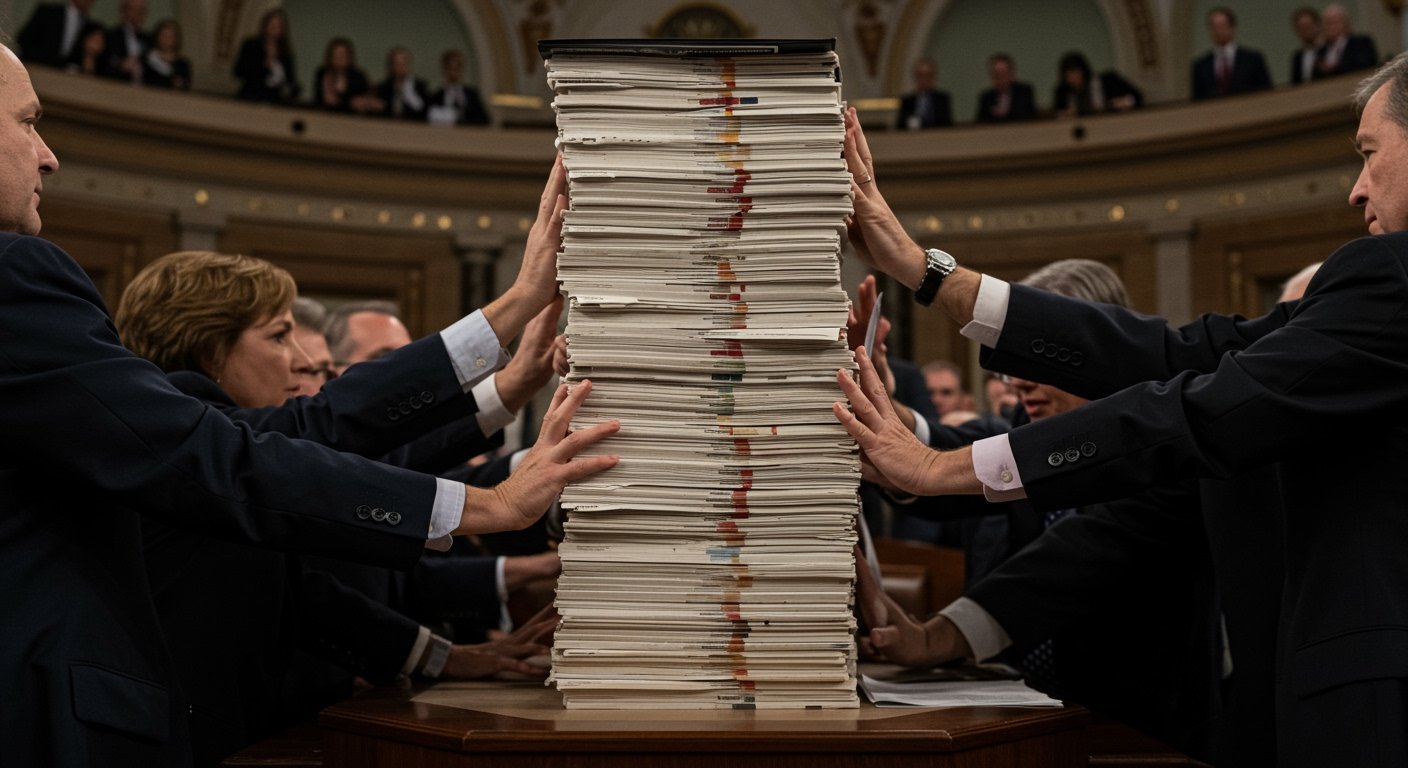
The U.S. Supreme Court is currently navigating a high-stakes legal battle centered on executive attempts to curtail birthright citizenship, a cornerstone of American constitutional law established under the 14th Amendment. As the justices weigh the scope of presidential authority against longstanding protections, the proceedings have sparked a fierce debate regarding the fundamental definition of citizenship in the United States.

The Legal Core of the Dispute

The heart of the conflict lies in the interpretation of the Citizenship Clause of the 14th Amendment, which states that all persons born or naturalized in the United States, and subject to the jurisdiction thereof, are citizens. For decades, this has been broadly understood to grant citizenship to virtually everyone born on U.S. soil, regardless of their parents’ immigration status. However, recent legal challenges have attempted to redefine the phrase ‘subject to the jurisdiction thereof’ to exclude children of undocumented immigrants, effectively seeking to provide the executive branch with the power to limit these constitutional protections through administrative action.
More stories

Defiant Politics Mark Conclusion of World Pride 2025 Rally on National Mall

June 8, 2025

Trump Signs GENIUS Act, Ushering in Stablecoin Regulations and Boosting Digital Asset Firms

July 18, 2025

Trump Escalates LA Response: Sends Marines, Doubles National Guard Amid Intense Anti-ICE Protests, Sparks State Lawsuit

June 10, 2025

Culture War Escalates: Springsteen, Trump Trade Bitter Insults and Political Threats

May 20, 2025

Legal scholars and civil rights advocates argue that any attempt to erode this right would fundamentally alter the fabric of American society. They emphasize that the provision was specifically designed to ensure that citizenship is not subject to the shifting whims of political administrations. Conversely, proponents of these restrictive measures argue that the original intent of the amendment was not meant to confer automatic citizenship on children of those in the country illegally, and that the executive branch should hold broader authority to interpret immigration statutes in line with perceived national interests.

Constitutional Precedent and Judicial Review

The Supreme Court has long relied on the precedent set by the 1898 case United States v. Wong Kim Ark, which solidified the principle that birthright citizenship applies to children born on U.S. soil to foreign nationals. The current legal assault aims to bypass this established precedent by focusing on modern immigration statutes and the limits of executive power. The Court’s deliberations are critical, as any ruling could potentially invite further attempts to redefine constitutional rights through executive orders rather than legislative action.

Observers note that the judicial approach will likely hinge on the Court’s adherence to stare decisis versus a more originalist interpretation of the 14th Amendment. If the Court were to deviate from current precedent, it would represent a historic shift in U.S. immigration policy, likely triggering a cascade of secondary legal challenges regarding the status of millions of individuals currently living in the United States.

Broader Political Implications

This legal fight is deeply intertwined with the broader political climate surrounding U.S. immigration. The attempt to curtail birthright citizenship serves as a rallying point for those advocating for more restrictive immigration policies, while simultaneously acting as a lightning rod for those who view it as an unconstitutional expansion of executive authority. The outcome of this case will not only shape legal history but will also heavily influence the political discourse leading into future election cycles. As the nation watches, the Supreme Court is tasked with balancing these intense political pressures with its duty to uphold the Constitution’s original intent as it has been refined by over a century of legal interpretation.

FAQ: People Also Ask

What is birthright citizenship?

Birthright citizenship is the legal right of any person born within the territory of a country to acquire citizenship of that country, regardless of their parents’ citizenship or immigration status.

Why is the 14th Amendment relevant here?

The 14th Amendment to the U.S. Constitution includes the Citizenship Clause, which states that all persons born in the U.S. and subject to its jurisdiction are citizens.

What happens if the Supreme Court changes birthright citizenship?

A ruling against current interpretations would likely face immense constitutional challenges and could significantly impact the legal status of millions of people, creating profound uncertainty regarding the criteria for American citizenship.

author avatar
Autumn Li
Autumn Li covers the intersection of law and public policy, with a focus on regulatory frameworks and civil liberties. Her reporting for USA Sentinel explores the long-term consequences of executive decisions and judicial rulings on national stability. Autumn’s analytical approach helps demystify complex legal proceedings, making her a trusted voice for readers seeking clarity in a rapidly changing legal environment.
See Full Bio
FacebookX TwitterPinterestLinkedInTumblrRedditVKWhatsAppEmail

Autumn LiPublic Policy & Legal Analyst / USA Sentinel

Autumn Li covers the intersection of law and public policy, with a focus on regulatory frameworks and civil liberties. Her reporting for USA Sentinel explores the long-term consequences of executive decisions and judicial rulings on national stability. Autumn’s analytical approach helps demystify complex legal proceedings, making her a trusted voice for readers seeking clarity in a rapidly changing legal environment.

Unilever Denies $60bn Food Division Merger Rumors
Supreme Court Birthright Citizenship Claims Debunked
Related posts
  • Related posts
  • More from author
Politics

Democrats Rally for DEI: ‘Not Foreign, But American Values’

April 11, 20260
Politics

Trump’s $1.5T Defense Surge Hits Capitol Amid Iran Ceasefire

April 8, 20260
Politics

Trump Budget Plan: Massive Defense Hike Meets Domestic Cuts

April 6, 20260
Load more
Read also
Top Stories

Hungary at the Precipice: Orbán Faces Historic Election Challenge

April 12, 20260
Editorial

Stalled: Vance Exits Islamabad as High-Stakes Iran Talks Collapse

April 12, 20260
Top Stories

Vance Touches Down in Islamabad: High-Stakes Peace Talks Begin

April 11, 20260
Culture & Society

LouisvilleCon Returns: The Ultimate Pop Culture Hub

April 11, 20260
Top Stories

Democrats Defend DEI as ‘American Values’ at NAN Summit

April 11, 20260
Politics

Democrats Rally for DEI: ‘Not Foreign, But American Values’

April 11, 20260
Load more

Recent Posts

  • Hungary at the Precipice: Orbán Faces Historic Election Challenge
  • Stalled: Vance Exits Islamabad as High-Stakes Iran Talks Collapse
  • Vance Touches Down in Islamabad: High-Stakes Peace Talks Begin
  • LouisvilleCon Returns: The Ultimate Pop Culture Hub
  • Democrats Defend DEI as ‘American Values’ at NAN Summit

Recent Comments

No comments to show.
Social networks
FacebookLikes
X TwitterFollowers
PinterestFollowers
InstagramFollowers
YoutubeSubscribers
VimeoSubscribers
Popular categories
  • Top Stories515
  • National News291
  • Editorial259
  • Business248
  • Politics244
  • Crime & Justice230
  • Entertainment226
  • Health200
  • Tech & Innovation192
  • Culture & Society188
  • Uncategorized2

Hungary at the Precipice: Orbán Faces Historic Election Challenge

April 12, 2026

Stalled: Vance Exits Islamabad as High-Stakes Iran Talks Collapse

April 12, 2026

Vance Touches Down in Islamabad: High-Stakes Peace Talks Begin

April 11, 2026

LouisvilleCon Returns: The Ultimate Pop Culture Hub

April 11, 2026

Democrats Defend DEI as ‘American Values’ at NAN Summit

April 11, 2026

Awards Season Culminates: Previewing the 97th Academy Awards and Weekend Entertainment Options

4534 Comments

S&P 500 Nears Record as Nasdaq Hits Three-Week High; Major Indexes Post Strong Weekly Gains on February 14, 2025

779 Comments

Google Introduces Premium AI Ultra Subscription Globally: Advanced Capabilities and Pricing Details Emerge

771 Comments

Trump Rallies GOP on Capitol Hill Amidst Doubt for Sweeping Domestic Policy Bill

582 Comments

Future of Telecom: How AI and 5G Convergence is Driving Innovation

542 Comments
    © Copyright 2025, All Rights Reserved
    • About
    • Privacy
    • Contact