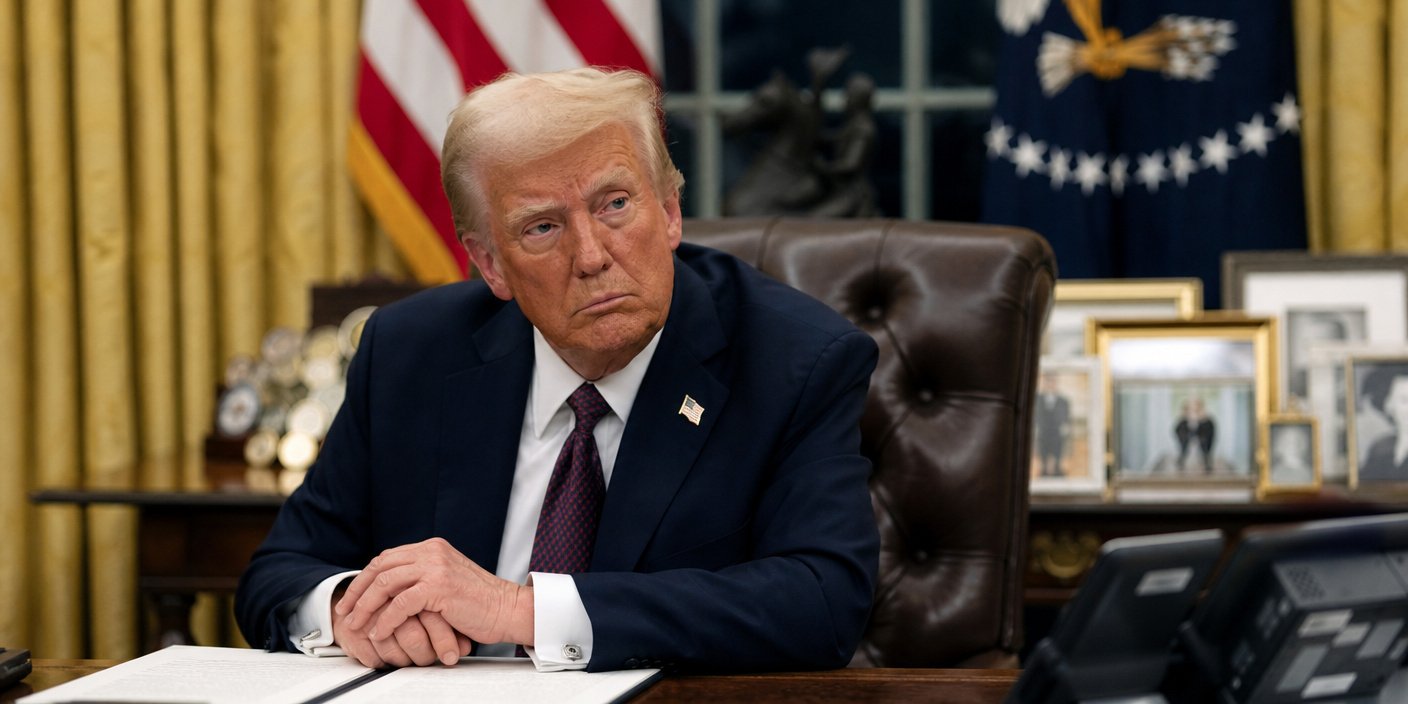
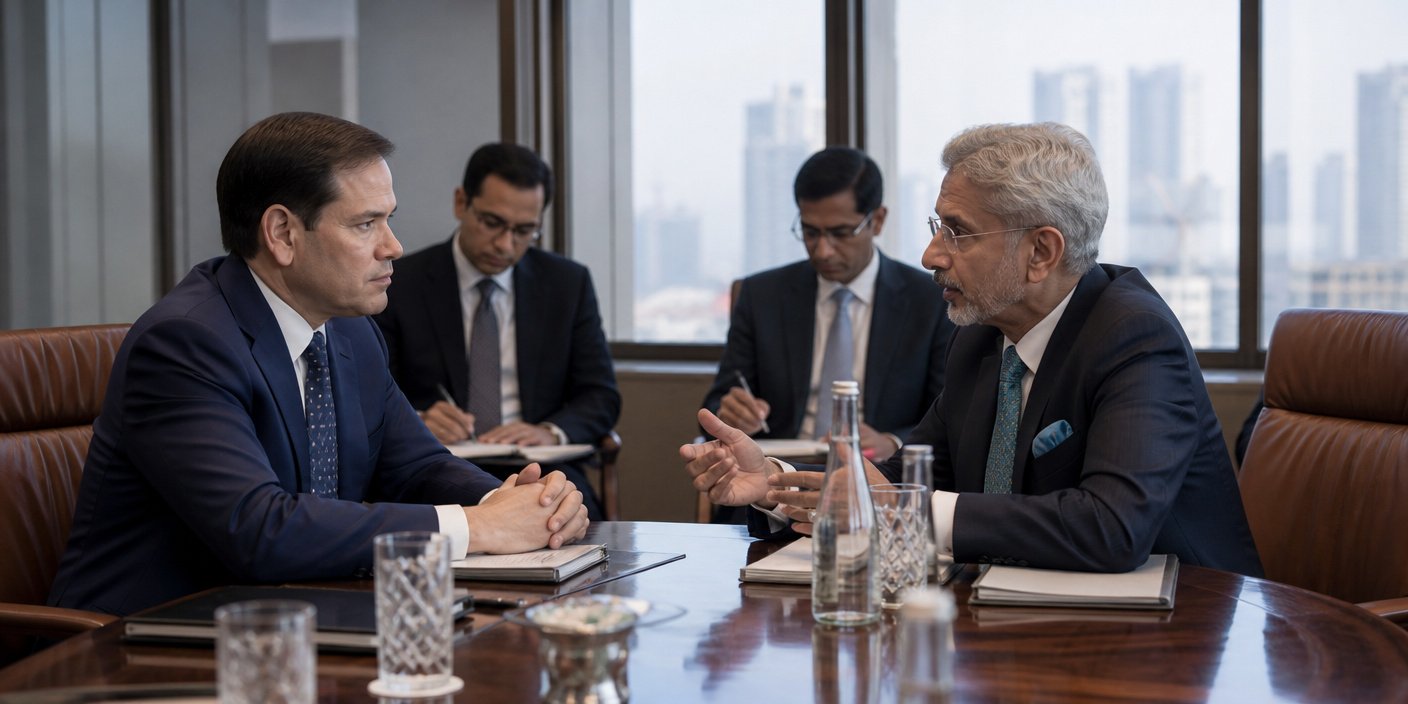
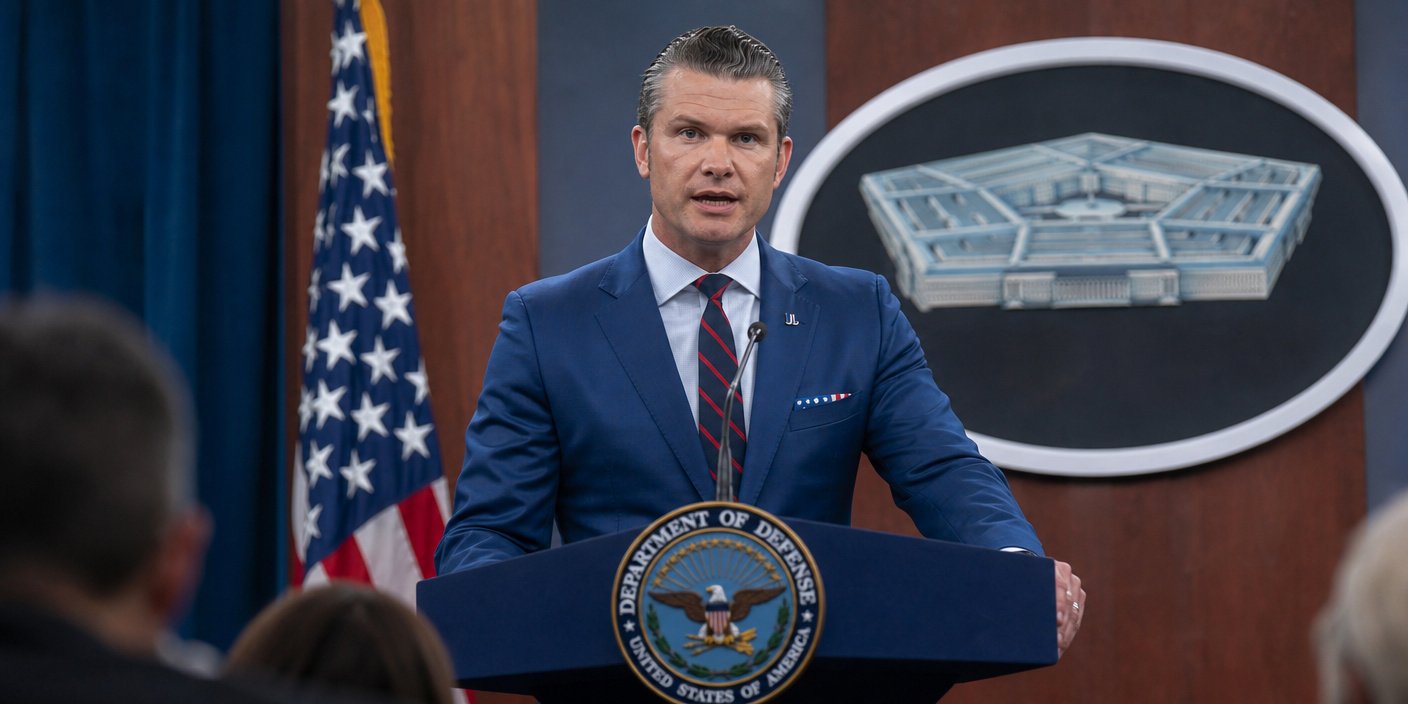
President Donald Trump is deploying senior envoys Steve Witkoff and Jared Kushner to Islamabad this weekend for high-stakes negotiations with Iranian Foreign Minister Abbas Araghchi, marking a pivotal moment in the ongoing crisis that has roiled the Middle East for the past eight weeks. The diplomatic mission, confirmed by the White House on Friday, represents a strategic shift in the administration’s approach to the conflict, as the U.S. attempts to leverage a combination of military pressure and back-channel diplomacy to secure a ceasefire. While Iranian officials have remained coy regarding the potential for direct engagement, the arrival of the U.S. delegation in Pakistan—a key neutral arbiter in the region—signals that both parties are under immense pressure to de-escalate a situation that has paralyzed shipping routes and disrupted global oil supplies.
Key Highlights
- Strategic Pivot: President Trump has shifted the lead negotiating role from Vice President JD Vance to special envoy Steve Witkoff and Jared Kushner, signaling a desire for a change in tone and approach after previous talks failed.
- High-Stakes Venue: The negotiations are centered in Islamabad, Pakistan, with Foreign Minister Abbas Araghchi arriving for discussions as the region braces for potential breakthroughs or a return to intensified conflict.
- The Energy Crisis: The war has severely impacted the Strait of Hormuz, with a U.S.-led blockade of Iranian ports and retaliatory actions causing significant volatility in global energy markets and jet fuel supplies.
- Sanctions Pressure: Concurrent with the diplomatic outreach, the Trump administration has ramped up its ‘Operation Economic Fury,’ imposing fresh sanctions on Chinese oil refineries and shipping entities accused of facilitating Iranian oil exports.
- Fragile Ceasefire: While a temporary ceasefire exists, its enforcement remains inconsistent, with both sides trading accusations of breach, leaving the international community on edge regarding the stability of the Gulf.
Diplomatic Brinkmanship: The Stakes in Islamabad
The Shift in Negotiating Strategy
The dispatch of Steve Witkoff and Jared Kushner to Islamabad is not merely a change in personnel; it is a calculated recalibration of the Trump administration’s foreign policy leverage. Vice President JD Vance, who spearheaded the initial round of negotiations, adopted a hardline stance that some analysts believe reached its limit of utility. By pivoting to Witkoff—a real estate mogul who has evolved into an ‘envoy for everything’ under the second Trump term—and Kushner, who has established diplomatic channels in the region via the Abraham Accords and various hostage negotiations, the White House is signaling a move toward a more transactional, deal-oriented framework. This shift suggests that the administration is eager to move past the rigidities of initial posturing and engage in the substantive ‘horse-trading’ that often characterizes Trump-era foreign policy.
However, the challenge remains significant. Iranian leadership is notoriously wary of Kushner, given his central role in policies during the first Trump term that Tehran vehemently opposed. Yet, the exigencies of the current eight-week-old war have created a shared necessity for dialogue. For Iran, the economic weight of the U.S.-led blockade is becoming increasingly untenable. For the U.S., the persistent instability in the Strait of Hormuz and the accompanying economic contagion—visible in rising oil prices and supply chain disruptions—have created domestic political pressure to deliver a concrete victory. The decision to keep Vice President Vance on ‘standby’ serves as a dual-purpose signal: it maintains a threat of high-level escalation if negotiations fail, while also providing a face-saving mechanism for the administration should the talks yield a framework agreement that requires immediate high-level political endorsement.
Understanding the Strait of Hormuz Crisis
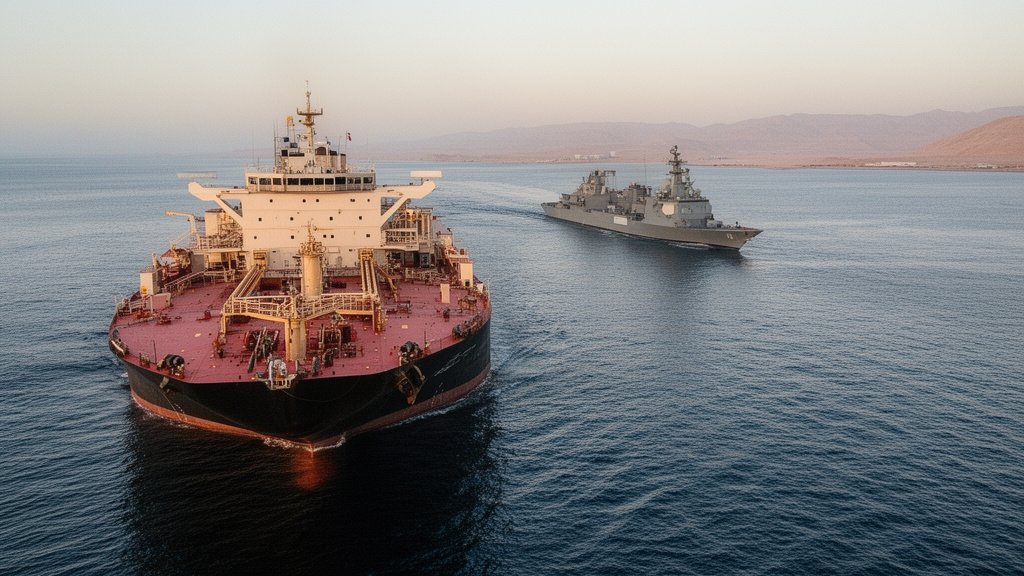
At the heart of the current conflict is the Strait of Hormuz, a narrow waterway through which a significant portion of the world’s liquid natural gas and oil passes. The U.S. naval blockade, enforced as part of the broader military response to the war, has effectively turned the strait into a geopolitical pressure cooker. Since the conflict began, Iran has countered by threatening to close the strait, leading to multiple maritime incidents, including the seizure of container ships by the Iranian Revolutionary Guard. These actions have not only spiked global oil prices but have also triggered severe concerns regarding a potential, and potentially catastrophic, energy crisis if the blockade were to persist into the summer.
This is not a traditional naval blockade of a single port, but an integrated, multi-domain control strategy that involves surveillance drones, cyber-interdiction, and rapid-response naval assets. The administration’s focus on the strait is driven by a desire to starve the Iranian war machine of its primary revenue stream: oil exports. By strangling the transit of these commodities, Washington hopes to force Tehran to the table on its own terms—specifically, verifiable commitments to curtail its nuclear enrichment program and halt support for regional proxies. However, as the conflict persists, the cost of this strategy is being paid by the global economy, leading to calls from international bodies for a rapid resolution. The upcoming talks in Islamabad will likely hinge on whether the U.S. is willing to offer limited, temporary sanctions relief in exchange for a reopening of the strait and a suspension of hostilities.
Economic Warfare: The Financial Dimension


The decision to announce further sanctions on Chinese oil refineries and shipping entities simultaneously with the departure of the diplomatic team is a classic illustration of ‘maximum pressure’ tactics. By targeting the back-end of Iran’s oil revenue network—the buyers and the transporters rather than just the suppliers—the Treasury Department is aiming to close the loopholes that have kept the Iranian economy afloat during the blockade. This multi-pronged approach reflects the administration’s belief that diplomacy without overwhelming economic leverage is doomed to fail.
Industry analysts note that the targeted sanctions on Chinese refineries, which are major purchasers of Iranian crude, serve as a warning not just to Tehran but to Beijing. It underscores a strategic intent to decouple the Iranian economy from its most significant remaining financial partners. Whether these measures strengthen the U.S. position at the negotiating table or merely harden Iranian resolve remains the central question. Tehran has historically framed such actions as ‘economic terrorism,’ and it remains to be seen if Araghchi will demand a moratorium on these sanctions as a prerequisite for serious dialogue, or if he will approach the table acknowledging that this financial pressure is the new, immutable reality of the conflict.
The Role of Pakistan as a Neutral Arbiter
Pakistan’s emergence as the primary venue for these talks is of significant historical and strategic importance. Given its proximity to Iran and its long-standing, albeit complex, relationship with the United States, Islamabad provides a unique ‘buffer’ environment for sensitive negotiations. Pakistani leadership, eager to demonstrate its stabilizing influence in the region, has actively courted both sides to host these discussions.
For Iran, Pakistan represents a safe, Muslim-majority neighbor where they can engage without the immediate optics of dealing directly with a Western power, even if the U.S. delegation is present. For the U.S., Pakistan offers a secure location that is logistically accessible, allowing for rapid communication between the negotiating teams and their respective capitals. However, the Pakistani government is walking a tightrope. It faces domestic pressure to support Iran, its neighbor, while simultaneously relying on U.S. economic and military cooperation. The success of these talks would be a massive diplomatic victory for Islamabad, potentially elevating its status as a key regional mediator. Conversely, a failure in these negotiations could entangle Pakistan further in a conflict it has worked hard to navigate neutrally.
Prospects for Peace vs. Protracted Conflict
The current landscape suggests a binary outcome. Either the Witkoff-Kushner mission succeeds in creating a pathway for a sustainable ceasefire—likely involving a quid-pro-quo regarding the strait and sanctions—or the conflict will descend into a war of attrition. The ‘standby’ status of Vice President Vance suggests that the White House is preparing for a scenario where progress is made but requires a higher-level diplomatic sign-off.
However, the lack of an Iranian commitment to direct talks, as reported by state media, highlights the precariousness of the situation. Tehran’s strategy appears to be one of delay, betting that the economic and political costs of the war will eventually force the U.S. to offer better terms. Conversely, the Trump administration appears confident that its ‘Operation Economic Fury’ will eventually break the Iranian deadlock. The upcoming weekend in Islamabad will serve as the crucial barometer: if the parties can agree to even a limited agenda, it may provide the foundation for a wider, more permanent resolution. If they cannot, the world should prepare for a long, volatile, and economically challenging summer.
FAQ: People Also Ask
1. Why was Vice President JD Vance replaced by Kushner and Witkoff for these talks?
The administration has not provided a specific reason for the change, but diplomatic observers suggest it reflects a shift in strategy. Vance led the initial, unsuccessful round of talks. By sending Witkoff and Kushner—who have a background in private-sector deal-making and previous foreign policy engagements—the White House is likely hoping to lower the diplomatic temperature and attempt a more transactional, ‘deal-oriented’ approach that differs from the VP’s previous, more formal stance.
2. Is Iran actually willing to negotiate with the U.S.?
This remains ambiguous. Iranian state media has consistently downplayed the possibility of direct, face-to-face negotiations with the U.S. delegation. While Iranian Foreign Minister Abbas Araghchi has arrived in Pakistan, Tehran has officially framed the trip as being focused on ‘regional developments’ and bilateral matters with Pakistan, not necessarily direct talks with the American envoys. The U.S. maintains that back-channel communication has been established.
3. What is the status of the Strait of Hormuz?
The Strait remains the primary flashpoint. It is currently under a de-facto U.S.-led blockade. While the U.S. maintains it is open for ‘lawful passage,’ the threat of seizure and the presence of naval assets have severely reduced shipping volume. This blockage is a primary driver of the current global energy market volatility and a key issue to be resolved in any potential peace deal.
4. How does the conflict impact the average citizen?
The primary impact is economic. The disruption of shipping through the Strait of Hormuz has led to increases in oil and jet fuel prices, which eventually translate to higher costs for consumers in terms of transportation, goods, and energy. Furthermore, a prolonged conflict risks deeper economic contagion, potentially affecting global supply chains and stock market stability.