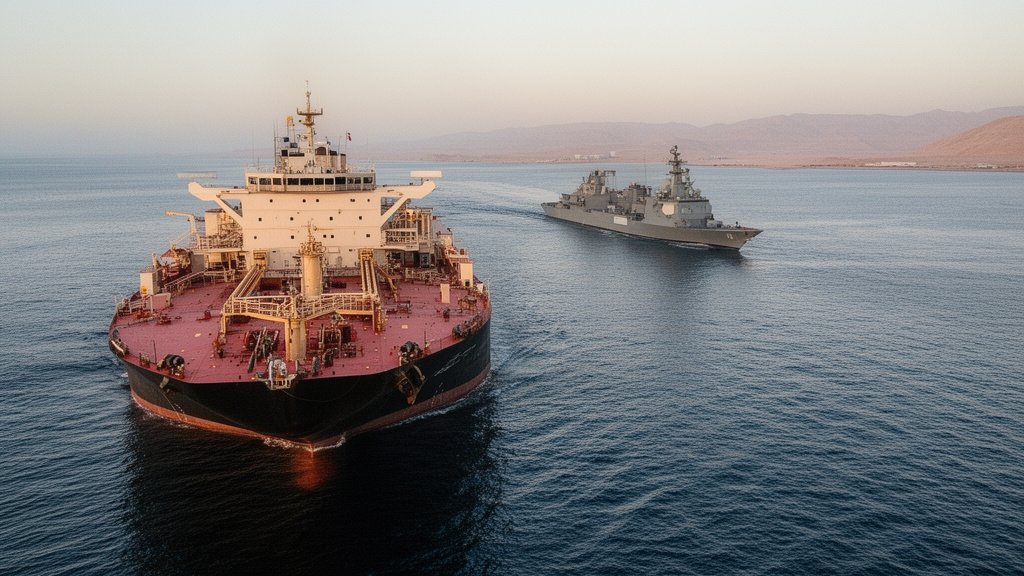
In a decisive shift of economic and diplomatic leverage, the United States has officially suspended cash dollar shipments to Iraq and halted critical security cooperation programs. This move, which comes amid a broader regional escalation following the onset of the Iran war on February 28, 2026, marks the most severe rupture in U.S.-Iraq relations since the 2003 intervention. By blocking a scheduled delivery of nearly $500 million in US banknotes—liquid assets essential for the operation of the Central Bank of Iraq—the US Treasury is signaling a new, uncompromising stance: Baghdad must sever the operational and financial lifelines currently enjoyed by Iran-backed militias, or face economic isolation.
Key Highlights
- Financial Squeeze: The US Treasury has blocked $500 million in physical dollar shipments intended for the Central Bank of Iraq, citing deep concerns over the potential exploitation of these funds by armed groups.
- Security Freeze: Washington has suspended all military cooperation, including counter-terrorism training and intelligence sharing, until Iraq demonstrates tangible progress in dismantling militias that have attacked US diplomatic and military assets.
- Geopolitical Impasse: The decision represents a pivot in the Trump administration’s policy, shifting from diplomatic persuasion to active economic coercion to force Iraq to choose between its longstanding US security ties and its alignment with Tehran-backed factions.
- Market Volatility: The immediate halt has triggered concerns regarding the stability of the Iraqi Dinar and the country’s ability to maintain its import-dependent economy, which relies heavily on US dollar liquidity provided via the Federal Reserve.
The Financial Pressure Cooker: Understanding the US-Iraqi Economic Nexus
The current crisis is not merely a diplomatic spat; it is an interrogation of the structural dependency established over two decades ago. Since the 2003 transition, the Iraqi economy has functioned under a unique, albeit restrictive, framework where Iraqi oil revenues are deposited into a dedicated account at the Federal Reserve Bank of New York. From this centralized repository, the Central Bank of Iraq (CBI) requests physical shipments of US dollars to maintain liquidity in the domestic market, pay government salaries, and facilitate international trade.
This arrangement, once designed to protect Iraqi assets from corruption, has now become a powerful, asymmetric tool of American foreign policy. By controlling the flow of hard currency, Washington possesses the ability to effectively freeze large swathes of the Iraqi economy. The current suspension of $500 million—a significant portion of the expected monthly replenishment—is a clear warning to Baghdad’s ruling political blocs.
The Role of Militia Influence
At the heart of the standoff is the presence of the Popular Mobilization Forces (PMF) and other entities operating under the umbrella of the Islamic Resistance in Iraq. These groups, which maintain strong ideological and operational ties to Tehran, have been the primary architects of the recent wave of drone and rocket attacks on American facilities, including the embassy in Baghdad and logistics centers in the Kurdistan region.
For years, Washington has expressed frustration regarding the “leakage” of funds into these paramilitary organizations. US intelligence and Treasury officials have long alleged that a portion of the dollar liquidity entering the Iraqi market is siphoned off through front companies and illicit banking channels to fund militia activities. The current halt acts as a blunt instrument to stop this perceived financial funneling. The message from the State Department is unambiguous: the United States will no longer facilitate the flow of currency that is subsequently used to fuel attacks against its personnel and interests.
Economic Vulnerability and the Dinar



The cessation of dollar shipments has immediate, real-world consequences for the Iraqi populace. The Iraqi Dinar, already sensitive to fluctuations in market supply, faces potential devaluation. If the Central Bank of Iraq cannot replenish its dollar reserves, the gap between the official exchange rate and the black-market rate—a persistent problem in Iraq—will likely widen. This scenario risks fueling domestic inflation, impacting the cost of food, fuel, and medicine, and potentially inciting social unrest.
Furthermore, the suspension of security cooperation programs strikes at the heart of Iraq’s military capabilities. The Iraqi Air Force and various counter-terrorism units rely heavily on US logistical support, maintenance, and technical training. By cutting this lifeline, the US is betting that the Iraqi security establishment will realize that their professional viability is inextricably linked to their independence from militia interference.
Geopolitical Chess: The Shift in Strategy
This escalation must be viewed through the lens of the broader Middle Eastern conflict. Since the escalation of the Iran war, the US has signaled a strategic withdrawal from its role as a regional peacekeeper in Iraq, opting instead for a posture of strategic competition. The demand for the Iraqi government to dismantle these militias is not merely a request for localized security; it is a demand for structural political change.
Washington’s refusal to engage in business-as-usual while its embassy is under siege represents a departure from previous administrations’ more patient, diplomatic approaches. The current policy appears to be one of ‘Maximum Pressure’ applied to a partner government. This approach, however, carries significant risks. If the Iraqi government, paralyzed by internal political divisions and the influence of the Coordination Framework, finds itself unable to suppress these militias, the result could be a permanent decoupling of US-Iraq relations, effectively ceding more influence in Baghdad to Tehran—an outcome the United States is ironically trying to prevent.
The Path Forward: Requirements for Resumption
What happens next is dependent on Baghdad’s reaction. The United States has not yet specified a detailed roadmap for the resumption of dollar shipments, leading to uncertainty in the markets and the halls of government. However, based on recent statements from the State Department, the requirements appear to be twofold: concrete evidence of a crack-down on militia-linked financial networks and a clear, actionable plan to integrate or disband the armed groups operating outside the state’s direct control.
For Iraqi Prime Minister Mohammed Shia al-Sudani, this is a moment of existential crisis. He must navigate the demands of Washington while maintaining the support of the various political factions that underpin his government. His success—or failure—in meeting these US demands will likely determine the trajectory of Iraq’s economic stability and its strategic alignment for the remainder of the decade.
FAQ: People Also Ask
Q: Why does the US control Iraq’s dollar shipments?
A: Under an arrangement established following the 2003 US-led invasion and the subsequent oversight of the Coalition Provisional Authority, Iraq’s oil revenues are deposited into an account at the Federal Reserve Bank of New York. The US Treasury must approve requests for physical dollar transfers, giving Washington significant leverage over Iraq’s monetary supply.
Q: Are these sanctions permanent?
A: US officials have described the suspension as a temporary, punitive measure aimed at forcing the Iraqi government to take specific actions against Iran-aligned militias. The duration of the halt is contingent on Baghdad meeting US demands regarding security and the dismantling of non-state armed groups.
Q: What is the impact on the average Iraqi citizen?
A: The primary concern is the potential destabilization of the Iraqi Dinar and subsequent inflation. As the central bank struggles with liquidity, the street value of the dollar may rise, driving up the cost of imported goods, including essential items like food and fuel, which could place significant pressure on the Iraqi middle and lower classes.