Understanding new National Park Fees for international visitors is crucial as the United States adjusts its park entry policy. Non-U.S. residents will soon face increased costs, with a fee structure specifically designed to bolster park finances. This significant shift in National Park Fees begins January 1, 2026, as part of an initiative that prioritizes American access and ensures foreign visitors contribute more towards national park preservation and addressing budget shortfalls. These new park entry costs are projected to substantially increase revenue for our nation’s treasured public lands.
New National Park Fees for International Visitors and US Park Funding
The U.S. Department of the Interior has announced substantial changes to National Park Fees. Non-residents will encounter higher costs, with a new fee of $100 per person for entry into 11 popular national parks. This single-entry fee is levied in addition to standard entrance costs, meaning U.S. residents will not bear this surcharge. The policy aims for fairness, acknowledging that U.S. taxpayers fund parks through their contributions, while international visitors will now contribute more through these adjusted National Park Fees. This adjustment reflects a broader strategy to enhance US park funding and ensure the long-term viability of these critical natural resources.
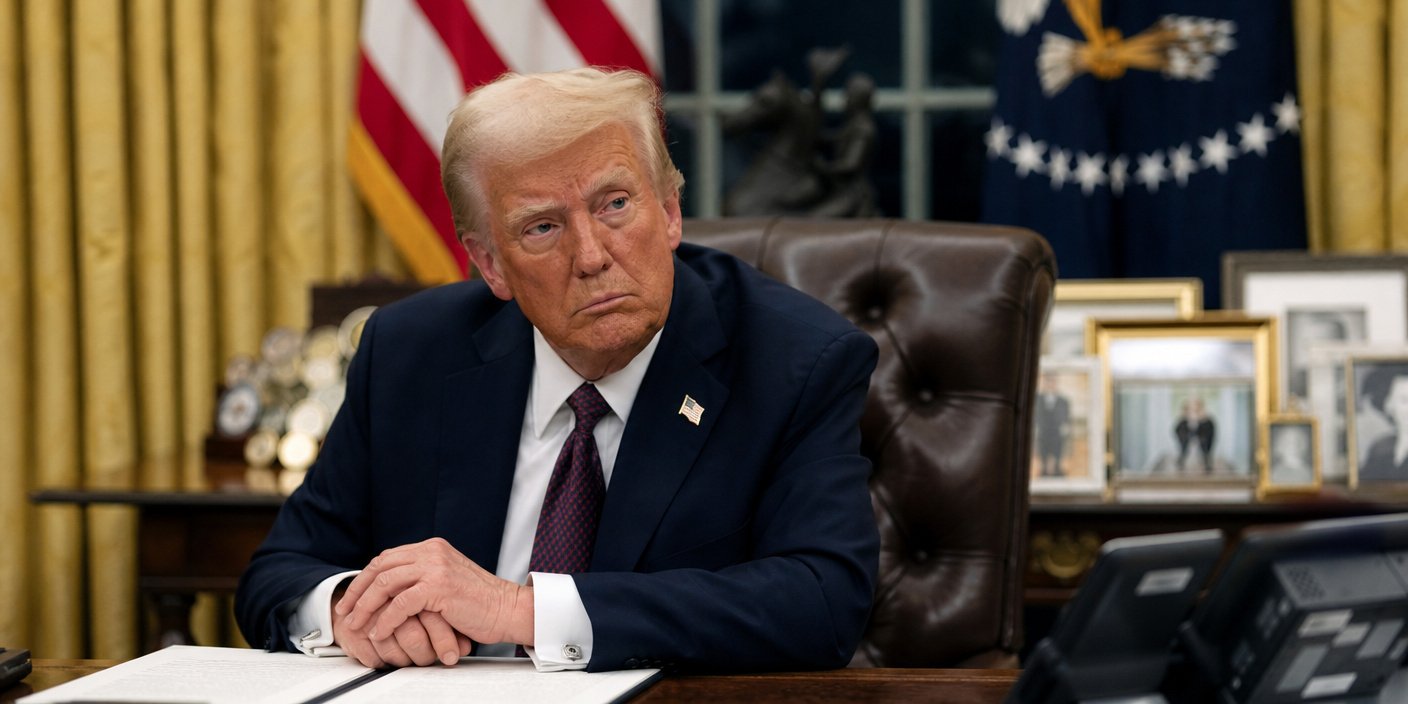
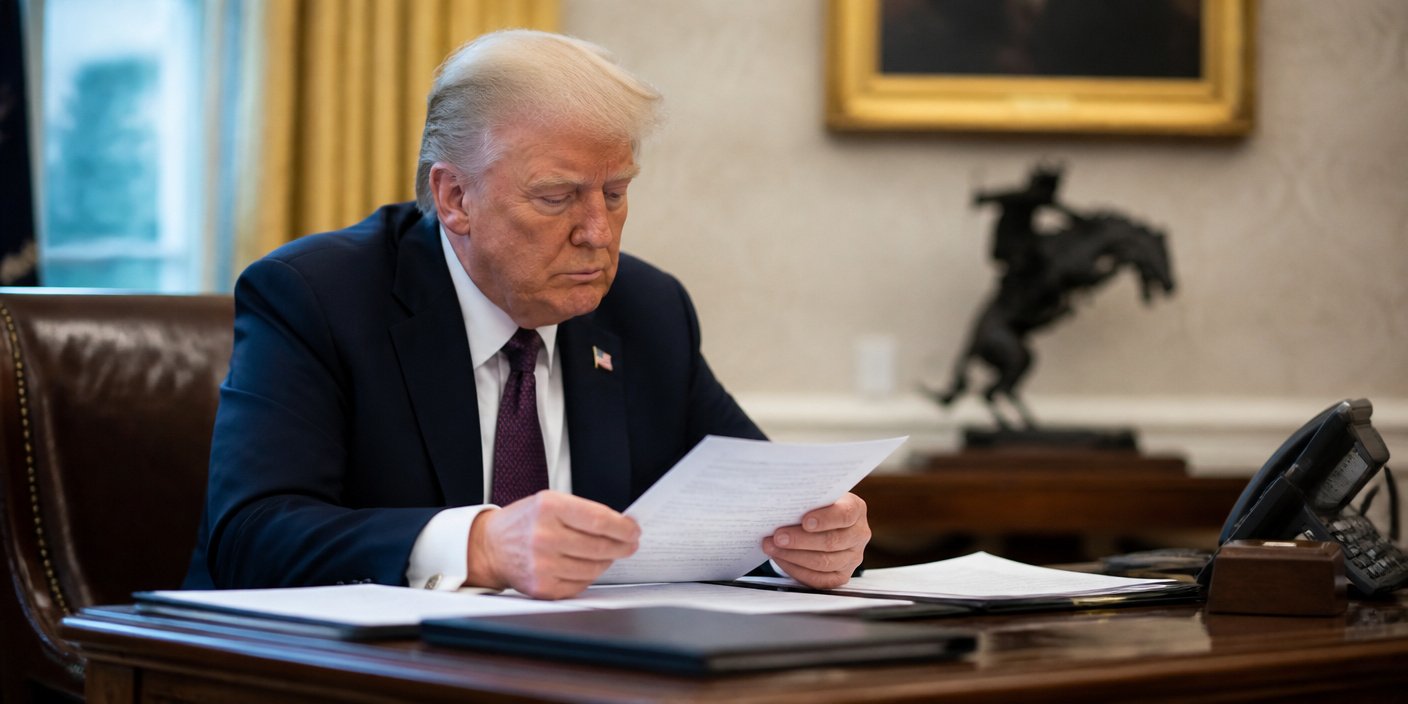
The annual “America the Beautiful” pass also sees changes to its park entry costs. U.S. residents will continue to pay $80, but non-residents will now be charged $250. This represents a significant increase, effectively tripling the previous cost for international visitors. This updated pricing structure is part of a broader modernization effort, which includes new digital pass options, and aligns with President Donald Trump’s vision for more accessible parks for Americans. Secretary of the Interior Doug Burgum supports the plan, stating that U.S. taxpayers deserve affordable access and that international visitors will “contribute their fair share” to ensure park maintenance and improvements for the future, directly impacting US park funding through these enhanced National Park Fees.
Affected Parks and Previous Costs for National Park Fees
Eleven high-traffic national parks will implement the new National Park Fees. These include iconic destinations such as the Grand Canyon and Yellowstone, Yosemite and Zion National Parks, Great Smoky Mountains National Park, Acadia, Bryce Canyon, Everglades, Glacier, Grand Teton, Rocky Mountain, and Sequoia & Kings Canyon. Understanding these specific Grand Canyon fees and Yellowstone fees will be important for many travelers planning their visits to these celebrated locations. These adjustments to National Park Fees are expected to significantly impact the revenue generated for these parks.

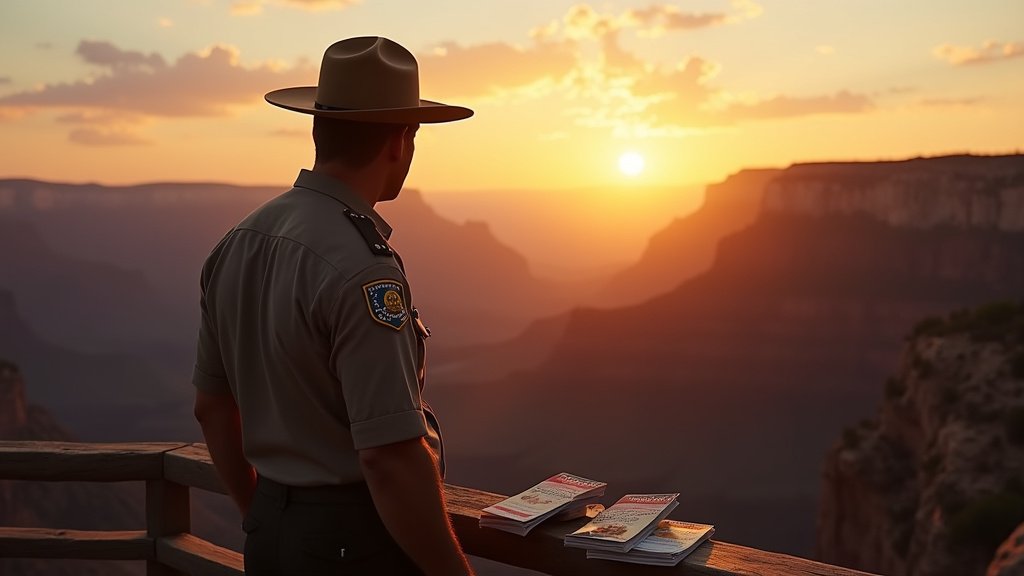

Previously, these parks had varied fee structures. Great Smoky Mountains offered free entry, with visitors only paying for parking. Zion charged between $20 and $35, while the Grand Canyon fees were $35 per car. Some parks charged $20 per person. These previous rates were considerably lower than the upcoming National Park Fees, representing a major jump intended to impact millions of international tourists. In 2018, over 14 million international visitors came to these parks, with Yellowstone seeing nearly 15% international visitors in 2024, down from 30% in 2018, a statistic that may shift with the new park entry costs and updated National Park Fees.
Reasons Behind the Fee Increase for National Park Fees
The National Park Service faces significant financial strain, and this policy addresses severe budget cuts, staff reductions impacting operations, and lost revenue from recent government shutdowns. The new National Park Fees aim to generate funds, with the Interior Department estimating an annual revenue of $90 million to support park upgrades, essential maintenance, and visitor facilities, potentially leading to improvements in ranger pay. This initiative aligns with a July executive order from President Trump, directing increased fees for foreign tourists and prioritizing U.S. residents for recreational access, ensuring Americans benefit first from these essential US park funding strategies and revised park entrance fees.
The administration frames the increased National Park Fees as a matter of fairness, as U.S. citizens already fund parks via taxes. Foreign visitors are now asked to match that support, aligning the U.S. with global practices where many countries already charge differential fees for international tourists. This approach to US park funding seeks to create a more equitable system and address critical shortfalls affecting park operations and preservation. The changes to National Park Fees are designed to achieve this balance.
‘America First’ Policies and Park Access: The Impact on National Park Fees
The “America-first entry fee policies” are central to preserving parks and making them affordable for American families, a key part of the Trump administration’s agenda. The updated “America the Beautiful” pass artwork features patriotic designs and portraits of George Washington and Donald Trump, reflecting a commitment to national heritage, and these changes directly influence National Park Fees. This policy is a direct outcome of the America First policy, aiming to prioritize domestic enjoyment of national parks. The new National Park Fees are a tangible result of this approach.
The policy also affects fee-free days, which will now be “resident-only,” meaning U.S. citizens and permanent residents will get free access, while international visitors will not benefit. Previously, these days were open to everyone. This exclusion adds another layer to the new policy, further emphasizing preferential treatment for Americans and significantly modernizing the approach to park entry costs. These new National Park Fees aim to balance accessibility for citizens with essential revenue generation.
Potential Impacts and Reactions to New National Park Fees
The fee hike is not without concern. The National Parks Conservation Association (NPCA) has noted many questions and will raise these with the Interior Department. Kati Schmidt of NPCA cited implementation concerns, and local economies may also feel an impact, particularly tourism-dependent areas that rely on international visitors. For example, Yosemite’s surrounding county depends heavily on them, with half its jobs being tourism-related. Increased National Park Fees could harm these small businesses, impacting tourism revenue parks and local economies. The adjustment in National Park Fees is a significant change.
Some international visitors might find the cost prohibitive, while others understand the need for funding, especially since many countries already charge higher tourist fees. The price of a park visit is a small part of total trip costs, and this revenue directly supports park upkeep, ensuring these natural treasures endure. The new National Park Fees will help address a significant maintenance backlog affecting many park facilities, securing the future of America’s “crown jewels.” The Trump administration parks initiative aims to balance these impacts. These are indeed new park entrance fees that signal a significant change in how US park funding is managed.
A New Era for Visitation and National Park Fees
The new fee structure begins January 1, 2026, marking a new chapter for national park access and significantly altering National Park Fees. International visitors will pay more, while Americans will continue to enjoy affordable entry. The funds raised are earmarked for parks, aiming for better stewardship, upgrades, and maintenance. The policy reflects shifting priorities, balancing revenue generation with access. This marks the first significant change to national park preservation funding in decades, with the 2026 park entrance fees representing a new standard. The story of America’s parks continues, adapting to new challenges, with funding remaining crucial. The decision highlights a focus on domestic enjoyment while seeking global contribution to conservation, promising enhanced park conditions and securing their future. Understanding the impact of these international visitor fees is key for planning future trips to these iconic landscapes and understanding the evolving National Park Fees.