The U.S. military has officially confirmed the deaths of four service members following a fatal crash involving a refueling aircraft in Iraq. This tragic incident marks a somber development for U.S. operations in the region, bringing the inherent risks of aerial mission support into sharp focus. The confirmation from the Department of Defense (DoD) follows immediate search and recovery efforts initiated upon the loss of communication with the aircraft. As the military community mourns this loss, attention has shifted toward understanding the precise conditions surrounding the flight and the subsequent investigation that will follow under the auspices of the U.S. Central Command (CENTCOM).
- Fatal Incident: Four service members have been confirmed deceased following a refueling aircraft crash in Iraq.
- Official Confirmation: The Department of Defense has publicly acknowledged the loss, initiating standard notification protocols for next of kin.
- Investigation Underway: A formal investigation board has been established to determine the root cause of the accident, analyzing flight data, environmental factors, and mechanical systems.
- Operational Impact: This event highlights the persistent dangers faced by support crews in the region, even during routine refueling missions.
Examining the Strategic and Personal Cost of Aerial Refueling
Operational Realities in Middle Eastern Skies
The mission profile of a refueling aircraft is often viewed as a logistical necessity rather than a combat role, yet the reality of operating heavy tanker aircraft in the Middle East is fraught with complex, high-stakes challenges. Aerial refueling is a critical force multiplier, allowing fighter jets, intelligence platforms, and heavy bombers to remain on station for extended periods. However, these aircraft operate in crowded, often contested, or demanding airspaces. The tankers, typically converted commercial frames or purpose-built military transport variants, are large, slow-moving targets that require meticulous coordination with ground control and surrounding air traffic. The loss of four service members serves as a stark reminder that “support” roles are inextricably linked to the dangers of the theater of operations. The fatigue, the environmental challenges, and the sheer mechanical strain of constant rotation deployments create a demanding environment for flight crews tasked with keeping U.S. air superiority functioning around the clock.
The Investigation Process and Protocol

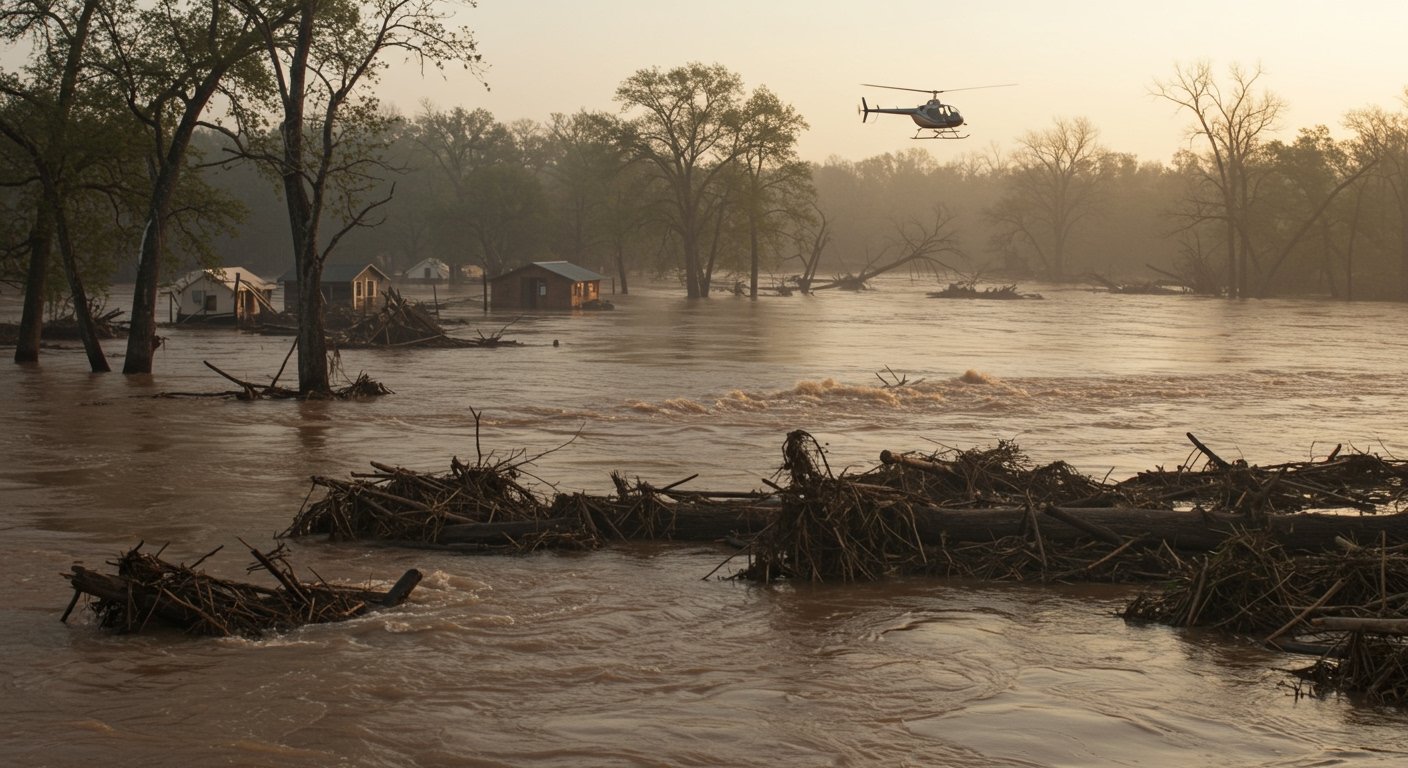

Following the crash, the military machine shifts into a rigorous investigative phase. The Department of Defense will deploy an Aviation Accident Investigation Board (AIB), a multi-disciplinary team comprising aeronautical engineers, flight safety experts, and intelligence analysts. Their objective is to recover the black box data—the flight data recorder and cockpit voice recorder—to reconstruct the final moments of the flight. This process is rarely quick. Investigators will examine the ‘man, machine, and mission’ triad: investigating potential pilot error, catastrophic mechanical failure, or environmental conditions such as microbursts, sandstorms, or sudden visibility changes common in the Iraqi desert. This data is critical not only for closure for the families but for institutional learning, ensuring that similar fleets can be grounded or modified if a systemic issue is identified.
Analyzing Risks in Complex Military Aviation
While modern military aviation is statistically safer than in decades past, the nature of aerial refueling introduces unique risks. The proximity required for ‘tanking’—where a boom operator must guide a rigid fuel boom into a receiver aircraft—requires immense precision. If a catastrophic failure occurs during this maneuver, or if the aircraft experiences a sudden loss of control while navigating at low altitudes, the reaction time available to the crew is measured in seconds. Furthermore, the operational tempo in U.S. Central Command has remained high. The logistical strain on maintenance crews and the age of some airframes in the tanker fleet have often been subjects of congressional hearings. While the cause of this specific crash remains under investigation, industry analysts are likely to look closely at the maintenance logs and historical flight hours of the specific aircraft involved to see if logistical stress played a role in this tragic outcome.
Legacy and Support Systems
The loss of four service members triggers a complex support network. The military’s casualty assistance program is designed to provide comprehensive support to the families of the fallen, ranging from logistical help with funeral arrangements to long-term survivor benefits. Beyond the immediate families, this event ripples through the specific units involved. Aviation squadrons are tight-knit communities, and the loss of a flight crew often necessitates an immediate focus on mental health and resilience training for surviving squadron members who must continue the mission while processing the grief of losing colleagues. The U.S. military’s ability to project power relies entirely on the people behind the sticks, and events like this serve as a painful reminder of the human cost of global operations.
FAQ: People Also Ask
What happens immediately after a military aircraft crash is confirmed?
Once the crash is confirmed, the military initiates search and recovery operations, secures the site to prevent unauthorized access or loss of evidence, and begins the solemn process of notifying the next of kin before releasing names to the public.
Who investigates military aviation accidents?
An Aviation Accident Investigation Board (AIB) or a Safety Investigation Board (SIB) is typically convened. These boards are independent of the operational command of the involved unit to ensure objectivity and are tasked with determining the causal factors of the crash.
How does the military support families of the deceased?
Each family is assigned a Casualty Assistance Officer (CAO). The CAO acts as the primary liaison between the family and the military, helping navigate administrative processes, benefits, honors, and emotional support services.
Are refueling missions considered high-risk?
While aerial refueling is a routine logistical mission, it involves flying heavy, low-maneuverability aircraft in complex airspace, often in challenging weather conditions, which inherently carries risks beyond those of standard administrative transport flights.