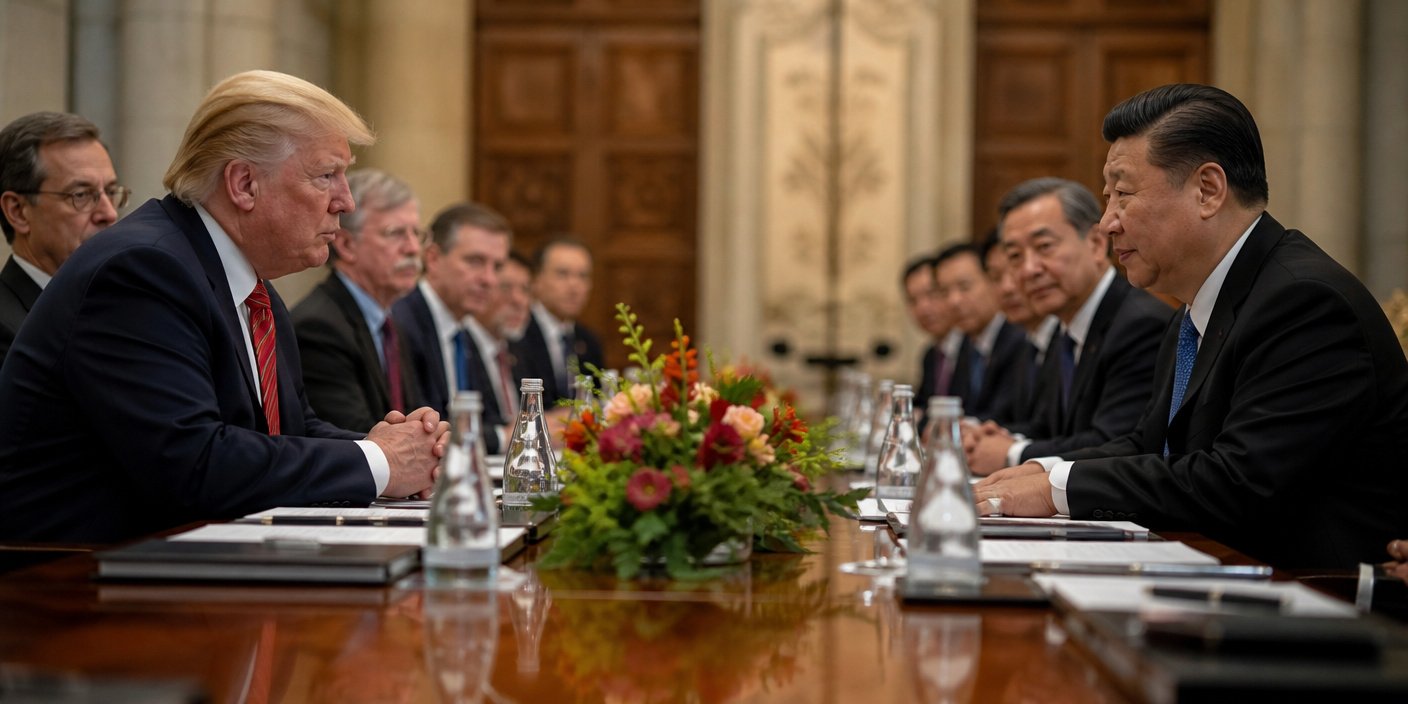
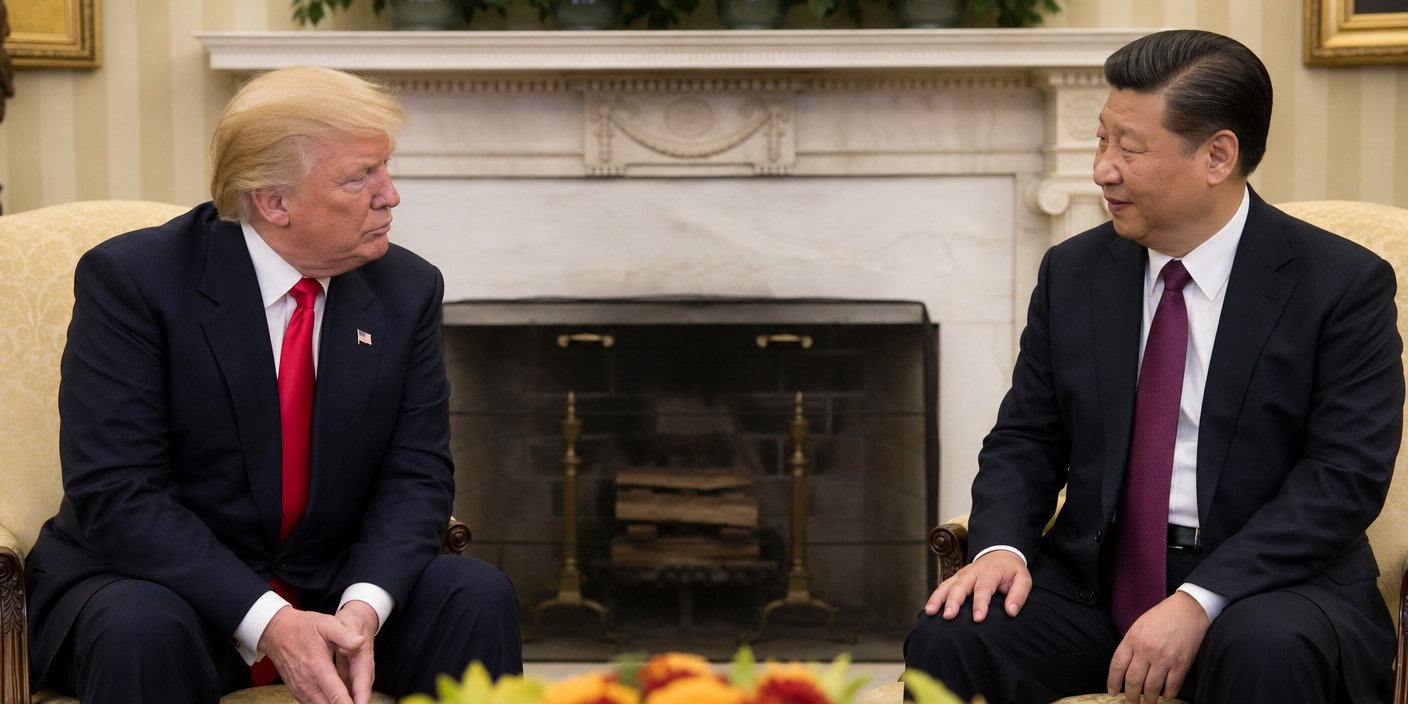
The United States is closely monitoring Iran’s response to a potential peace deal amid escalating tensions in the Middle East, as Israel conducted strikes in Lebanon. The situation remains fluid, with diplomatic efforts underway to de-escalate the conflict and prevent further regional instability.
Key Highlights:
- US awaits Iran’s decision on a critical peace deal.
- Israel has carried out military strikes in Lebanon.
- Diplomatic channels are active to manage the rising tensions.
- The region faces heightened risk of broader conflict.
Regional Tensions Escalate Amidst Diplomatic Maneuvers
The delicate balance in the Middle East is once again under strain as the United States awaits a pivotal response from Iran regarding a proposed peace deal. Simultaneously, Israel has engaged in military actions within Lebanon, significantly heightening regional tensions. This dual development places a heavy onus on diplomatic efforts to prevent a wider conflagration. The international community, particularly the US, is engaged in delicate negotiations, seeking to de-escalate the situation while simultaneously addressing the immediate security concerns arising from the Israeli strikes. The complexity of the geopolitical landscape means that any misstep could have profound and far-reaching consequences for global stability.
The Diplomatic Tightrope

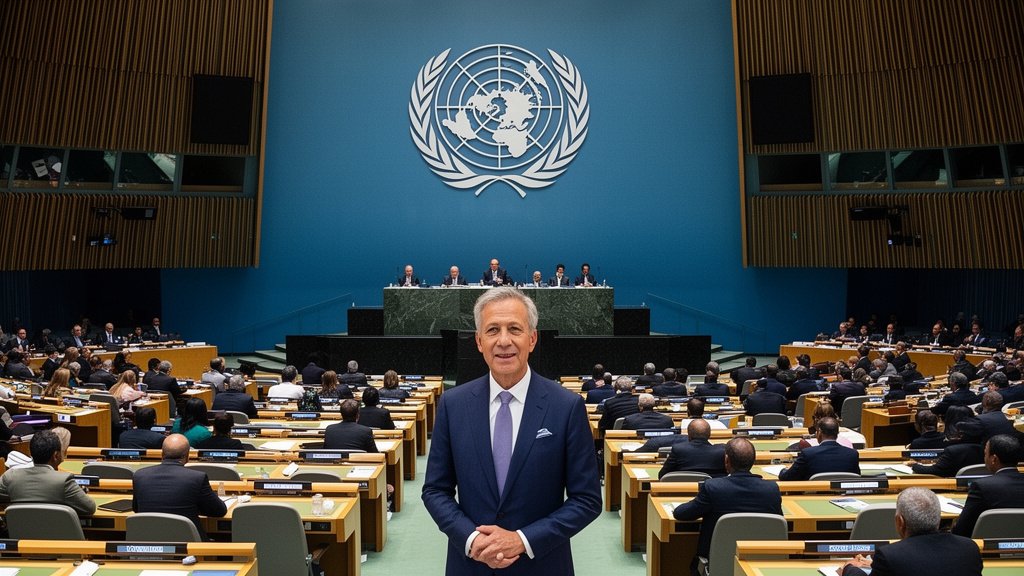
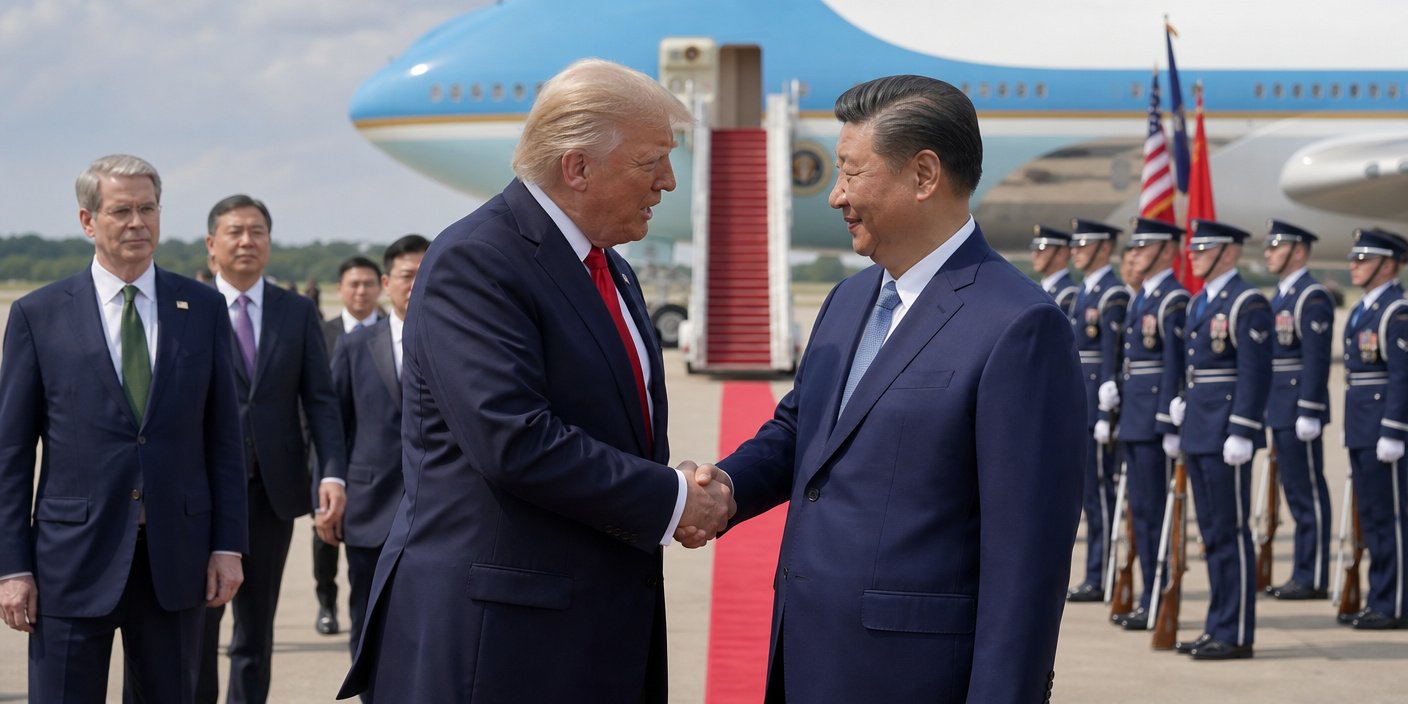
US officials have indicated that they are engaged in continuous communication with various regional and international partners to foster a de-escalation of hostilities. The proposed peace deal, details of which remain largely confidential, is understood to be a comprehensive framework aimed at addressing long-standing grievances and promoting stability. However, Iran’s measured silence and Israel’s assertive military actions create a challenging environment for these diplomatic overtures. The inherent distrust and historical animosities between the key players necessitate a highly calibrated and persistent approach from mediators. The success of these diplomatic endeavors hinges on the willingness of all parties to engage in good faith and make necessary concessions.
Escalation in Lebanon
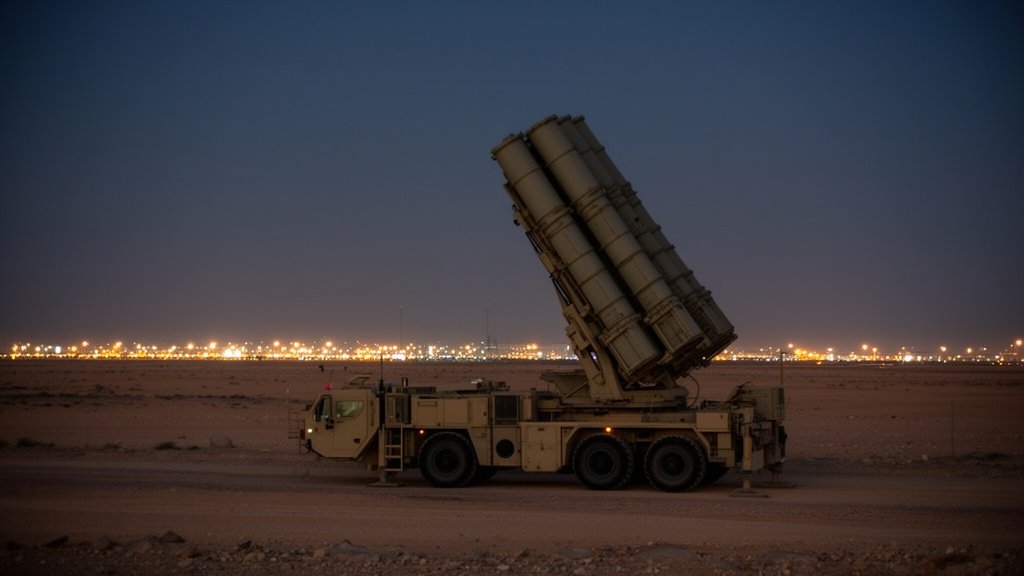
The Israeli strikes in Lebanon represent a significant escalation, raising concerns about the potential for a broader conflict. While the specific targets and objectives of these strikes have not been fully disclosed, they have undoubtedly increased the risk of retaliation and further instability. The Lebanese government has condemned the attacks, calling for international intervention. The involvement of non-state actors and the complex web of alliances in the region mean that any military action can have unpredictable ripple effects. The international community is urging restraint from all sides to avoid a devastating cycle of violence. The humanitarian implications of such a conflict would be severe, with potential for widespread displacement and loss of life.
Iran’s Strategic Calculation
Iran’s response to the peace deal proposal is a crucial determinant of the region’s immediate future. Analysts suggest that Tehran is carefully weighing its options, considering both the potential benefits of a peace agreement and the strategic advantages of maintaining its current posture. The internal political dynamics within Iran, as well as its relationships with regional proxies, will likely influence its decision-making process. The US and its allies are attempting to gauge Iran’s intentions and potential red lines, making intelligence gathering and analysis critical in this phase. The outcome of Iran’s deliberation could reshape the regional security architecture for years to come.
The Geopolitical Chessboard
The current events are unfolding against a backdrop of complex geopolitical rivalries. The involvement of major global powers, each with their own interests in the Middle East, adds another layer of complexity. The potential impact of any peace deal or further escalation on global energy markets, international trade routes, and the fight against extremist groups is significant. Understanding these broader implications is essential for comprehending the gravity of the current situation. The international community is watching closely, hoping for a diplomatic resolution that can usher in an era of greater peace and prosperity for the region.
FAQ: People Also Ask
What is the proposed peace deal between Iran and other regional powers?
Details of the proposed peace deal are not publicly disclosed, but it is understood to be a comprehensive framework aimed at resolving key issues and promoting regional stability. The United States is actively involved in facilitating these discussions and awaits Iran’s response.
What are the implications of Israel’s strikes in Lebanon?
Israel’s strikes in Lebanon have significantly escalated regional tensions and raised concerns about a wider conflict. The international community is urging restraint to prevent a dangerous cycle of violence and potential retaliation.
How is the United States involved in this situation?
The United States is actively engaged in diplomatic efforts to de-escalate the tensions and is awaiting Iran’s response to a proposed peace deal. US officials are in continuous communication with regional and international partners to foster stability.
What is the potential impact on regional stability?
Further escalation could have severe consequences for regional stability, including potential for a wider conflict, humanitarian crises, and disruption of global energy markets. Diplomatic resolution is seen as crucial to preventing these outcomes.