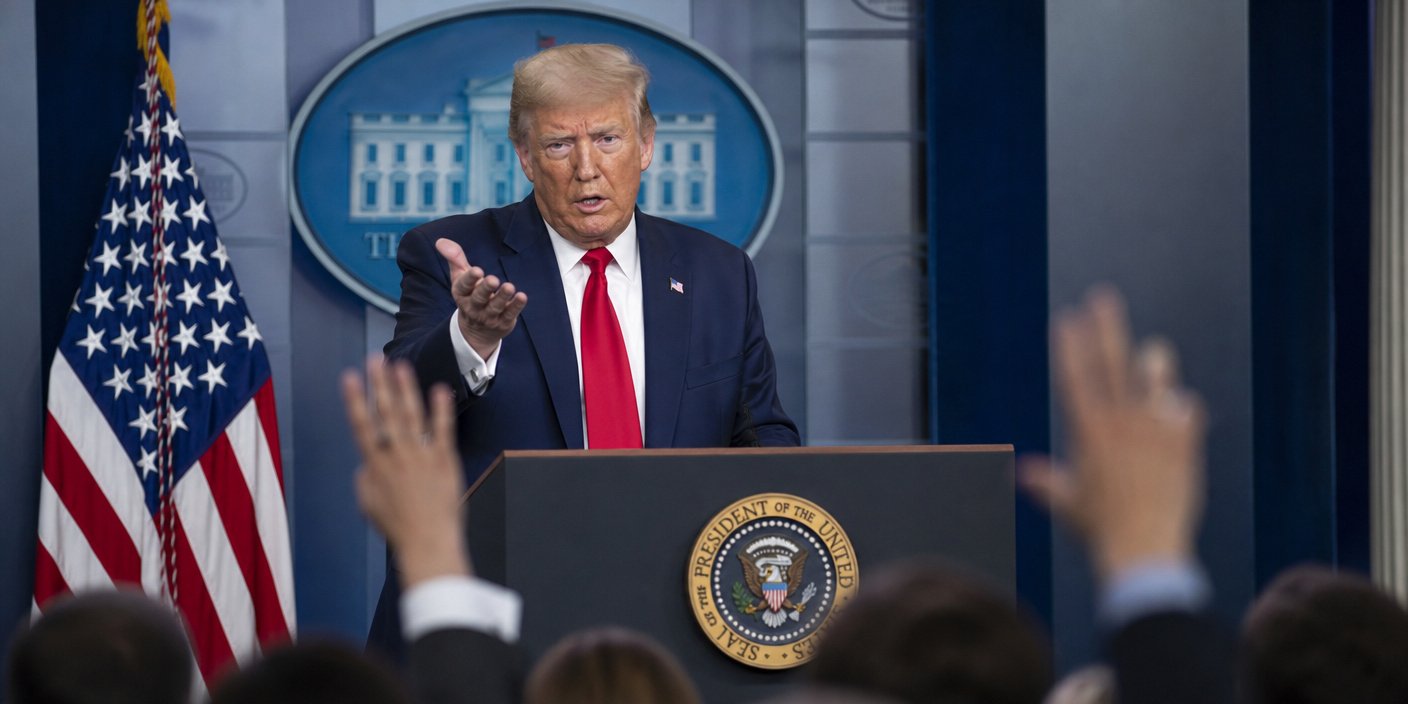

During the second night of the Republican midterm convention in Dallas, former President Donald Trump delivered a striking economic proposal, pledging a $5,000 direct payment to every American citizen, provided that his party successfully retains or gains control of Congress in the upcoming midterm elections. The announcement, which immediately dominated the political discourse, marks one of the most direct fiscal promises made by a political leader in recent election cycles, framing the GOP’s legislative agenda as a conduit for immediate financial relief for the average household.
Key Highlights
- The Core Pledge: A direct $5,000 payment promised to all eligible Americans conditioned on a Republican sweep of Congress.
- The Venue: The announcement was made during the second night of the Republican midterm convention in Dallas, setting the tone for the party’s platform.
- The Condition: The payout is strictly tied to the Republican Party maintaining or gaining control of both houses of Congress.
- Strategic Significance: This move is viewed as a high-stakes attempt to consolidate the base and appeal to swing voters by emphasizing tangible economic incentives.
The Economic and Political Calculus of the Dallas Pledge
The declaration made in Dallas represents more than just a campaign talking point; it signals a strategic pivot in how the Republican Party intends to frame its legislative objectives heading into the midterms. By tying a specific, universally appealing dollar amount to the legislative outcome, the Trump campaign has effectively gamified the midterm results for the average voter, making the stakes of the election feel immediate and personal.
Analyzing the Financial Scope
From an economic standpoint, the proposal raises immediate questions regarding federal funding, the source of the capital, and the broader impact on the national debt. While the campaign has characterized the payment as a redistribution of priorities, fiscal analysts have begun to scrutinize the logistical feasibility. The proposal implicitly draws on the memory of previous direct relief programs initiated during the pandemic, yet it applies them to a different economic environment characterized by persistent inflationary pressures. The $5,000 figure is substantial, and if enacted, would represent one of the largest direct-to-consumer fiscal policies in modern history, necessitating an intense legislative overhaul and a clear roadmap for funding that has yet to be fully detailed by party leadership.
The Midterm Strategic Landscape
For the Republican Party, the Dallas announcement serves multiple purposes. First, it acts as a galvanizing force for voters who may be fatigued by standard political discourse, providing a concrete reason to head to the polls. Second, it shifts the narrative focus away from traditional party platforms and onto a singular, headline-grabbing initiative. By placing this pledge at the center of the midterm convention, Trump is attempting to define the Republican brand not just through policy stances on deregulation or tax reform, but through a promise of direct economic empowerment.


This strategy, however, is not without risk. Critics and political opponents have already begun questioning the viability of the plan, labeling it as opportunistic or fiscally irresponsible. The efficacy of this pledge will likely depend on the party’s ability to articulate the “how” alongside the “what.” Voters, while incentivized by the potential for a cash injection, will inevitably demand transparency regarding how such a program would avoid exacerbating existing inflationary trends. The success of this gambit depends entirely on whether the electorate views the $5,000 as a realistic legislative goal or a campaign-trail abstraction.
Historical Precedents and Voter Psychology
Campaign history is littered with bold fiscal promises, but few reach the level of specificity demonstrated in the Dallas announcement. Historically, candidates have often utilized broad economic promises—tax cuts, job creation, infrastructure investment—to signal their platform. The shift toward a direct payment represents a evolution in voter engagement, catering to a consumer-driven political culture.
By leveraging the promise of a direct $5,000 payment, the campaign is tapping into the latent desire for stability and relief in an era of economic uncertainty. The psychological impact of such a promise cannot be understated; it creates a “what if” scenario for the average voter, where the act of voting becomes a direct participation in a financial outcome. This approach bridges the gap between abstract legislative processes and personal household finance, a connection that has historically proven difficult for politicians to articulate clearly.
Challenges to Legislative Implementation
Even if the Republican Party succeeds in taking control of Congress, the path to a $5,000 payout is fraught with procedural hurdles. Passing such a significant appropriations bill would require unity within the party, a clear fiscal source, and the ability to navigate potential filibusters or constitutional challenges. The legislative branch operates through a complex committee system where fiscal policy is scrutinized for years, not just campaign cycles.
Experts suggest that the proposal would require a massive restructuring of current federal spending to find the necessary liquidity without ballooning the deficit. The debate over this funding will likely become the cornerstone of post-election discussions should the GOP win. Furthermore, the interplay between the Executive branch and the legislative agenda would be tested; if the party achieves the goal, the pressure to deliver on the “Dallas Promise” will be immense, potentially setting the stage for a dramatic first 100 days of the new congressional session.
FAQ: People Also Ask
1. Is the $5,000 payment guaranteed if Republicans win Congress?
The pledge, as articulated in Dallas, is a campaign commitment. While it is the stated goal of the former President, it would still require the introduction of legislation, a vote in both chambers of Congress, and the navigation of the federal budget process before becoming law.
2. How does this proposal compare to past stimulus efforts?
While reminiscent of pandemic-era stimulus checks, this proposal is framed as a distinct economic platform objective. Unlike emergency pandemic measures, this is presented as part of a structured legislative agenda aimed at economic revitalization following a successful election result.
3. What are the main criticisms of the plan?
Critics have raised concerns regarding its impact on inflation, the national debt, and the long-term sustainability of such direct payments. There are also questions regarding the funding mechanism, which remains a primary point of contention for fiscal hawks and political opponents alike.