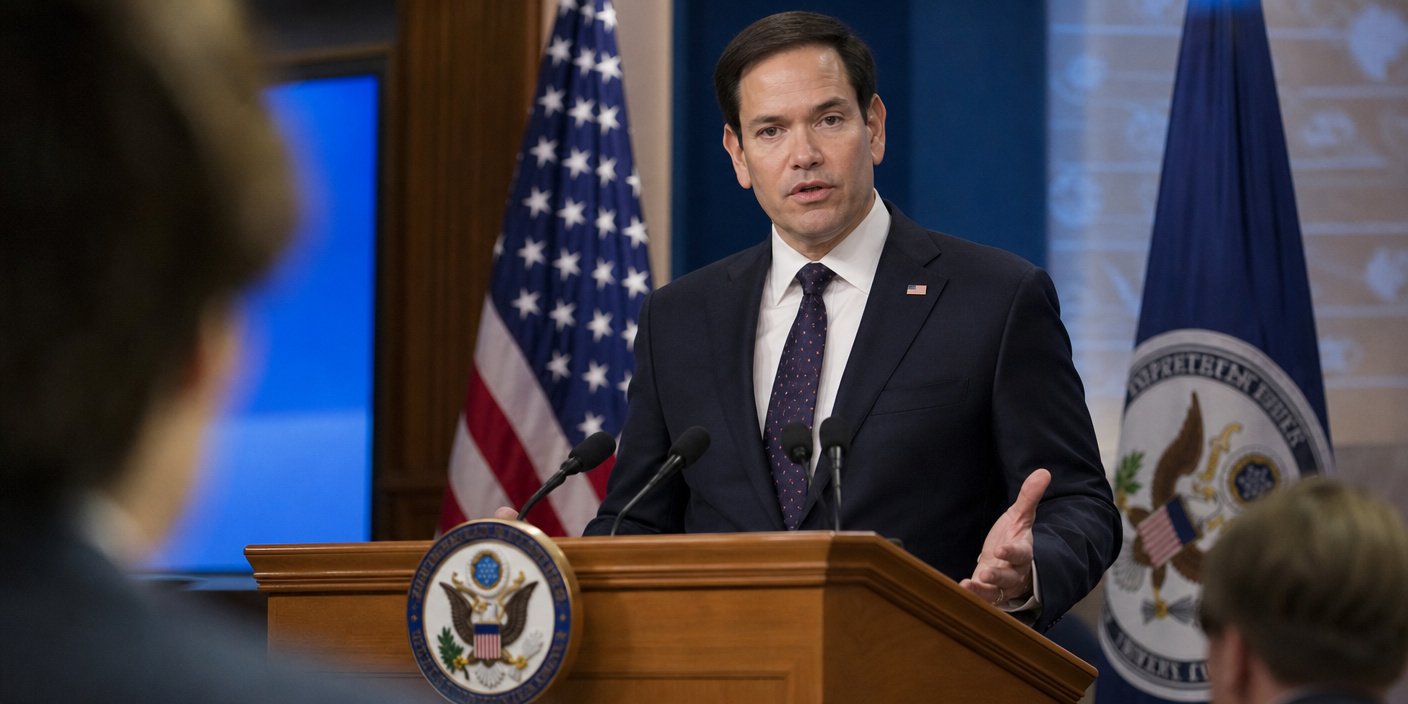
A coalition of 21 American states, led by several state Attorneys General, has filed a lawsuit challenging new U.S. Department of Justice (DOJ) restrictions on federal grant funding intended to support survivors of violent crimes. The legal action aims to block a rule that would prohibit the use of Victims of Crime Act (VOCA), Byrne Justice Assistance Grants (Byrne JAG), and Violence Against Women Act (VAWA) funds for providing legal services to undocumented immigrants or individuals unable to prove their immigration status. The restrictions are set to take effect on October 31, 2025.
Core of the Legal Challenge
The lawsuit contends that the DOJ’s new policy is unconstitutional and represents a significant departure from decades of established practice. For many years, VOCA, VAWA, and Byrne JAG grants have been utilized to offer a wide array of services to victims of domestic violence, sexual assault, human trafficking, and other serious crimes. These services have historically included legal representation, housing assistance, medical cost compensation, and other forms of civil legal aid, accessible to all eligible individuals regardless of their immigration status.


The states argue that the DOJ’s directive unlawfully attaches retroactive and ambiguous conditions to grants that have already been awarded. They also assert that the DOJ acted in violation of the Administrative Procedure Act by failing to adequately justify this reversal of long-standing policy and by disregarding the potential harm to survivors and service providers.
Implications for Crime Survivors and Service Providers
Attorneys General leading the coalition argue that these restrictions will significantly jeopardize funding for critical services, potentially impacting hundreds of thousands of survivors across the nation. In Washington state alone, an estimated 550 survivors in King, Clark, and Pierce counties were expected to receive legal services funded by Byrne JAG grants this year.
The coalition warns that the new rules will disrupt victim services programs, cut off essential resources, and discourage survivors from seeking help. A major concern is that service providers may be forced to screen victims’ and witnesses’ immigration status, a task many lack the capacity or resources to perform. This could lead to denying aid to families in crisis, effectively silencing survivors and eroding trust between communities and law enforcement. Furthermore, the states contend that the rule could even discourage lawful residents and U.S. citizens from seeking aid if they cannot immediately produce documentation in the aftermath of abuse, especially as abusers may withhold such documents to maintain control.
Background and Broader Context
The lawsuit is not the first legal challenge concerning these federal grants. In August 2025, a separate coalition filed a lawsuit challenging conditions imposed on VOCA grants that were intended to align with specific immigration enforcement priorities. The current legal action, filed in the U.S. District Court in the District of Rhode Island, is a direct response to a DOJ announcement made in late August or early September 2025, which alerted states to the new “Legal Services Condition”.
Victims of Crime Act (VOCA) funding, in particular, is derived from fines, penalties, and forfeited bail bonds paid by individuals convicted of federal crimes, not taxpayer dollars. Significant cuts to VOCA funding have been a concern in recent years, threatening the stability of programs that support millions of Americans who have experienced crime.
The Coalition’s Stance
Attorneys General from states including Washington, Massachusetts, New York, Colorado, Maryland, and Rhode Island are among the prominent figures leading this effort. They emphasize that all victims of violent crime deserve support, irrespective of their immigration status. They view the DOJ’s directive as a cruel and senseless attempt to prevent vulnerable individuals from accessing essential assistance and as an overreach of federal authority.
The coalition is seeking immediate injunctive relief to block the rule from taking effect, aiming to preserve access to justice and critical support services for all crime survivors. The outcome of this lawsuit could have profound implications for the future of crime victim services and the American justice system, particularly concerning access for marginalized populations.