The fashion world is holding its collective breath as production gears up for the 2026 release of The Devil Wears Prada 2, a sequel that promises to do more than just capitalize on nostalgia; it aims to fundamentally reinvent the fashion film genre for the digital age. Returning to the sleek, ruthless corridors of Runway magazine, the narrative is poised to explore the seismic shifts in media, influence, and the industry’s aesthetic landscape that have occurred in the two decades since the original film defined a generation of career-focused cinema.
Key Highlights
- The Return of Icons: Confirmed returns of core cast members, including Meryl Streep as Miranda Priestly and Emily Blunt as Emily Charlton, marking a massive cultural moment for cinema.
- Digital Disruption: The plot centers on the clash between traditional print editorial power and the rise of the digital influencer economy.
- 2026 Release Window: Production is slated to conclude in early 2026, positioning the film as a tentpole release for the year’s theatrical calendar.
- Evolving Aesthetic: Moving beyond the ‘Cerulean’ monologue, the film promises an updated visual lexicon reflecting today’s high-tech, sustainability-conscious luxury market.
The Runway Evolution: Redefining High Fashion Cinema
The original 2006 film was more than a box office success; it was a cultural artifact that cemented the archetype of the ‘demanding editor’ while serving as a visceral documentation of the print journalism era. In 2026, the challenge for the creative team behind The Devil Wears Prada 2 is not just to replicate that magic, but to translate the visceral energy of high-stakes fashion into a world saturated with social media, direct-to-consumer luxury brands, and the democratizing influence of TikTok fashion cycles.
The Digital-First Conflict
In the upcoming sequel, the central conflict is expected to pivot away from the ‘physical gatekeeper’ model toward the tension between editorial prestige and algorithm-driven virality. Miranda Priestly’s traditional authority faces its stiffest challenge yet: not from a rival editor, but from the rapid obsolescence of print media. Industry analysts suggest the film will lean into the internal struggle of legacy publications attempting to maintain relevance while battling the influencers who can shift markets with a single post. This thematic shift transforms the story from a personal coming-of-age drama into a broader critique of the attention economy.
Character Arcs and Industry Growth


Early reports indicate a fascinating evolution for the primary cast. We are expected to see a more seasoned, perhaps more cynical, Emily Charlton navigating a landscape where her loyalty to the ‘old guard’ puts her in a precarious position against newer, tech-savvy subordinates. The dynamic between Miranda and her peers is projected to be more collaborative yet inherently cutthroat, reflecting the current ‘survival of the fittest’ climate in high fashion conglomerates. The film serves as a meta-commentary on its own existence—a legacy brand attempting to re-establish its value in an ecosystem that often prefers the ephemeral.
Economic Impact on the Fashion Film Genre
Beyond the narrative, the production is expected to act as a significant economic driver. The ‘Prada Effect’ of 2006 saw luxury brands experience immediate upticks in engagement following the film’s release. In 2026, with the integration of global e-commerce and livestream shopping, the film is positioned to be a masterclass in product placement and brand storytelling. Studios are already eyeing the sequel to set new standards for how luxury brands integrate into streaming and theatrical narratives, moving from simple props to full-scale strategic partners.
Visual Language of the Sequel
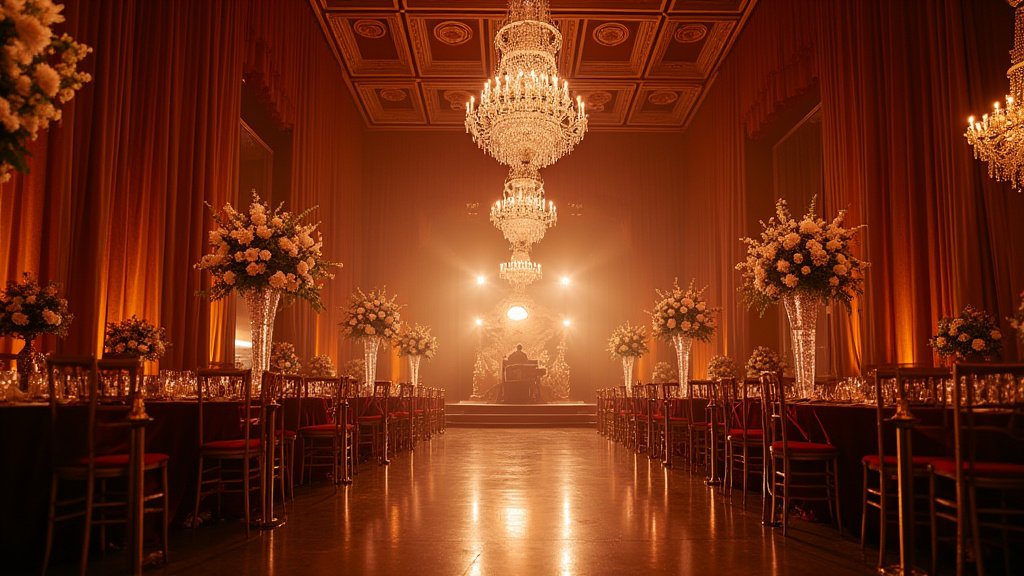
Visually, the film is expected to move away from the minimalist, stark white office aesthetic of the original. Expect a visual shift toward ‘Dark Luxury’—a moody, high-contrast, and deeply textured visual language that mirrors the current mood in high fashion. This aesthetic choice is intended to differentiate the film from the bright, saturated aesthetic of modern rom-coms and ground it firmly in the serious, intellectual prestige space where the original thrived.
FAQ: People Also Ask
1. Is Meryl Streep definitely returning for The Devil Wears Prada 2?
Yes, reports have confirmed that Meryl Streep is slated to reprise her iconic role as Miranda Priestly, bringing the same level of intensity and complexity that defined the original character.
2. How does the 2026 sequel differ from the 2006 original?
While the original explored the power of print magazines, the 2026 sequel focuses on the digital transformation of the fashion industry and the struggle for relevance in an era dominated by social media influencers and algorithmic trends.
3. Will the original fashion team return for the sequel’s aesthetic?
Production is working with a mix of veteran costume designers who worked on the original and new-age consultants to ensure the fashion featured in the film feels both nostalgic and cutting-edge for the 2026 market.
4. Is this film a direct sequel or a reboot?
It is confirmed as a direct sequel, picking up years after the original events, focusing on how the characters have adapted to the changing landscape of the fashion world.