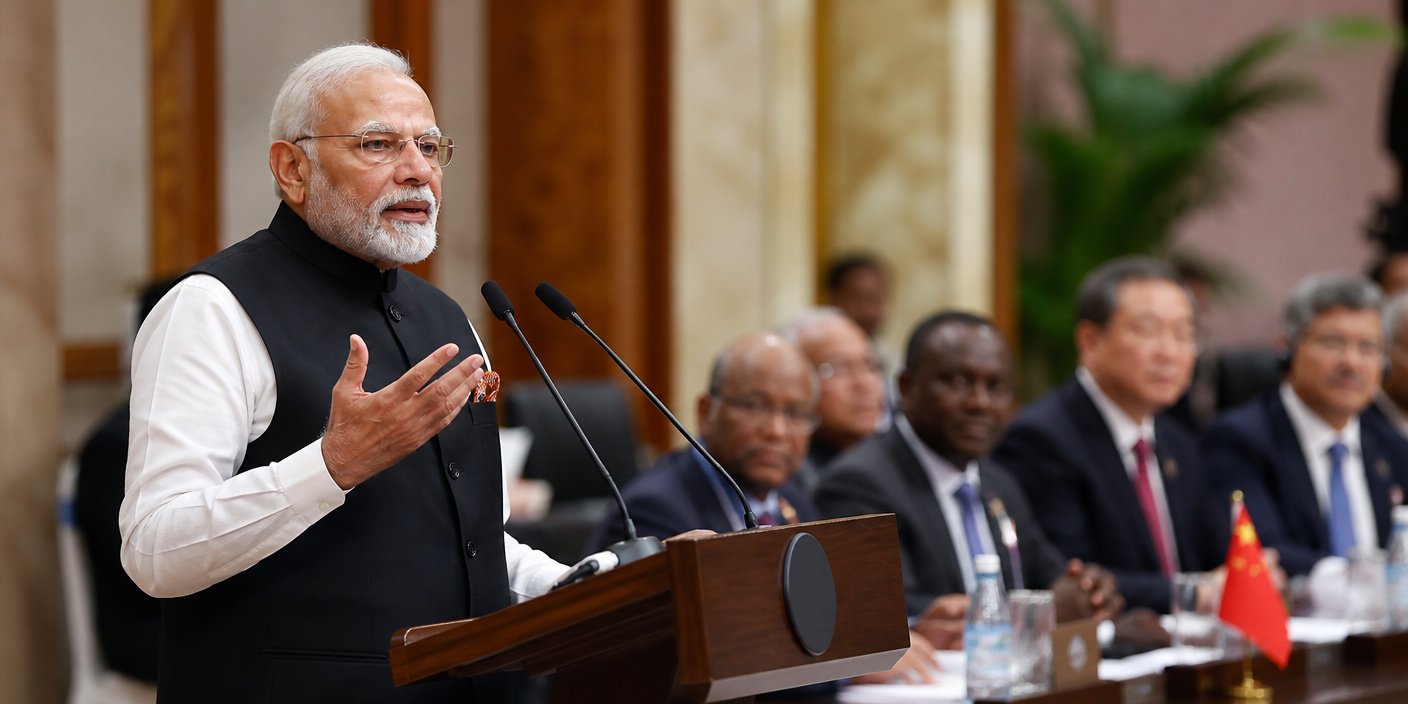
Former President Donald Trump has cast doubt on a new peace proposal from Iran, while also indicating a significant reduction in U.S. troops stationed in Germany, signaling a shift in foreign policy priorities and international relations.
Key Highlights:
- Trump expresses skepticism regarding Iran’s latest peace initiative.
- U.S. troop presence in Germany is slated for a substantial decrease.
- The moves suggest a potential recalibration of American foreign policy objectives.
- International observers are closely monitoring the implications of these declarations.
Shifting Global Stances: Trump’s Diplomatic and Military Declarations
The international stage is abuzz following recent pronouncements from former President Donald Trump, which appear to signal a significant reevaluation of U.S. foreign policy. In a move that has raised eyebrows among global diplomats, Trump has publicly cast doubt on the sincerity and viability of a new peace proposal put forth by Iran. This skepticism comes at a critical juncture, as diplomatic channels are constantly seeking avenues for de-escalation and resolution in a volatile region. The specific details of Iran’s proposal remain under scrutiny, but the former president’s immediate dismissal suggests a deep-seated distrust or a strategic maneuver to regain leverage in future negotiations. This stance could have far-reaching consequences, potentially hardening positions on all sides and complicating ongoing efforts to foster stability.
Geopolitical Implications of Iran Skepticism
The Trump administration’s past approach to Iran was characterized by a ‘maximum pressure’ campaign, including the withdrawal from the Joint Comprehensive Plan of Action (JCPOA), commonly known as the Iran nuclear deal. His current skepticism about a new peace proposal could indicate a continuation of this assertive, and at times confrontational, foreign policy. Analysts are dissecting whether this is a genuine assessment of the proposal’s merits or a tactical play to extract concessions. The implications for regional security are profound, particularly concerning Iran’s nuclear program and its influence in the Middle East. Any perceived weakening of diplomatic resolve could embolden hardliners and increase the risk of miscalculation.
A Strategic Realignment: Troop Reductions in Germany


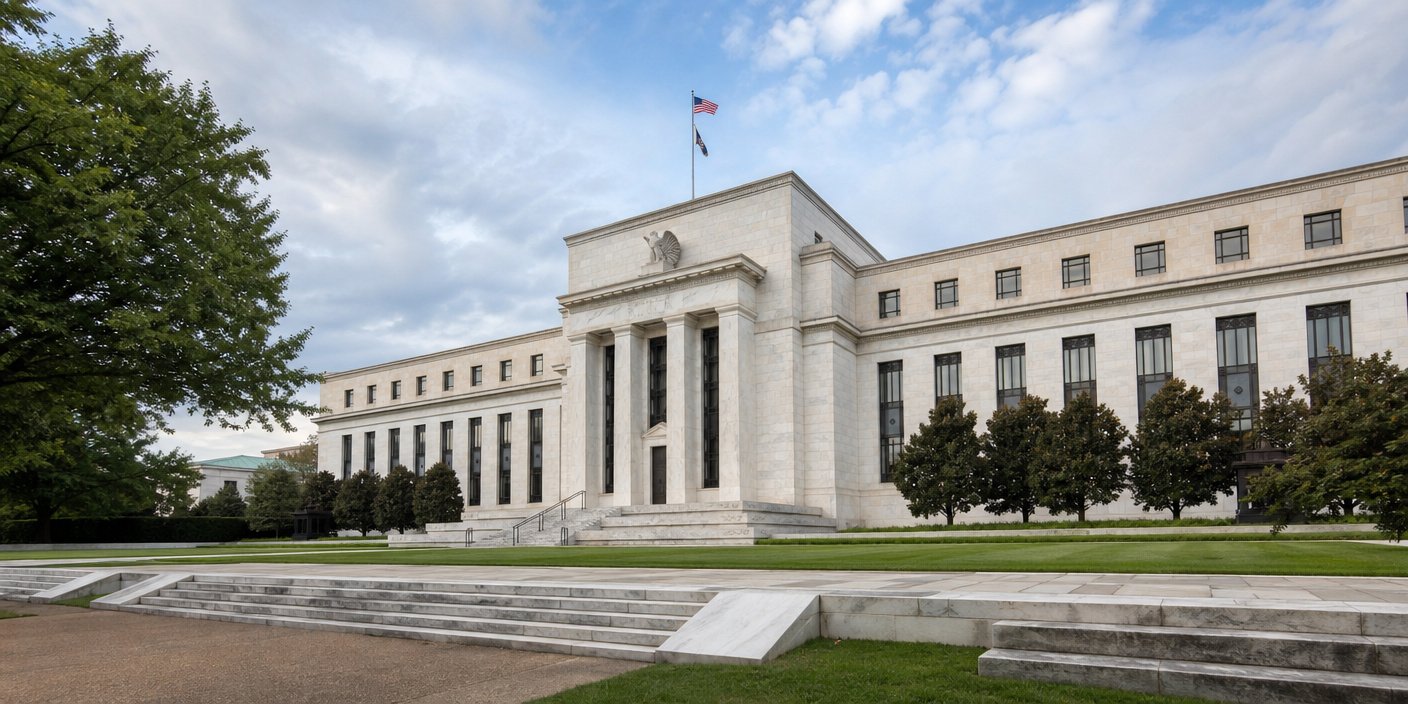
In parallel, Trump announced a significant reduction in U.S. troops stationed in Germany. This decision, if fully implemented, would represent a substantial shift in the long-standing U.S. military footprint in Europe. Germany has been a crucial strategic hub for American military operations and a key NATO ally for decades. The rationale behind such a drastic cut is likely multifaceted, potentially stemming from a desire to reallocate resources to other strategic priorities, a renegotiation of defense burden-sharing with allies, or a broader reassessment of global military deployments. The announcement has inevitably sparked discussions about the future of NATO, European security architecture, and the commitment of the United States to its traditional alliances.
Impact on Transatlantic Relations and NATO
The reduction of U.S. forces in Germany is likely to be met with concern by many European nations. Germany has historically served as a vital logistical and operational base for U.S. military activities in Europe, Africa, and the Middle East. A significant drawdown could impact NATO’s collective defense capabilities and its ability to project power. It also raises questions about the reliability of U.S. security commitments to its European allies, especially in light of ongoing geopolitical challenges, including Russian assertiveness. European leaders will likely be looking for assurances and clarity on the future of U.S. engagement in the region.
Economic and Security Considerations
The economic implications of troop reductions are also noteworthy. U.S. military bases contribute significantly to local economies in host nations through personnel spending, contracts, and infrastructure development. A substantial withdrawal could lead to economic adjustments in affected German communities. Furthermore, the security calculus involves the strategic positioning of forces. Any redeployment would need to consider the evolving threat landscape and ensure that U.S. military readiness is maintained or enhanced in critical areas.
Frequently Asked Questions
What is the context of Iran’s new peace proposal?
While the specifics of Iran’s latest peace proposal have not been fully disclosed to the public, it is understood to be an initiative aimed at de-escalating regional tensions and potentially engaging in diplomatic dialogue. The nature of the proposal and its reception by international actors like the former U.S. president are key factors in assessing its potential impact on ongoing diplomatic efforts in the Middle East.
Why would the U.S. reduce troops in Germany?
Potential reasons for reducing U.S. troops in Germany include a strategic reallocation of military resources to other global hotspots, a desire to increase burden-sharing among NATO allies, or a broader reassessment of the U.S. military’s global posture. Such decisions are typically complex, involving defense strategy, geopolitical considerations, and allied relations.
How might Trump’s stance affect U.S.-Iran relations?
Former President Trump’s skepticism towards Iran’s peace proposal could signal a continuation of a hardline U.S. policy towards Iran, potentially leading to increased diplomatic friction and an intensification of sanctions or other pressure tactics. It may also indicate a lack of confidence in the current administration’s foreign policy approach to Iran.
What are the broader implications for NATO and European security?
A significant reduction in U.S. forces in Germany could raise concerns within NATO about the strength of the U.S. commitment to European defense. Allies might perceive a need to bolster their own defense capabilities and seek greater strategic autonomy, potentially altering the dynamics of the transatlantic alliance.
What does it mean for U.S. foreign policy to ‘cut troops in Germany way down’?
This phrase suggests a substantial and significant reduction in the number of U.S. military personnel stationed in Germany. Germany has long hosted a large contingent of U.S. troops, serving as a key logistical and operational hub for NATO and U.S. military operations in Europe. A large-scale drawdown would mark a notable shift in U.S. military presence and strategic posture in the continent.