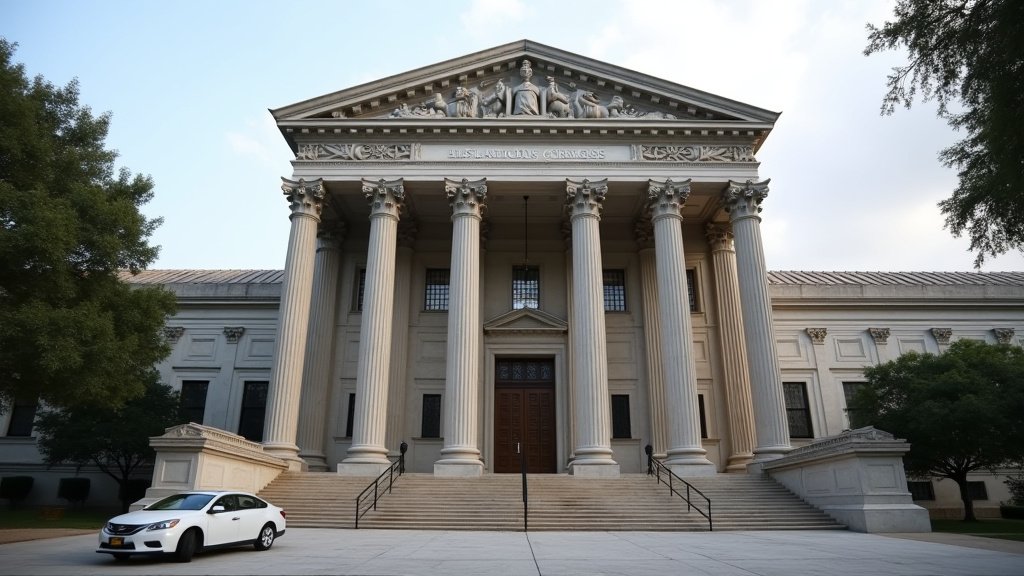
Former President Donald Trump announced that an agreement with Iran regarding its nuclear program is nearing completion and will be revealed “shortly.” This statement comes as local authorities in Pennsylvania prepare for a potential evacuation due to a chemical tank posing a public safety risk. The dual focus highlights ongoing international diplomatic efforts alongside immediate domestic concerns.
Key Highlights:
- Donald Trump stated an Iran agreement is forthcoming.
- The announcement comes amid a separate chemical emergency in Pennsylvania.
- Details of the Iran deal remain undisclosed.
- The chemical incident requires immediate safety protocols.
Navigating Dual Crises: Diplomacy and Domestic Safety
This period underscores a complex geopolitical and domestic landscape, with significant developments unfolding on international diplomatic fronts and immediate, localized safety concerns. The former President’s remarks about the Iran deal suggest a potential shift or conclusion to prolonged negotiations, though specifics about the agreement’s terms and implications are scarce. The announcement itself, made without a comprehensive briefing, adds an element of anticipation and speculation to the international stage. It is crucial to understand the context of such pronouncements, especially given the intricate history of U.S.-Iran relations and the persistent questions surrounding Iran’s nuclear ambitions.
The Iran Deal’s Shadowy Approach

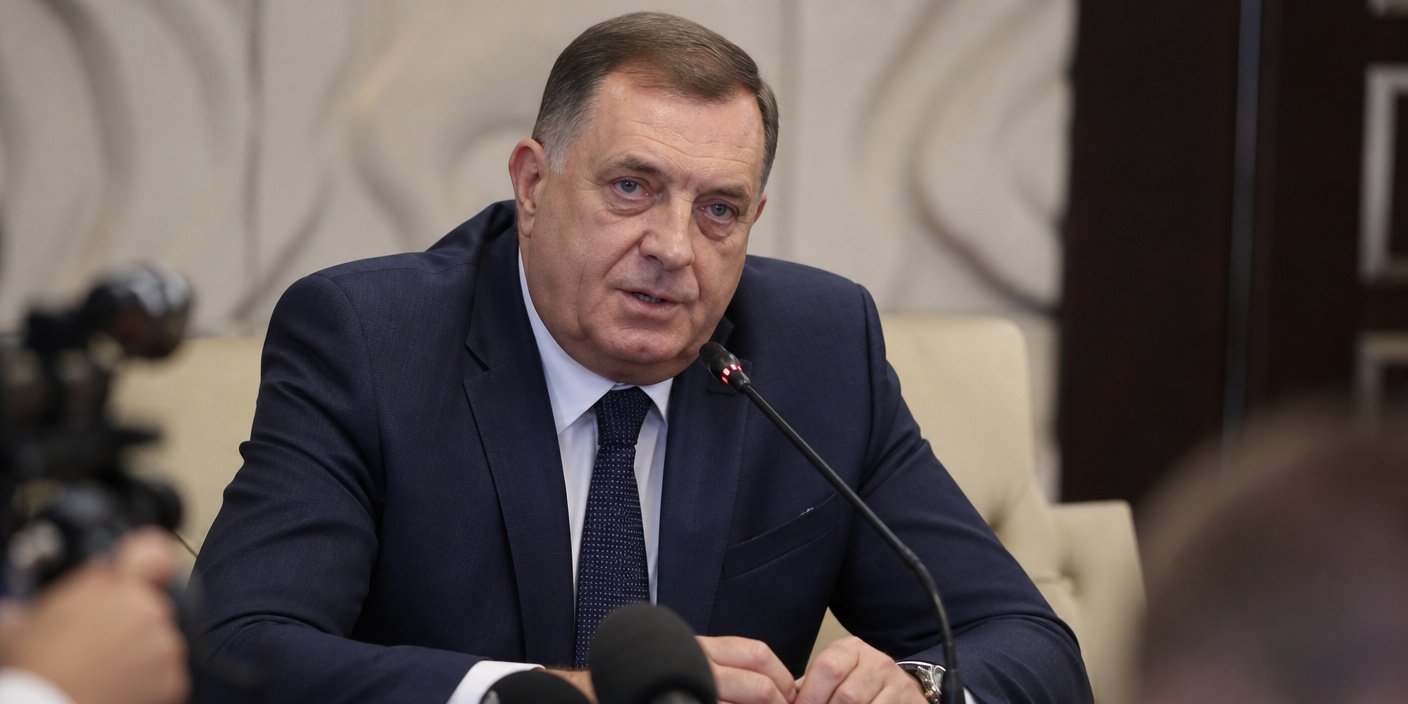

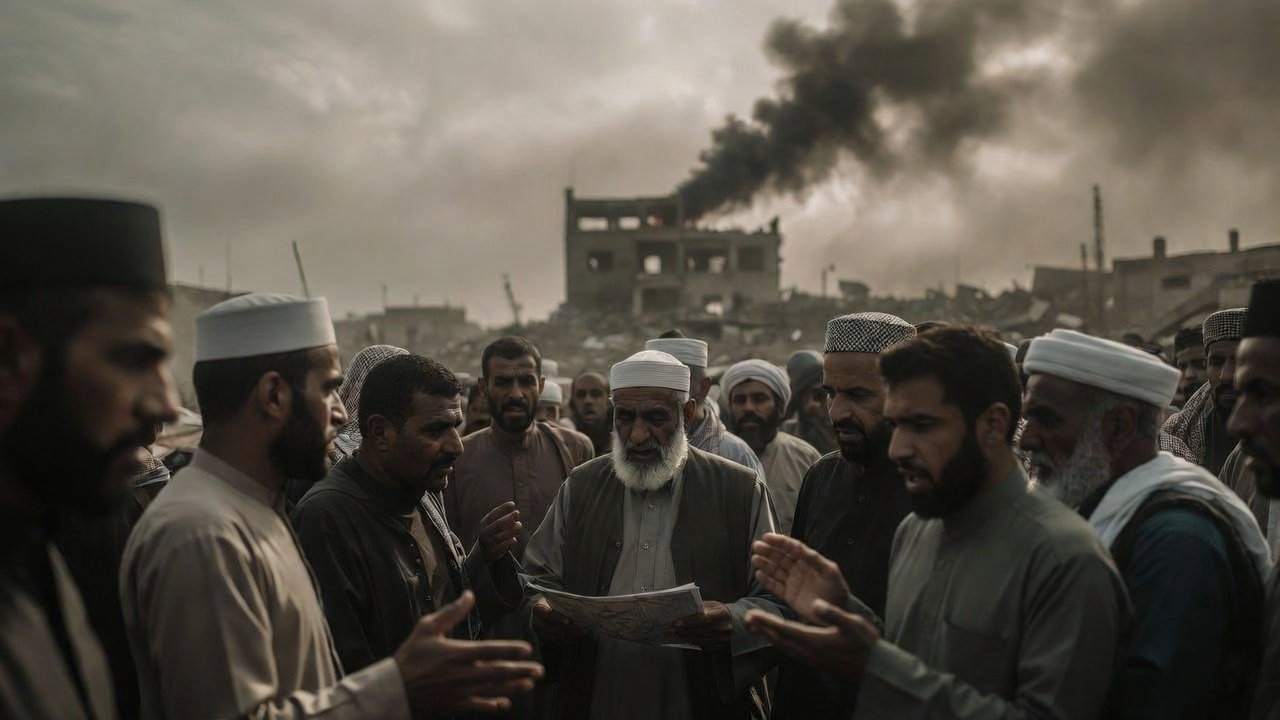
For years, the international community has grappled with Iran’s nuclear program. The Joint Comprehensive Plan of Action (JCPOA), signed in 2015, aimed to curb Iran’s uranium enrichment in exchange for sanctions relief. However, the U.S. withdrawal from the deal under the Trump administration in 2018 complicated these efforts, leading to a period of heightened tensions and Iran’s subsequent acceleration of its nuclear activities. Recent months have seen indirect talks aimed at reviving some form of agreement, with the United States and its allies seeking assurances that Iran’s program remains peaceful. Trump’s latest statement, if indicative of a finalized deal, could represent a significant, albeit sudden, diplomatic breakthrough. However, without concrete details, it remains a point of considerable uncertainty. The entities involved in these negotiations are numerous, including the P5+1 nations (the five permanent members of the UN Security Council—China, France, Russia, the United Kingdom, and the United States—plus Germany), the European Union, and Iran itself. The International Atomic Energy Agency (IAEA) plays a critical oversight role, monitoring Iran’s nuclear facilities and compliance with any agreements.
Emergency in Pennsylvania: A Chemical Conundrum
Simultaneously, a pressing domestic issue emerged in a yet-to-be-specified location in Pennsylvania, where a chemical tank presented a serious public safety threat, necessitating potential evacuations. Such incidents, while localized, demand immediate and decisive action from emergency responders and local government. The risks associated with hazardous materials can range from toxic fumes and explosions to long-term environmental contamination. The process of managing such a crisis typically involves a multi-agency response, including hazardous materials teams, fire departments, law enforcement, and public health officials. Establishing a safety perimeter, assessing the chemical’s properties, and implementing containment or mitigation strategies are paramount. The decision to evacuate residents is a critical step taken when the immediate risk to public health outweighs the disruption caused by displacement. This situation highlights the vital importance of robust emergency preparedness and response infrastructure at the local level.
Intersecting Narratives: A World of Urgent Matters
The juxtaposition of a high-stakes international diplomatic announcement and a critical local emergency creates a compelling narrative. It suggests a world where global events and immediate community concerns often occur concurrently, demanding attention and resources across multiple fronts. For policymakers, this duality presents challenges in resource allocation and strategic focus. For the public, it serves as a reminder of the interconnectedness of global affairs and the essential role of local safety measures. The economic implications of both scenarios are also considerable. A revived Iran deal could impact global oil markets and geopolitical stability, while a chemical spill could lead to significant cleanup costs, health impacts, and potential damage to local economies. The future predictions for both situations remain uncertain: the Iran deal’s longevity and effectiveness are yet to be proven, and the resolution of the chemical incident will depend on the successful containment and remediation efforts.
FAQ: People Also Ask
What is the current status of the Iran nuclear deal?
Details remain scarce, but former President Donald Trump has stated that an agreement will be announced “shortly.” This follows a period of intense, often indirect, negotiations aimed at reviving or replacing the original Joint Comprehensive Plan of Action (JCPOA).
What are the main concerns regarding Iran’s nuclear program?
International bodies and several countries are concerned that Iran’s uranium enrichment activities could be geared towards developing nuclear weapons, rather than for peaceful energy purposes. The JCPOA sought to place limitations on these activities.
What are the risks associated with a chemical tank emergency?
Chemical tank emergencies can pose severe risks including toxic gas releases, fires, explosions, and environmental contamination. These can lead to immediate health issues for nearby populations, long-term health consequences, and significant environmental damage.
How are chemical emergencies typically managed?
Management involves a coordinated response from emergency services, including hazardous materials teams, to assess the situation, contain the hazard, mitigate risks, and, if necessary, order evacuations to ensure public safety. This is often guided by established emergency response plans.
Can international diplomacy be affected by local emergencies?
While distinct, major international events and local crises can sometimes overlap in public consciousness and media coverage. Both require significant attention from various levels of government and can impact public perception of stability and governance.