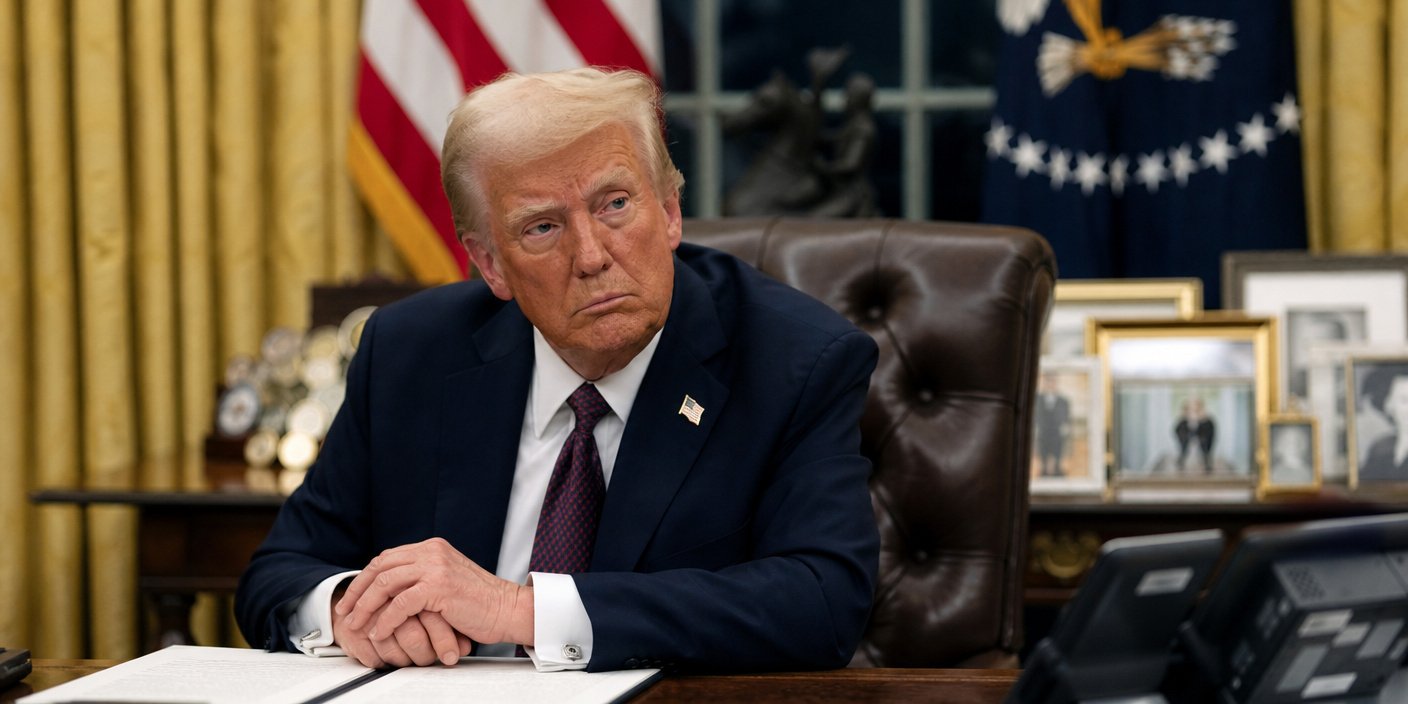
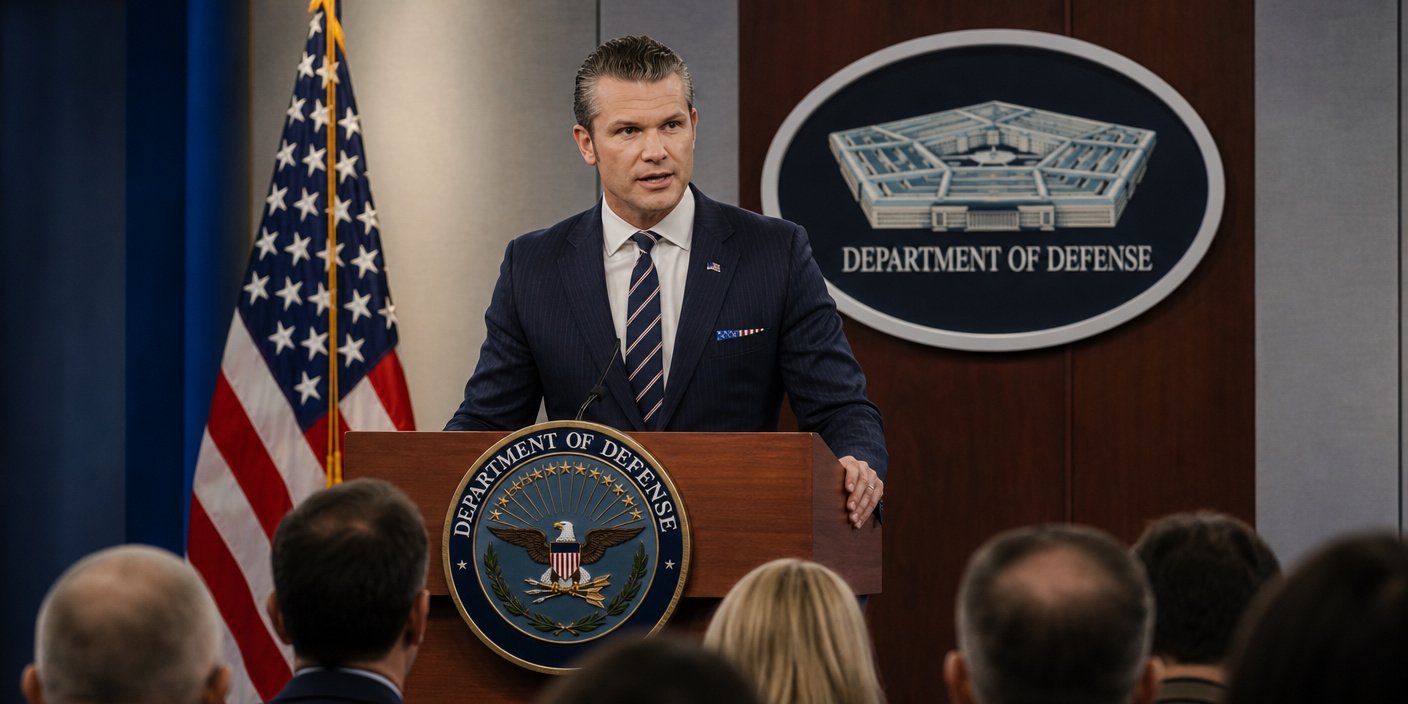
The window for diplomatic resolution in the ongoing U.S.-Iran conflict is rapidly narrowing as President Donald Trump indicates that the current two-week ceasefire, established in early April 2026, may not be extended. Speaking to reporters aboard Air Force One, the President underscored a rigid ultimatum: if a comprehensive agreement is not reached by the April 22 deadline, the United States is prepared to resume military operations, including potential airstrikes, against Iranian targets. This latest signal of resolve comes against the backdrop of a continued U.S. naval blockade in the Strait of Hormuz, a chokehold on global energy transit that the White House insists will remain in place regardless of the truce’s status. As delegations prepare for critical negotiations in Islamabad, the international community watches with baited breath, weighing the likelihood of a last-minute breakthrough against the looming prospect of a renewed regional conflict.
Key Highlights
- April 22 Ultimatum: The two-week ceasefire, which halted major military exchanges, is set to expire this coming Wednesday, with President Trump signaling hesitation regarding a renewal.
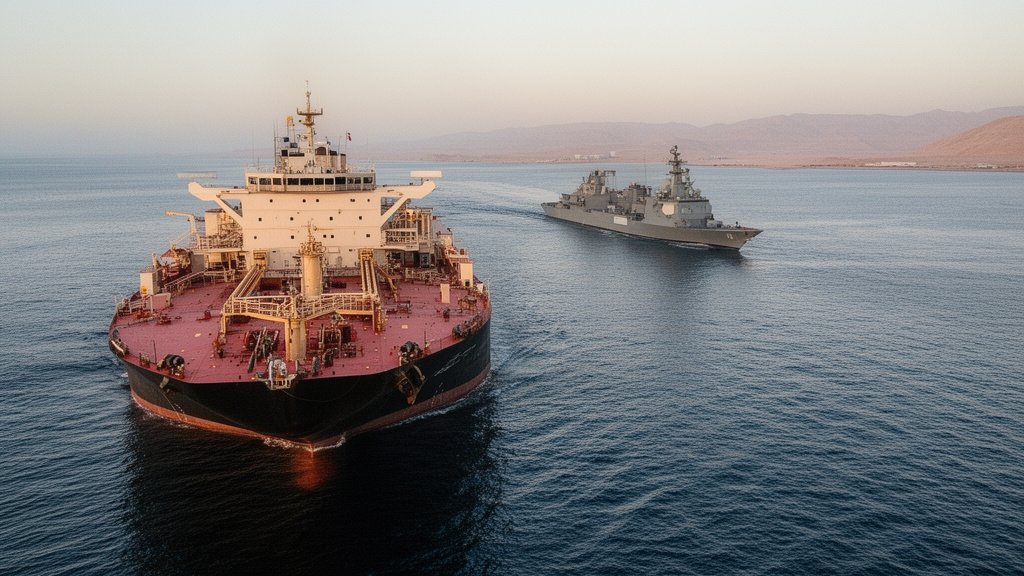
- The Blockade Remains: Regardless of the ceasefire’s status, the U.S. naval blockade of Iranian ports and the Strait of Hormuz will continue, serving as a primary lever of economic pressure.
- Renewed Threat: President Trump has explicitly warned that if a deal is not finalized by the deadline, the U.S. military may be compelled to resume bombing operations.
- Diplomatic Efforts: High-level negotiations are scheduled to continue in Islamabad, involving international mediators attempting to bridge the gap between Washington’s demands for total nuclear transparency and Tehran’s push for sanctions relief.
The Fragile Truce: Diplomatic Brinkmanship in the Strait of Hormuz
The current state of the U.S.-Iran conflict is defined by a paradoxical calm. While the kinetic violence that defined the early months of 2026 has temporarily subsided, the underlying geopolitical infrastructure of the war—namely, the U.S.-led naval blockade—continues to function with high intensity. This creates a unique “active-containment” environment. The blockade, enforced by Central Command (CENTCOM), has significantly altered the flow of global commerce, particularly regarding oil and liquefied natural gas (LNG) transiting through the Strait of Hormuz. By keeping this blockade active while negotiations proceed, the Trump administration has essentially placed a ticking clock on the Iranian economy, forcing the regime in Tehran to navigate a binary choice: comply with stringent U.S. demands or face the economic and military consequences of a re-escalation.
The Anatomy of the Escalation
To understand the gravity of the President’s recent statements, one must analyze the sequence of events since the conflict reignited in early 2026. Following the failure of the initial negotiations in Rome and Geneva, the situation deteriorated rapidly, leading to the exchange of strikes that necessitated the current ceasefire. The administration’s strategy appears to be a classic application of “maximum pressure” 2.0—leveraging tactical military silence to create an environment where the perceived cost of continued defiance is higher than the cost of compliance.
However, the strategy is fraught with danger. Iranian negotiators, led by figures seeking to preserve the regime’s regional influence, have pushed back against what they characterize as “excessive” and “unacceptable” U.S. demands. The core sticking points remain the total dismantlement of uranium enrichment infrastructure and the cessation of support for regional proxy militias. From Tehran’s perspective, these are existential concessions; from Washington’s perspective, they are the baseline for a durable, long-term peace agreement.
Economic Ripples and Market Volatility
The uncertainty surrounding the April 22 deadline has sent tremors through global financial markets. Because the Strait of Hormuz is a critical artery for roughly 20% of the world’s petroleum, the mere suggestion that a ceasefire might collapse has caused volatility in energy futures. While some traders are betting on a successful extension—citing the precedent of recent diplomatic shuttle diplomacy—the risk premium on oil has remained elevated. A resumption of hostilities would likely cause a sharp spike in energy prices, potentially impacting inflation metrics and industrial output across Asia and Europe, which remain heavily dependent on Gulf energy flows.

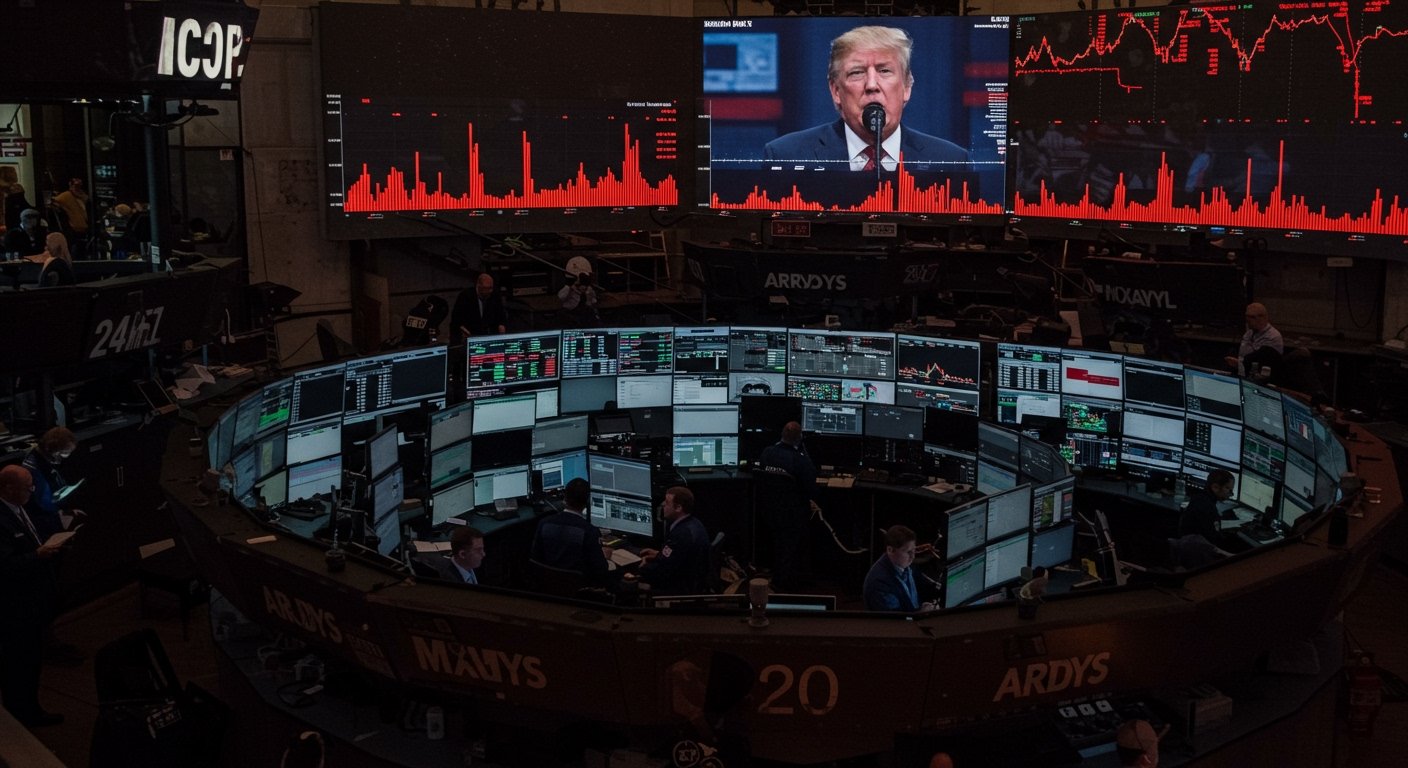
Financial institutions and shipping companies are currently operating in a state of hyper-vigilance. The U.S. Treasury’s ongoing enforcement of sanctions against networks tied to Iranian oil smuggling adds another layer of complexity. The administration’s commitment to keeping the blockade in place even without a deal signals that Washington is moving away from the “all-or-nothing” diplomacy of the past and toward a model of persistent containment, regardless of whether a formal peace treaty is signed. This shift in policy—a permanent naval presence combined with selective economic strangulation—could represent a long-term strategic pivot in U.S. Middle East policy, one that prioritizes maritime dominance and economic leverage over traditional nation-building or diplomatic integration.
The View from the Negotiating Table
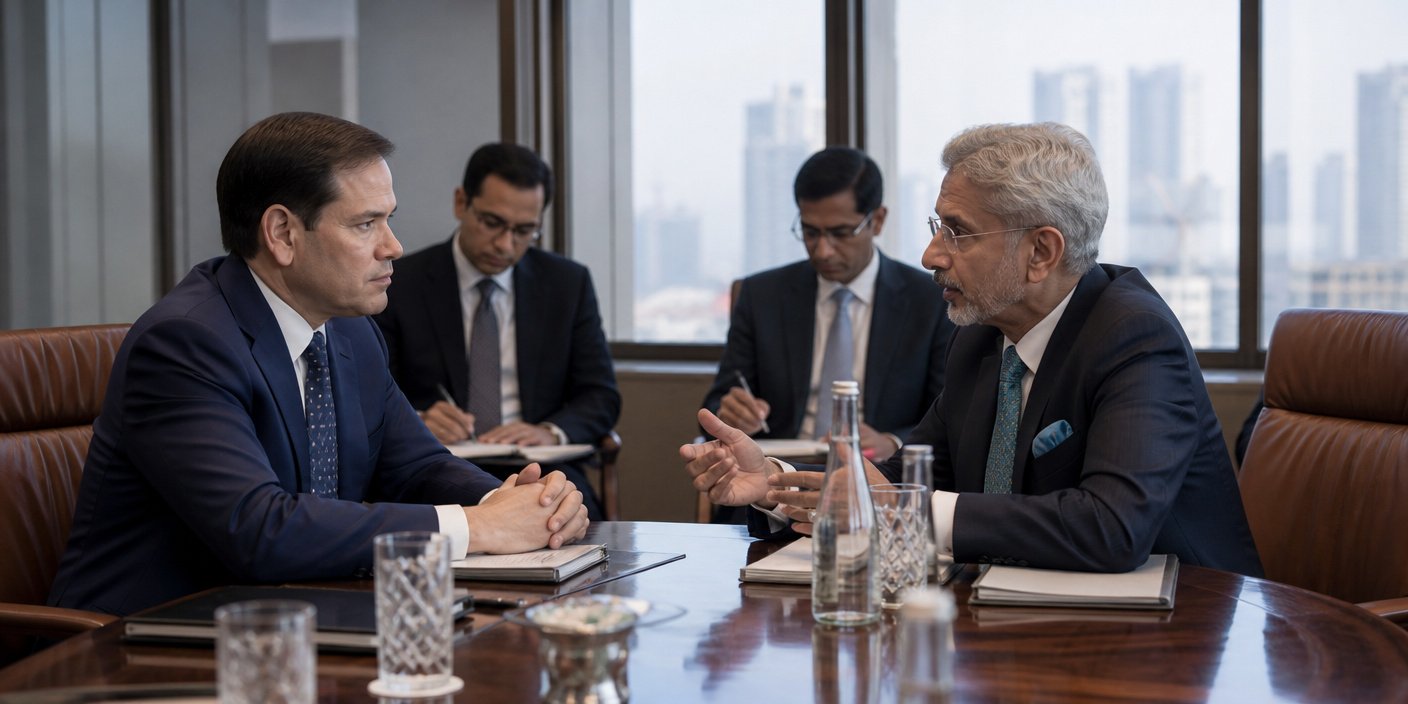
The upcoming round of talks in Islamabad represents a crucial, perhaps final, opportunity for a peaceful resolution before the deadline. Pakistan, acting as a regional mediator, faces the immense challenge of aligning two deeply entrenched positions. The Iranian foreign ministry has publicly rejected the latest proposals from Washington, labeling them as “propaganda-driven,” yet the persistence of their diplomatic delegation suggests a desire to avoid an all-out renewal of kinetic warfare.
Analysts note that the Trump administration’s rhetoric—which often combines hardline public ultimatums with a stated belief that “things will go well”—is a deliberate negotiating tactic. By creating a credible threat of renewed military force, the administration seeks to force the Iranian side to accelerate their decision-making process. The question remains, however, whether Tehran is capable of making the required concessions given its domestic political pressures. The internal situation in Iran, characterized by economic stagnation and a populace weary of the conflict, adds an unpredictable variable to the negotiations. If the regime believes that a retreat would incite further domestic unrest, they may choose to risk the military consequences rather than sign an agreement they perceive as a total capitulation.
Looking Toward the Deadline
As the world approaches April 22, the strategic calculus for both Washington and Tehran is entering its most intense phase. If the ceasefire is not extended, the conflict will likely shift from a tense, blockaded standoff into a more active phase of kinetic engagement. The U.S. military’s capacity to execute precision strikes on dual-use infrastructure is a known variable; what remains unknown is the extent of Iran’s conventional and unconventional retaliatory capacity.
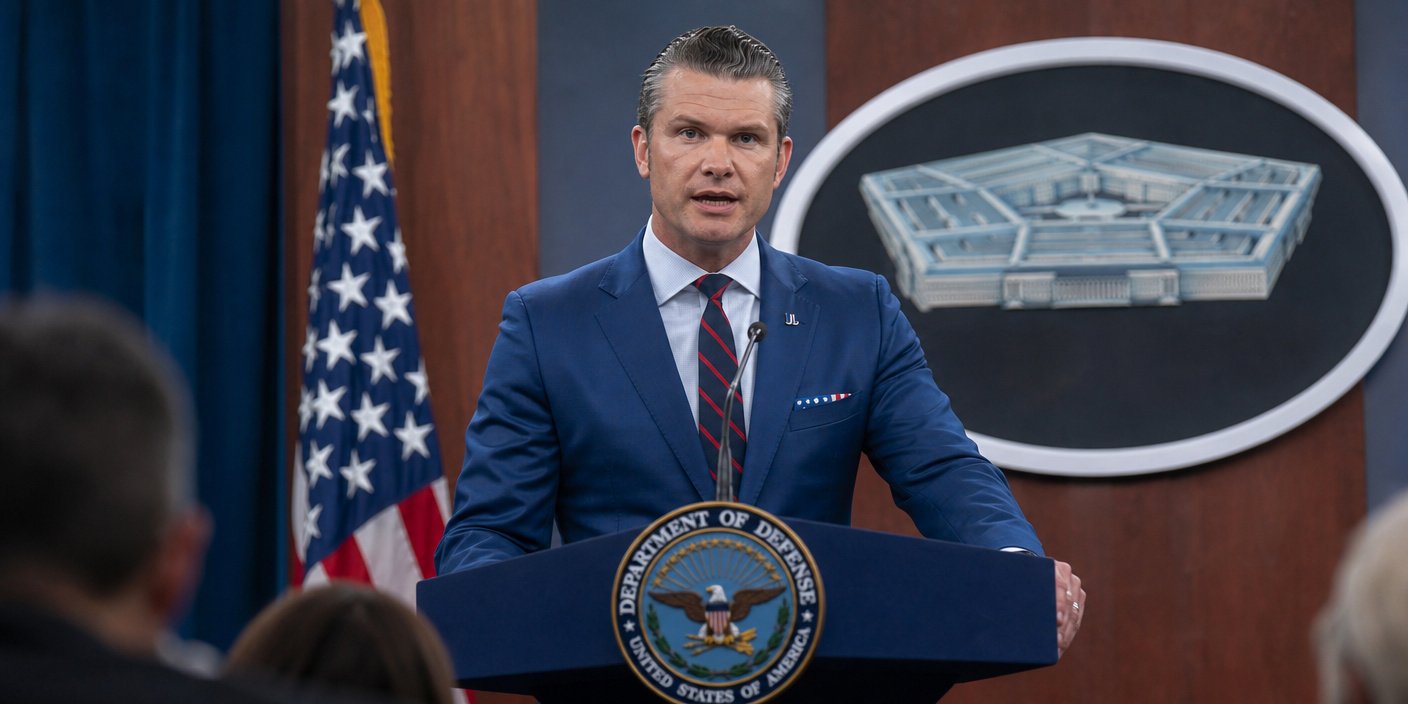
Regional actors, including Gulf Arab states and Turkey, are closely monitoring the situation, preparing for potential spillover effects. The U.S. has maintained a robust military posture in the region, ensuring that a return to combat would be met with an overwhelming display of force. However, the goal remains a stable, long-term resolution. As the negotiators gather in Islamabad, the hope is that the threat of the blockade and the looming deadline will be sufficient to secure a deal that prevents further bloodshed in an already scarred region.
FAQ: People Also Ask
1. What happens if the ceasefire expires without a deal?
If the ceasefire expires on April 22 without a new agreement, President Trump has indicated that the U.S. military is prepared to resume active bombing operations. The U.S. naval blockade of Iranian ports and the Strait of Hormuz will remain in effect regardless of the ceasefire’s status.
2. Why is the Strait of Hormuz so critical to this conflict?
The Strait of Hormuz is one of the world’s most vital energy chokepoints, through which approximately 20% of the global supply of petroleum and liquefied natural gas transits. Controlling or blockading this waterway gives the U.S. massive economic leverage over Iran and forces global powers to take a keen interest in the conflict’s outcome.
3. Who is mediating the current negotiations?
Recent high-level talks have taken place in Islamabad, Pakistan. Pakistan is serving as a key regional mediator, attempting to facilitate dialogue between the U.S. and Iran to prevent a breakdown of the current truce and move toward a long-term resolution.
4. What are the main obstacles to a final agreement?
Key sticking points include the total dismantlement of Iran’s uranium enrichment infrastructure, the lifting of U.S. economic sanctions, and the cessation of Iranian support for regional proxy militias. Both sides have accused the other of making unrealistic demands.