The atmosphere inside The Colosseum at Caesars Palace was thick with anticipation on Thursday, April 16, 2026, as Paramount Pictures closed out its massive CinemaCon presentation. While the room was already buzzing over a surprise “Top Gun 3” announcement and the official reveal of a “Call of Duty” feature film, the energy shifted palpably the moment Johnny Depp stepped onto the stage. Marking a significant return to the center of the Hollywood blockbuster machine, Depp arrived to introduce footage from his upcoming film, Ebenezer: A Christmas Carol. His appearance served as a focal point for the convention, embodying the industry’s complex relationship with one of its most recognizable—and scrutinized—stars, as the theatrical world watches to see if this comeback will stick.
The ‘Ebenezer’ Revelation
Directed by Ti West, the creative force behind the X horror trilogy, Ebenezer: A Christmas Carol promises to be a stark departure from the traditional, whimsical holiday adaptations audiences are accustomed to. The footage screened for theater owners was reportedly dark, atmospheric, and gothic, leaning heavily into horror elements that West is known for. Depp, appearing in character as a brooding, cynical Scrooge, was depicted withholding bonuses, terrifying villagers, and interacting with spectral apparitions that looked closer to the macabre than the quaint.
“It really has been an extraordinary privilege,” Depp told the audience, noting he has been obsessed with the story since childhood. His transformation is being touted as a “mean and miserable” take on the character, signaling that Paramount is looking to capitalize on darker, genre-bending storytelling. The cast, which includes heavyweights like Ian McKellen as Jacob Marley and Andrea Riseborough as the Ghost of Christmas Past, suggests a project that prioritizes acting pedigree alongside stylistic flair. The film is currently slated for a November 13, 2026, release, setting the stage for a potentially disruptive entry in the competitive holiday box office.
A Divided Reception in a Shifting Industry

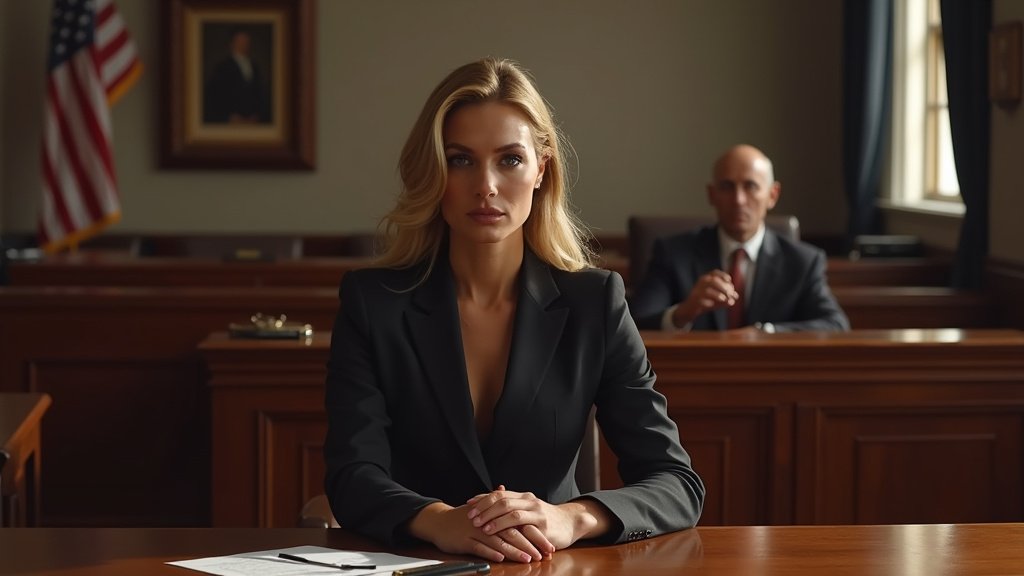
Johnny Depp’s return to a major studio presentation was never going to be a quiet affair. The response within the venue was a striking reflection of the broader public discourse surrounding the actor. As he walked out, he was met with wild applause and vocal support from attendees, highlighting the enduring intensity of his fanbase. However, beneath the cheers, there was a palpable undercurrent of hesitation—a reflection of the difficult years Depp has weathered following his high-profile legal battles.
Industry insiders remain cautiously optimistic, waiting to see how general audiences will react when the film hits theaters. The split reaction—a mix of celebrity worship and industry wariness—underscores the precarious nature of “comeback” narratives in 2026. Paramount, however, seems confident. By placing Depp front-and-center, the studio is betting that his ability to draw a crowd, combined with Ti West’s specific, cult-hit aesthetic, will outweigh any lingering controversies. This strategy mirrors a trend in modern Hollywood: studios are increasingly willing to place big bets on established, albeit polarizing, stars if they believe the project can dominate the cultural conversation.
The Paramount Power Play: Beyond the Controversy
While Depp’s appearance dominated social media feeds, the event was also a massive statement of intent for Paramount Pictures. CEO David Ellison, addressing the room, signaled that the studio is doubling down on massive, theatrical-first franchises. The announcement of Top Gun 3, featuring the return of Tom Cruise and producer Jerry Bruckheimer, effectively stole the headline space for a significant portion of the day.
Furthermore, the announcement of a Call of Duty film, set for 2028, and the commitment to a strict 45-day exclusive theatrical window, provided a stark contrast to the experimental digital releases of years past. The studio’s presentation wasn’t just about movies; it was a manifesto on the importance of the theatrical experience. By pairing established, blockbuster-ready IPs like Top Gun with risky, auteur-driven projects like Ebenezer, Paramount is executing a balanced portfolio strategy. They are hedging their bets, ensuring they have the reliable “guaranteed” hits while continuing to invest in the prestige, character-driven roles that keep the industry’s creative pulse beating.
Analyzing the ‘Depp Factor’ in Modern Cinema
For analysts, the Depp case study is fascinating. In an era where “brand safety” is often the guiding principle for major media conglomerates, Depp’s high-profile return represents a recalibration. The public has largely shown that they are willing to decouple an artist’s personal legal history from their professional output, provided the product meets a certain quality threshold.
If Ebenezer is a critical and commercial success, it will likely open the floodgates for a full-scale return to A-list studio tentpoles for the actor. If it stumbles, it could cement the idea that the industry’s tolerance for “risky” casting choices is narrowing. However, given Ti West’s involvement, the film is positioned to be a genre outlier. Horror and dark fantasy audiences are historically more forgiving of controversy than those of broad family entertainment. By framing the film as a “dark reimagining” rather than a traditional holiday special, Paramount has successfully lowered the “expectations barrier,” giving Depp the breathing room to deliver a performance without being weighed down by the baggage of a traditional biopic or blockbuster role.
The Future of the ‘Christmas Carol’ Genre
It is worth noting that Ebenezer is not the only adaptation in development, but it is certainly the one with the most aggressive stylistic profile. The competitive landscape for holiday films is fierce, but the “dark horror-comedy” niche remains underutilized. If West can successfully blend the Dickensian classic with the psychological thriller elements present in the X series, they may have a new kind of holiday staple on their hands—one that is re-watched not for its warmth, but for its cold, satirical edge. For Depp, this is the perfect vehicle: it allows him to inhabit a character that is intrinsically unlikable, playing to his strengths as a performer who thrives in eccentric, slightly villainous roles. The industry is watching, the fans are waiting, and as of this week in Las Vegas, the machine is officially in motion.