In the early hours of Friday, April 17, 2026, the U.S. House of Representatives scrambled to pass a stopgap measure, granting a 10-day extension to the controversial Foreign Intelligence Surveillance Act (FISA) Section 702. This emergency action followed a chaotic late-night session where a primary GOP plan to extend the surveillance powers was soundly rejected, revealing deep-seated divisions within the Republican caucus and a palpable frustration regarding legislative process and oversight. The vote, conducted via voice call after a failed attempt at a roll call, highlights the precarious position of House leadership as they struggle to balance intelligence community demands with growing skepticism regarding civil liberties.
Key Highlights
- Short-Term Stopgap: Congress authorized a 10-day extension of Section 702 surveillance powers, pushing the expiration deadline to April 30, 2026.
- GOP Internal Revolt: House Republican leadership failed to secure enough support for both a five-year extension and a fallback 18-month renewal requested by President Donald Trump.
- Procedural Chaos: Democrats criticized the late-night legislative maneuvering as “amateur hour,” with members struggling to review complex amendments on the floor in real-time.
- Section 702 Contentions: The program allows the U.S. government to collect foreign communications without warrants but has faced heavy scrutiny due to “incidental” collection of American citizens’ data and historical misuse.
The Legislative Stalemate and the Fractured GOP Coalition
The failure to pass a long-term extension of Section 702—a critical tool for the FBI, CIA, and NSA—marks one of the most significant legislative setbacks for the current House leadership. The struggle began when leadership attempted to pivot from a previous, clean 18-month extension plan that had been publicly backed by President Donald Trump. In a last-ditch effort, leadership introduced a new, 14-page proposal designed to overhaul the program with five years of authority, coupled with new privacy safeguards. These included provisions requiring FBI attorneys to authorize queries on U.S. persons and mandating oversight from the Office of the Director of National Intelligence.
However, this maneuver backfired. The amendment failed to satisfy the skeptical wing of the Republican party, which has been increasingly vocal about the necessity of protecting the constitutional rights of U.S. citizens against the surveillance state. When the vote collapsed, the legislative floor devolved into chaos. The rejection was not merely a matter of policy disagreement; it was a symptom of a broader breakdown in party discipline and negotiation efficiency. The resulting “10-day fix” is widely viewed as a band-aid that leaves the core conflict—the tension between national security and privacy—entirely unresolved.
The ‘Amateur Hour’ Critique and Democratic Opposition
Democratic frustration reached a fever pitch during the late-night floor debate. Representative Jim McGovern (D-Mass.) captured the sentiment of the minority party with a scathing rebuke of the proceedings, asking, “Does anybody actually know what the hell is in this thing?” and questioning the basic administrative competence of the chamber. This sentiment was echoed across the aisle by members who argued that the rapid introduction of complex legislative language, hours before a crucial deadline, undermined the legitimacy of the voting process.

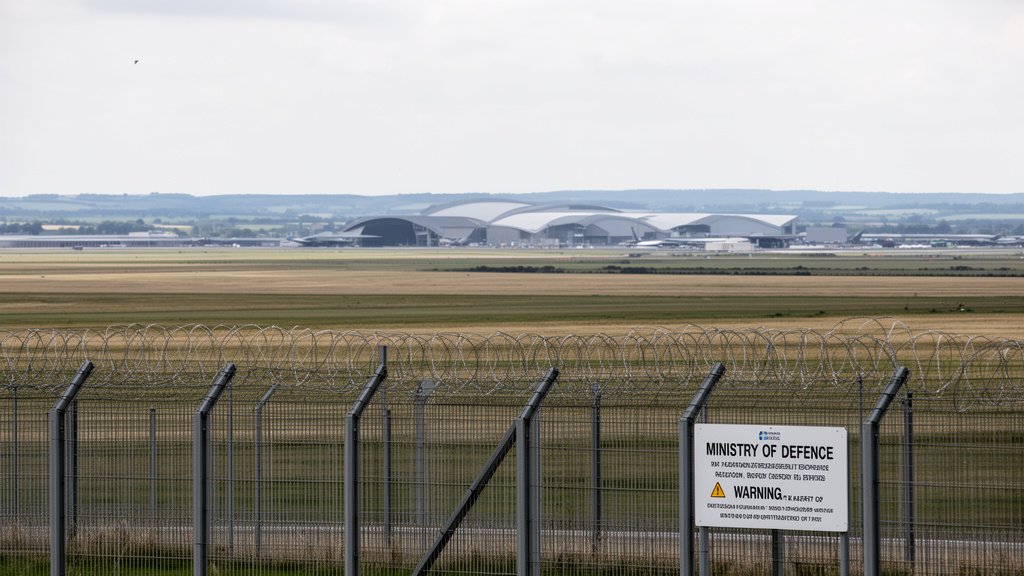
The optics of the situation have been damaging for House leadership. The inability to whip votes for a proposal that had the backing of the White House suggests that Speaker Mike Johnson faces a fragile coalition. When nearly 20 Republicans joined the vast majority of Democrats to sink the proposal, it signaled that the legislative agenda is currently hostage to a diverse group of members who are unified primarily by their desire for significant, structural reform to the surveillance apparatus, rather than the minor concessions offered in the proposed amendment.
Security Versus Liberty: The Core Debate
At the center of this legislative whirlwind is the reauthorization of Section 702, which permits the intelligence community to collect and analyze vast amounts of digital communication from foreign targets. While officials argue this is essential for counterterrorism, preventing cyber-espionage, and identifying national security threats, the program has been plagued by transparency issues.
Concerns are rooted in historical instances of abuse. Notably, the FBI has faced intense criticism for its handling of intelligence related to the January 6, 2021, Capitol attack and various civil rights protests in 2020. A 2024 court order highlighted that the agency had violated its own standards regarding “unmasking” or querying data on American citizens. The current standoff is an extension of this reality: the intelligence community is asking for trust, but a significant portion of the legislative body is demanding accountability. The failure to secure the 18-month extension requested by the White House underscores that “trust” is currently a rare commodity in the halls of Congress.
Future Implications and the April 30 Deadline
The 10-day extension provides a brief window for negotiation, but it does little to address the fundamental impasse. By April 30, 2026, leadership will face the same fundamental problem: how to construct a package that satisfies both the intelligence community’s demand for high-capacity surveillance and the libertarian-leaning members’ demand for robust, iron-clad civil liberties protections. If the House cannot find a middle ground, the program could face a lapse, potentially creating a gap in intelligence collection that proponents argue would be catastrophic for national security. However, for those concerned with government overreach, a temporary lapse might be an acceptable price for forcing a more fundamental restructuring of these powers. The coming days will test the durability of Speaker Johnson’s leadership and the capacity of the legislative branch to function under pressure.
FAQ: People Also Ask
1. What is Section 702 and why is it so controversial?
Section 702 of the Foreign Intelligence Surveillance Act allows U.S. intelligence agencies to target non-citizens located abroad. It is controversial because this collection often “incidentally” captures the communications of American citizens, leading to concerns about illegal surveillance and potential abuse of power by agencies like the FBI.
2. Why did the GOP’s 5-year extension plan fail?
It failed because it lacked consensus. Conservative holdouts demanded more radical oversight, while some Democrats viewed the protections as insufficient. The rapid introduction of the bill, combined with the lack of procedural transparency, caused enough members across the aisle to vote it down.
3. What happens if the surveillance powers expire on April 30?
If the powers expire, the U.S. government would lose its legal authority to conduct these specific intelligence operations under Section 702. Intelligence officials warn this would create a dangerous blind spot for national security, hindering the ability to track terrorist plots and cyber-attacks.
4. What was the role of the White House in these negotiations?
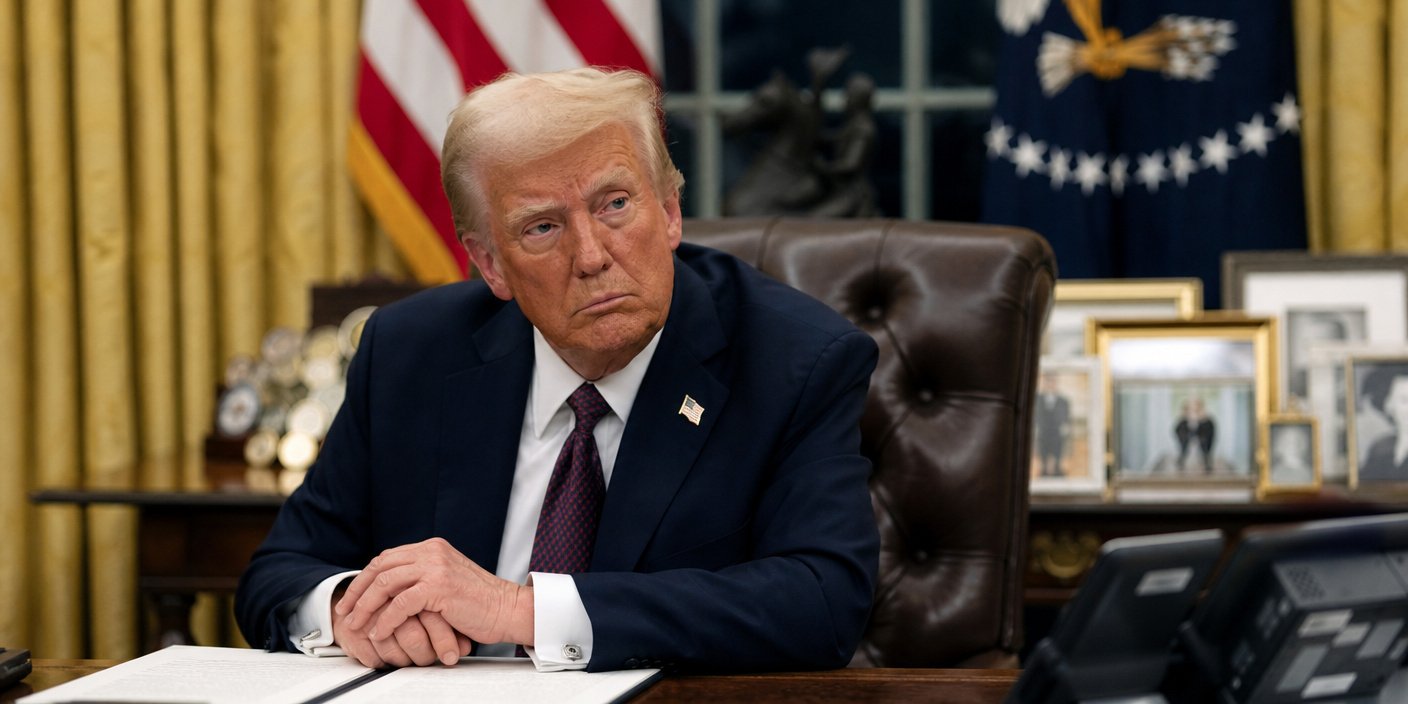
President Trump had publicly lobbied for a “clean” 18-month renewal of the program, seeking to avoid a long-term commitment that might require further adjustments. The failure of the House to pass this—or the subsequent 5-year compromise—represents a significant friction point between the White House and the House GOP.