Reports indicate a potential breakthrough in US-Iran relations, with both nations reportedly nearing an agreement that could de-escalate tensions and potentially secure maritime passage through the Strait of Hormuz. The development, if confirmed, could signal a significant shift in regional dynamics and ease fears of a wider conflict.
Key Highlights:
- Potential de-escalation of US-Iran tensions.
- Agreement could secure vital Strait of Hormuz passage.
- Development offers hope for regional stability.
- Details of the reported deal remain scarce.
Navigating the Straits: A Diplomatic Thaw?
The news, which emerged from unnamed sources close to the negotiations, suggests that high-level discussions between the United States and Iran may be yielding a significant outcome. The core of the reported agreement centers on ensuring the safe passage of vessels through the Strait of Hormuz, a critical chokepoint for global oil supplies and a frequent flashpoint for regional instability. While specific details of the proposed deal have not been officially confirmed, the mere prospect of such an agreement has sent ripples of cautious optimism through international diplomatic circles.
The Strait’s Strategic Importance


The Strait of Hormuz, a narrow waterway connecting the Persian Gulf to the open ocean, is of paramount strategic importance. Approximately 30% of the world’s seaborne oil trade passes through this vital artery. Any disruption or threat to its security can have immediate and far-reaching consequences for global energy markets, leading to price volatility and economic uncertainty. Past incidents and heightened rhetoric in the region have often revolved around the control and freedom of navigation within the Strait, making any agreement to ensure its openness a significant diplomatic achievement.
Shifting Geopolitical Tides
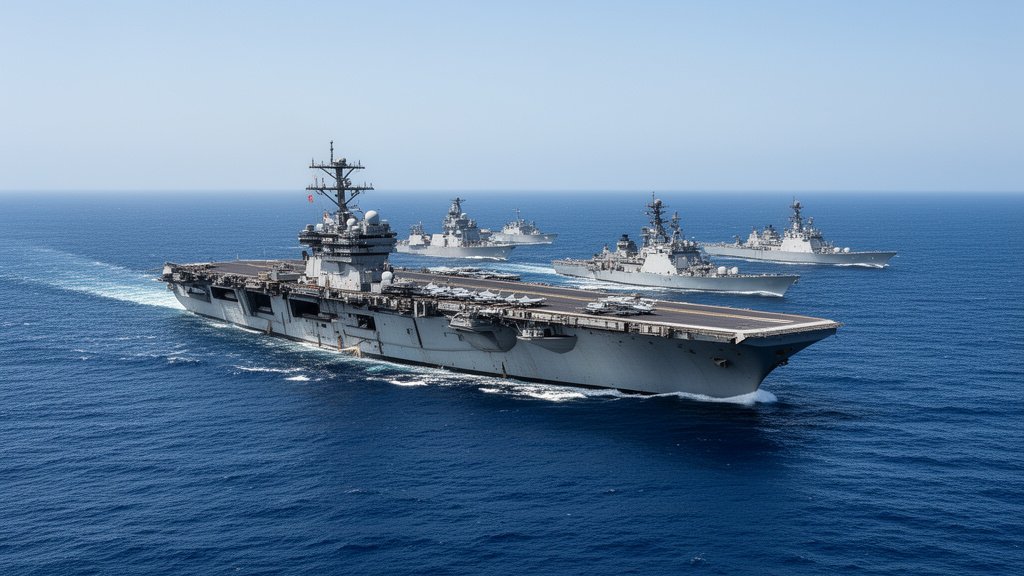
This reported breakthrough comes at a time of complex geopolitical maneuvering in the Middle East. The United States has maintained a strong military presence in the region, largely aimed at deterring Iranian aggression and ensuring freedom of navigation. Iran, in turn, has frequently asserted its influence and control over the Strait, often through naval exercises and rhetoric. A deal, even a limited one, could signal a willingness from both sides to step back from the brink and explore avenues for de-escalation. This could also have implications for other regional players, potentially influencing their own diplomatic strategies and security considerations.
Economic Ramifications
The potential stabilization of the Strait of Hormuz could have a positive impact on global energy prices and economic stability. Reduced geopolitical risk in the Persian Gulf often translates to lower oil prices and increased investor confidence. This could provide a much-needed boost to economies worldwide, particularly those heavily reliant on oil imports. The implications extend beyond just energy, potentially easing supply chain pressures and fostering greater trade activity in the region.
FAQ: People Also Ask
What is the Strait of Hormuz?
The Strait of Hormuz is a narrow strait at the mouth of the Persian Gulf, connecting it to the Gulf of Oman and the open sea. It is one of the world’s most important oil transit points.
Why is the Strait of Hormuz so important?
It is strategically vital because a significant portion of global oil supply passes through it. Its closure or disruption would have severe global economic consequences.
What are the main concerns regarding the Strait of Hormuz?
The primary concerns involve potential military conflicts, terrorism, and disruptions to oil shipping, which can lead to global economic instability.
Has there been a deal between the US and Iran before regarding the Strait?
While there haven’t been explicit public deals solely focused on the Strait, periods of de-escalation and diplomatic engagement have occurred. This reported agreement would be significant if it formalizes assurances for passage.
What are the implications of this potential deal?
If confirmed, the deal could significantly reduce regional tensions, ensure stable oil flows, and foster a more predictable geopolitical environment in the Middle East.