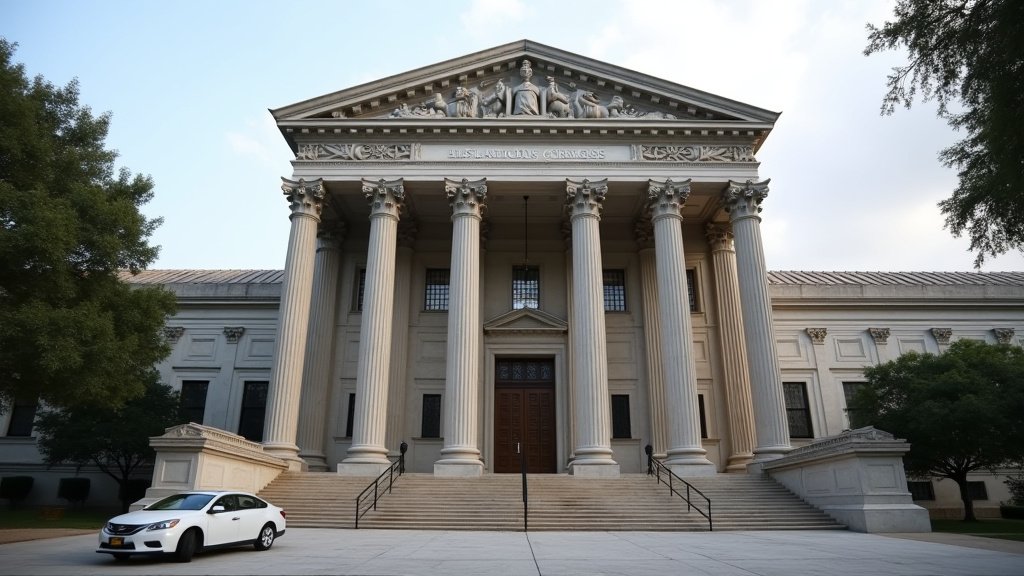
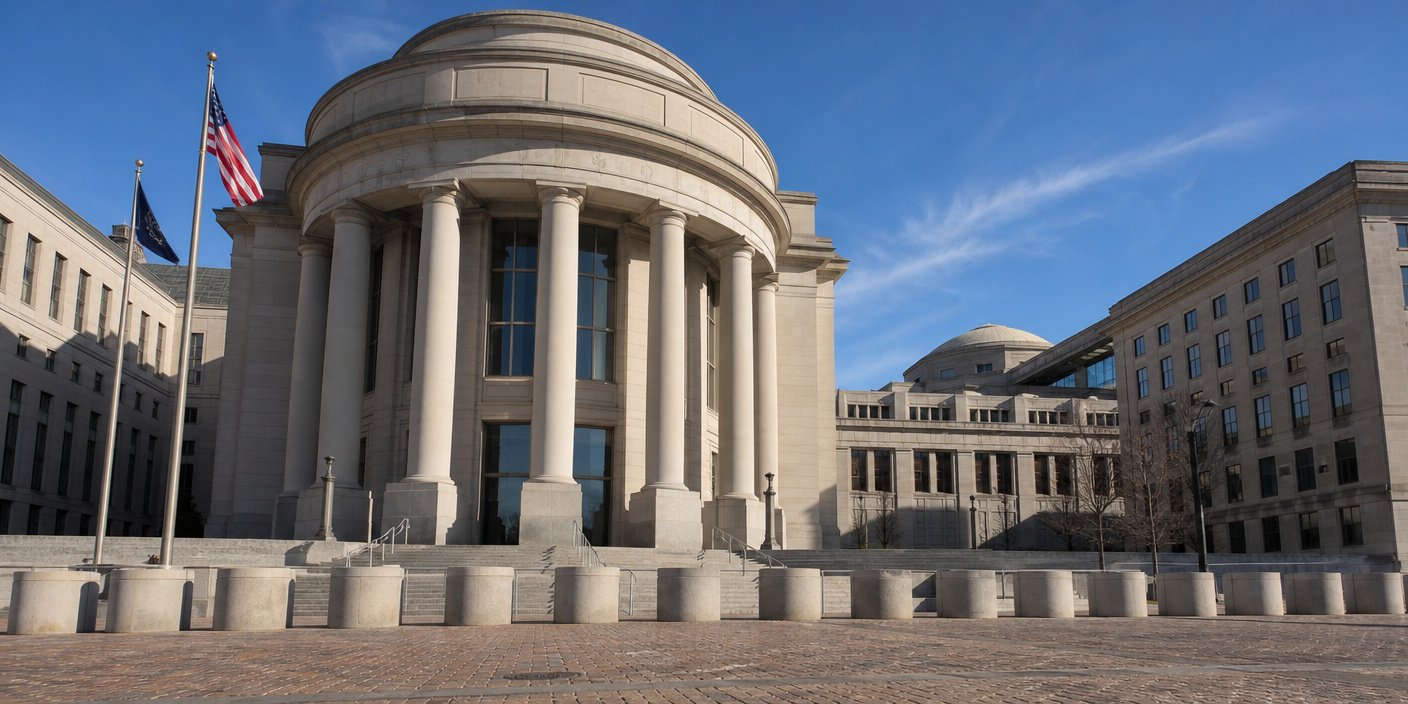
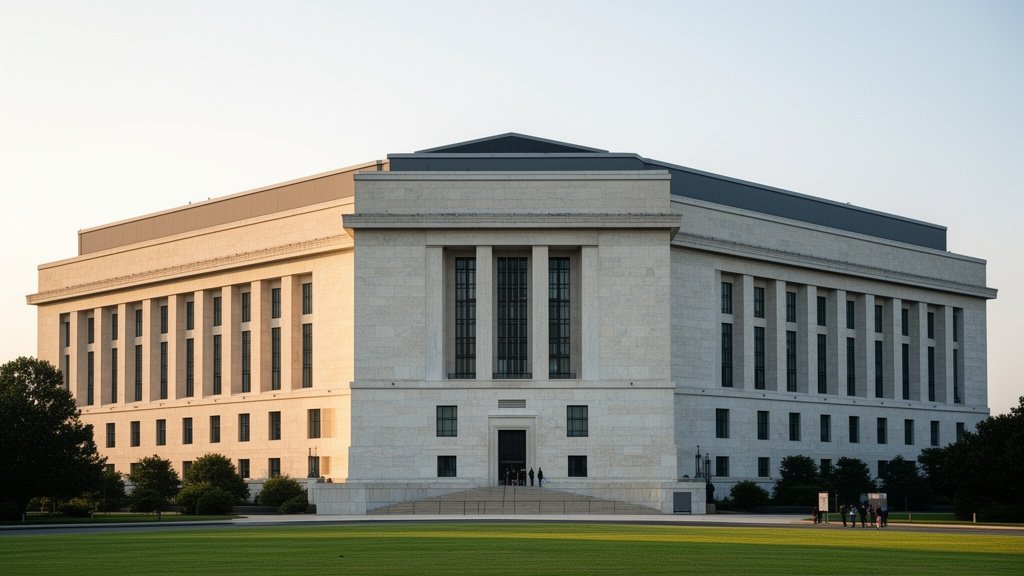
In a milestone announcement that marks a turning point for the Harris County judicial system, District Attorney Sean Teare has declared that the county’s persistent criminal case backlog—a crisis that festered for nearly a decade—has been officially eliminated. The backlog, which ballooned following the catastrophic flooding from Hurricane Harvey in 2017 and was further exacerbated by the operational paralysis of the COVID-19 pandemic, had previously pushed the Houston-area court system to the brink of collapse. As of April 2026, the average number of felony cases pending per court has plummeted to 728, a significant reduction from the staggering 2,384 cases recorded at the height of the crisis in 2021. For the residents of Harris County, this news represents more than just a statistical victory; it signals the restoration of a timely, functioning justice system for victims, defendants, and the community at large.
The Anatomy of a Judicial Crisis
To understand the significance of this clearance, one must look back at the compounding disasters that crippled Harris County’s court infrastructure. In August 2017, Hurricane Harvey inundated downtown Houston, causing severe damage to the criminal courthouse and displacing court proceedings into makeshift and fragmented locations. This physical displacement hampered the swift processing of cases, creating an immediate bottleneck.
As the system began to struggle with this physical setback, the COVID-19 pandemic struck in 2020, bringing in-person trials to a grinding halt for extended periods. The resulting hiatus created a “dam effect,” where the intake of new cases continued unabated while the disposal of old cases slowed to a trickle. By 2021, the system was overwhelmed. Prosecutors, judges, and defense attorneys found themselves managing a caseload that had swelled to unsustainable proportions, leading to a dangerous cycle: delayed trials meant that defendants remained in custody for months—or years—longer than necessary, while victims’ families languished in uncertainty, denied the closure of a courtroom verdict.
Strategic Shifts and Administrative Overhaul
The strategy employed by District Attorney Sean Teare, who assumed office in early 2025, focused on a multi-pronged approach to clear the backlog. The primary driver of this resolution was not merely a push for volume, but a strategic re-evaluation of how cases were handled from the moment of intake. Teare’s office implemented a more rigorous intake process, ensuring that cases were screened more effectively for evidence and viability before moving forward. This “quality over quantity” approach allowed prosecutors to focus resources on cases that were ready for trial, rather than letting weak or unsupported cases languish in the system.
Furthermore, the county benefited from increased collaboration with the judiciary and a necessary infusion of resources. The Harris County Commissioners Court provided critical supplemental funding—approximately $7.5 million—which was directly utilized to hire more prosecutors, support staff, and victim assistance coordinators. The expansion of court capacity, including the opening of new state district courts in 2024, was essential in providing the bandwidth required to manage the influx of trials. By pushing more cases to a final disposition—whether through trial, plea, or dismissal based on insufficient evidence—the system effectively drained the reservoir of pending cases that had accumulated over the previous seven years.
The Collateral Benefits: Jail Population and Public Trust

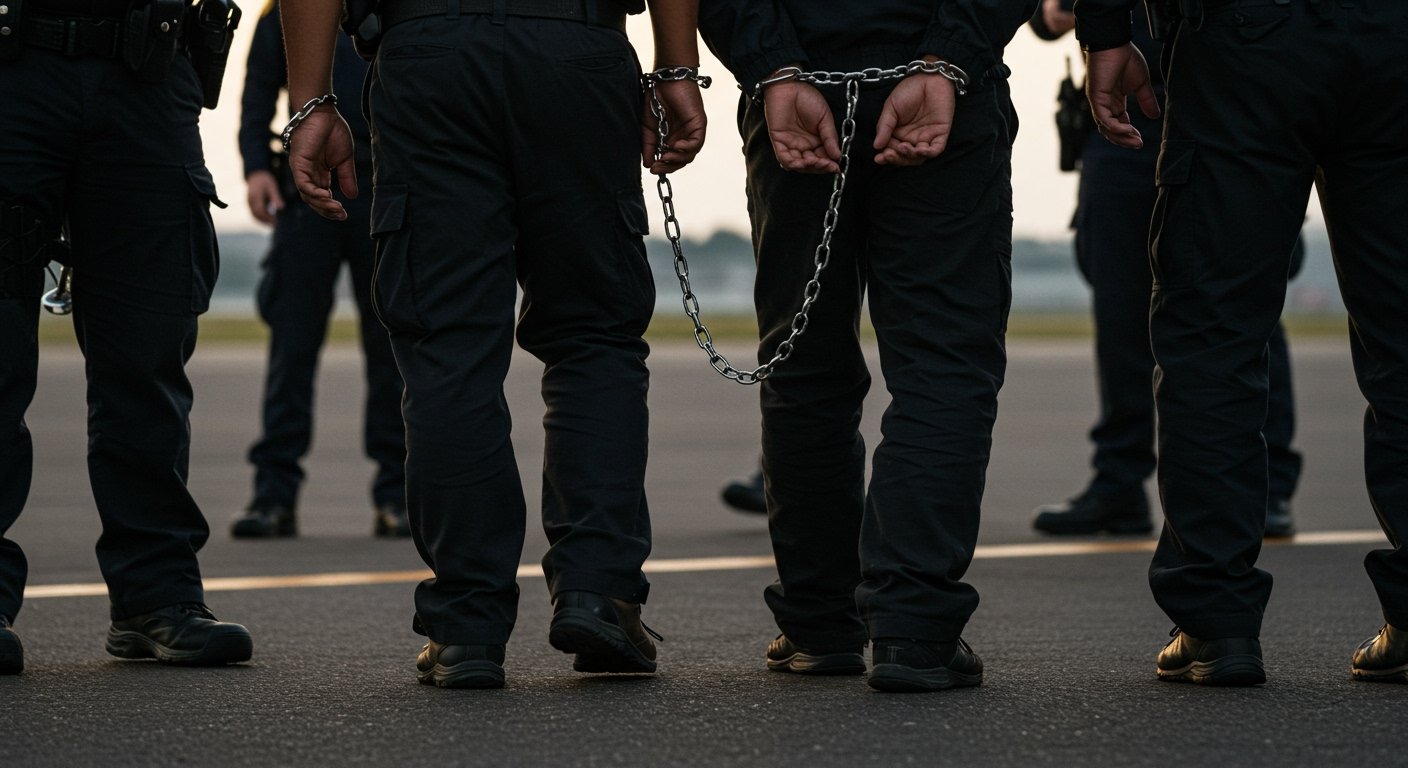
One of the most consequential outcomes of clearing the backlog is the direct impact on the Harris County Jail. For years, the facility was plagued by overcrowding, partly fueled by the fact that defendants were stuck in pretrial detention, waiting for their cases to be scheduled. As the backlog began to shrink, the daily jail population saw a notable decline, dropping by approximately 12 percent year-over-year by early 2026. This reduction not only alleviates the immense fiscal burden on taxpayers who fund the incarceration of thousands of individuals, but it also improves the humanitarian conditions within the jail, which had frequently been criticized for its inability to safely manage its population during the peak of the backlog years.
Beyond the logistics of jail space, the clearance offers a psychological and social remedy. A judicial system that moves slowly is often perceived as a system that provides no justice at all. For victims of violent crime, the waiting game was often a secondary trauma. Families of survivors reported waiting years just to see a suspect enter a plea, a delay that often rendered the eventual trial feel disconnected from the crime itself. By achieving a more “current” caseload, the DA’s office aims to restore the public’s confidence in the ability of local government to hold offenders accountable in a timeframe that respects the needs of the victims.
Challenges on the Horizon: Maintaining the Momentum
While the elimination of the backlog is a significant achievement, officials warn that the work is far from over. A “cleared” backlog does not mean the system is idle; it means the system is finally operating at a manageable tempo. The challenge now lies in sustainability. Harris County is a growing metropolitan area, and the influx of new criminal filings is constant. Maintaining this efficiency will require continued investment in prosecutorial staffing and judicial infrastructure.
Critics also point out that while the numbers look good, the legal system must remain vigilant against the risks of rushed justice. Ensuring that the speed of the system does not compromise the constitutional rights of the accused remains a priority. The delicate balance between efficiency and equity is one that DA Teare and the judiciary will have to navigate carefully in the coming years. For now, however, the consensus among legal observers in Texas is that Harris County has managed to navigate one of the most difficult chapters in its modern judicial history, providing a blueprint for other urban centers grappling with similar post-disaster judicial crises.
FAQ: People Also Ask
1. How exactly did Harris County clear the backlog after years of failure?
The clearance was achieved through a combination of increased funding from the Commissioner’s Court, the opening of additional district courts, and a strategic overhaul of the case intake process. By hiring more prosecutors and focusing on “intake quality,” the DA’s office ensured that cases moving through the system had sufficient evidence, allowing for faster resolutions.
2. Does “cleared backlog” mean there are no pending criminal cases?
No. A “cleared” backlog does not mean zero cases; it means the county has returned to, or dropped below, pre-2017 (pre-Harvey) levels of pending cases per court. There are still thousands of active cases, but the system is no longer operating at the crisis-level congestion that characterized 2021–2024.
3. Will this result in fewer people being charged with crimes?
Not necessarily. The focus was on processing efficiency. However, the intake process now requires more rigorous evidence checks, which means fewer cases proceed to court if they lack the evidentiary support to result in a conviction, effectively filtering out weak cases earlier in the process.
4. What is the impact on the Harris County Jail?
The impact has been significant. Because cases are being resolved faster, fewer people are held in pretrial detention indefinitely. This has led to a 12 percent decrease in the daily jail population compared to the previous year, reducing both overcrowding and the financial strain on the county.
5. Is the crisis officially over for good?
While the emergency status of the backlog is over, county officials acknowledge that maintaining this efficiency requires ongoing budget support and staffing. The system remains under pressure, but it is no longer in a state of emergency backlog.