April 22 marked a day of significant global developments, encompassing spiritual transitions at the heart of the Catholic Church, political challenges within the United States administration, and key diplomatic engagements abroad. From the solemn proceedings underway at the Vatican following the passing of Pope Francis to defensive postures taken by the White House and high-level diplomatic travel by Vice President JD Vance, events unfolded that captured international attention.
Vatican Consultations Underway After Pope Francis’s Passing
In the wake of the death of Pope Francis, cardinals from around the world convened at the Vatican on April 22. These solemn and pivotal gatherings are part of the established tradition and canon law governing the period following the death of a Pope, known as the sede vacante or “empty seat.” The College of Cardinals is tasked with overseeing the administration of the Holy See during this time, preparing for the funeral rites of the deceased pontiff, and, crucially, making decisions that will pave the way for the eventual conclave to elect a new Pope.
The cardinals’ deliberations are wide-ranging, covering necessary administrative actions, discussions on the state of the Church, and reflections on the qualities needed in the next leader of the world’s 1.3 billion Catholics. While the date for the conclave is not immediately set, the initial meetings of the cardinals are foundational to that process.
Simultaneously, Catholics around the world gathered to mourn the loss of Pope Francis. From grand cathedrals in major cities to small parish churches in remote villages, vigils, special masses, and prayer services were held. The global outpouring of grief underscored the profound impact Pope Francis had on the faithful and beyond during his pontificate. His death has initiated a period of spiritual reflection and anticipation within the Catholic community worldwide as they await the election of his successor.
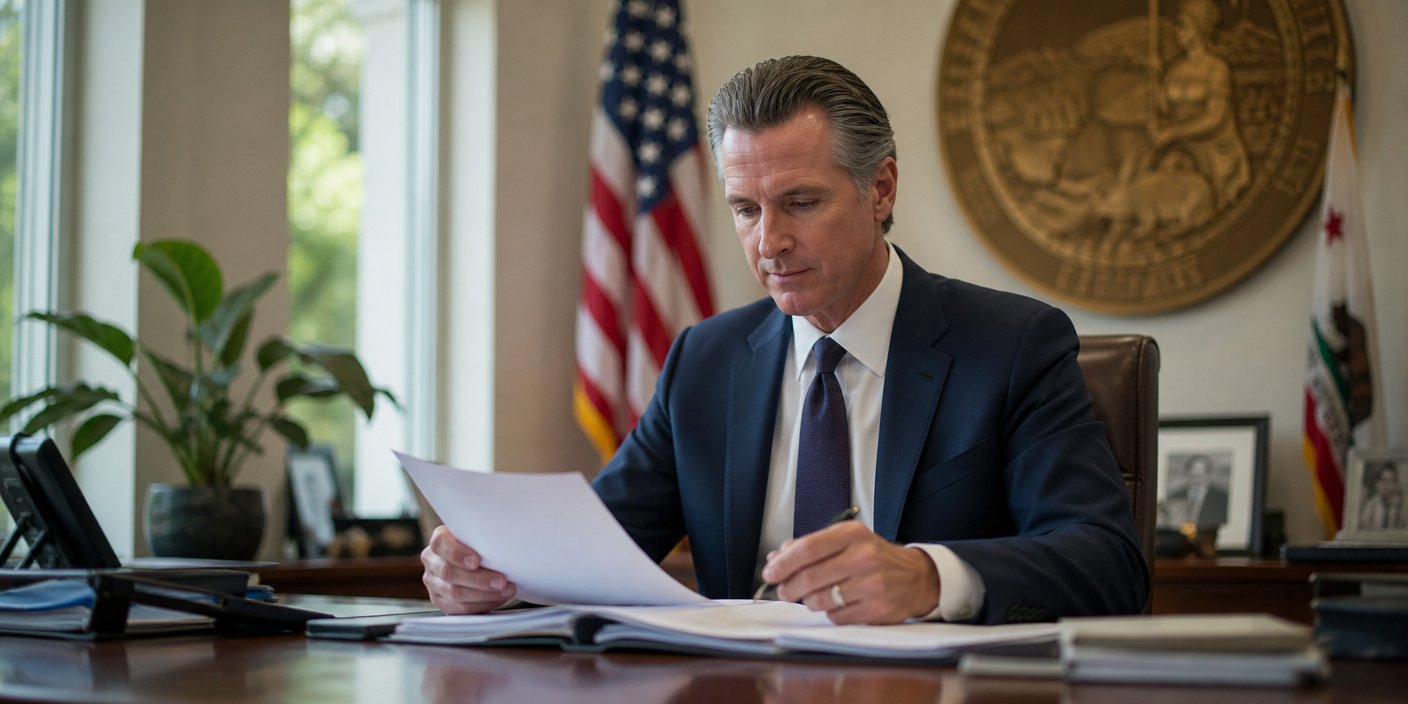
White House Defends Defense Secretary Hegseth Amid Signal Controversy
Separately, in Washington D.C., the White House found itself defending Defense Secretary Hegseth following the emergence of a new controversy involving communications conducted via the secure messaging application, Signal. Details surrounding the specifics of the Signal chat controversy remained under scrutiny, but the White House issued statements backing the Secretary.
The use of encrypted and non-official communication channels by government officials, particularly those in high-level national security roles like the Defense Secretary, has been a recurring subject of debate regarding transparency, record-keeping, and potential security vulnerabilities. While Signal is designed to be secure and private, controversies can arise concerning the content discussed, the scope of its use for official business, and whether communications meet federal archiving requirements.
The White House’s defense of Secretary Hegseth signifies the administration’s support for its cabinet member despite the scrutiny brought on by the controversy. Such defenses are often aimed at stabilizing confidence in the official’s position and managing the political fallout from the situation. The precise nature of the controversy and the full implications of the White House’s defense will likely be subjects of continued political and potentially investigative focus.
Vice President JD Vance Undertakes Visit to India
Further highlighting the day’s diverse international agenda, Vice President JD Vance undertook a visit to India. This high-level diplomatic travel underscores the growing strategic importance of the relationship between the United States and India. India is a key partner for the U.S. in the Indo-Pacific region and plays a significant role in global economics and geopolitics.
A visit by the U.S. Vice President typically involves meetings with senior Indian government officials, including the Prime Minister and other cabinet ministers. Discussions during such trips often cover a wide array of bilateral issues, including strengthening economic ties, expanding defense and security cooperation, collaborating on technology and innovation, addressing regional security challenges, and coordinating positions on multilateral forums and global issues such as climate change and public health.
While specific outcomes or detailed agenda items from Vice President Vance’s visit on April 22 were not immediately detailed, the fact of the visit itself signals the commitment of the Biden administration to deepening the comprehensive global strategic partnership with India. Such exchanges are crucial for maintaining open lines of communication, advancing shared interests, and navigating complex global dynamics.
The convergence of these distinct events – the solemn transition within the Catholic Church, a notable political challenge faced by a key U.S. cabinet member, and important diplomatic engagement in Asia – painted a picture of a dynamic and multifaceted global landscape on April 22, each development carrying its own significant implications.