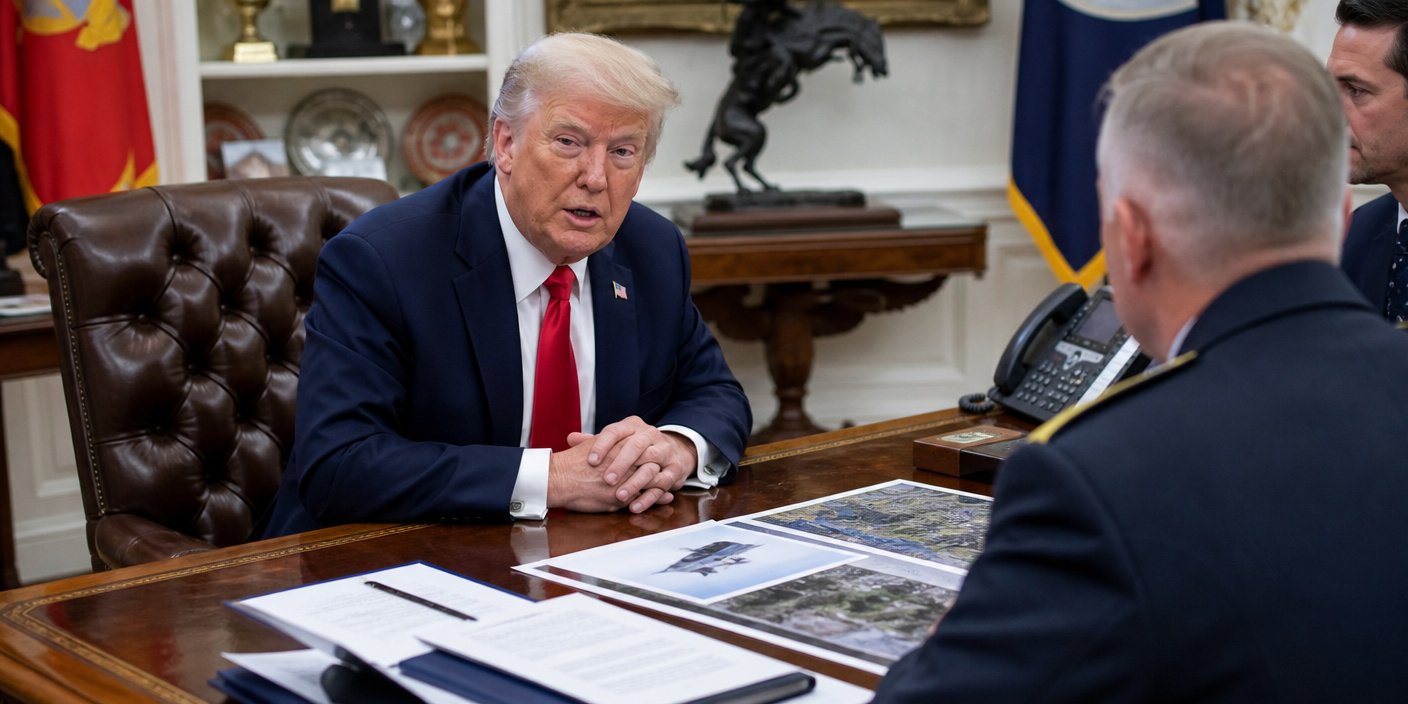
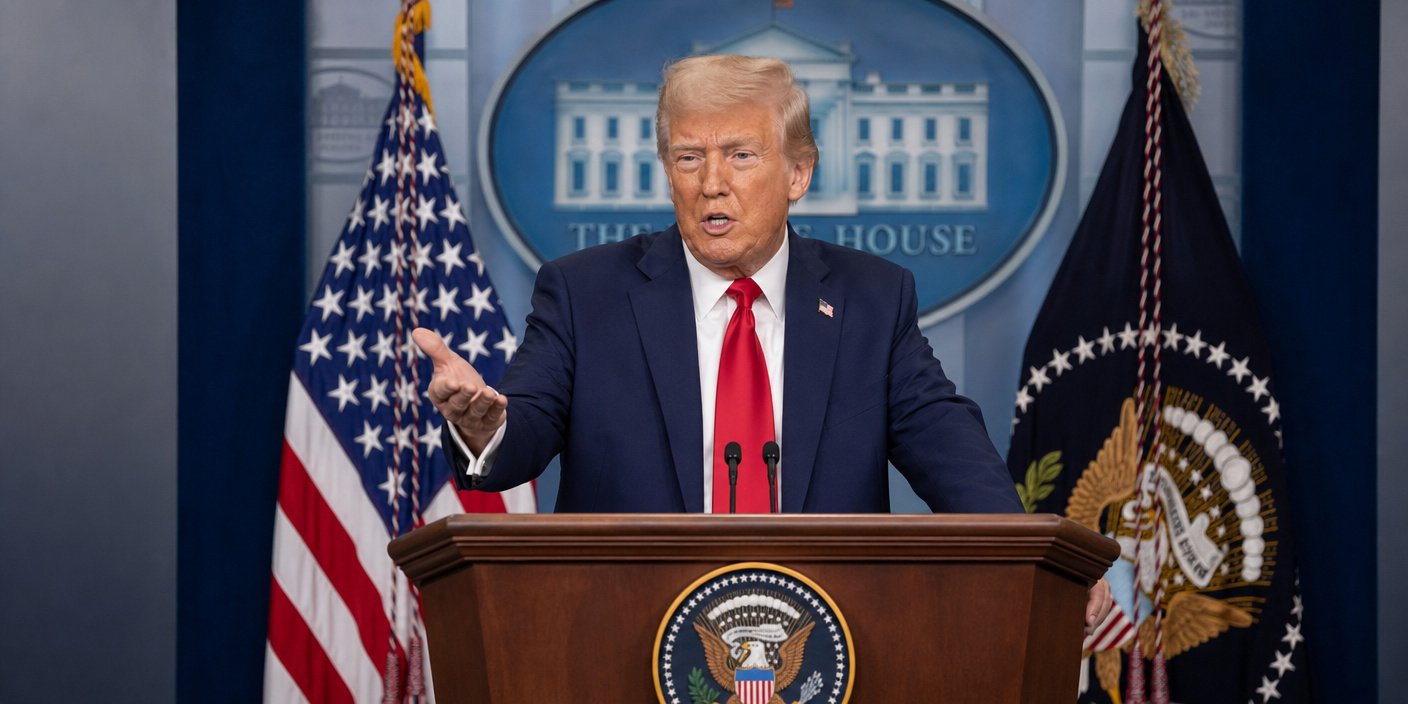
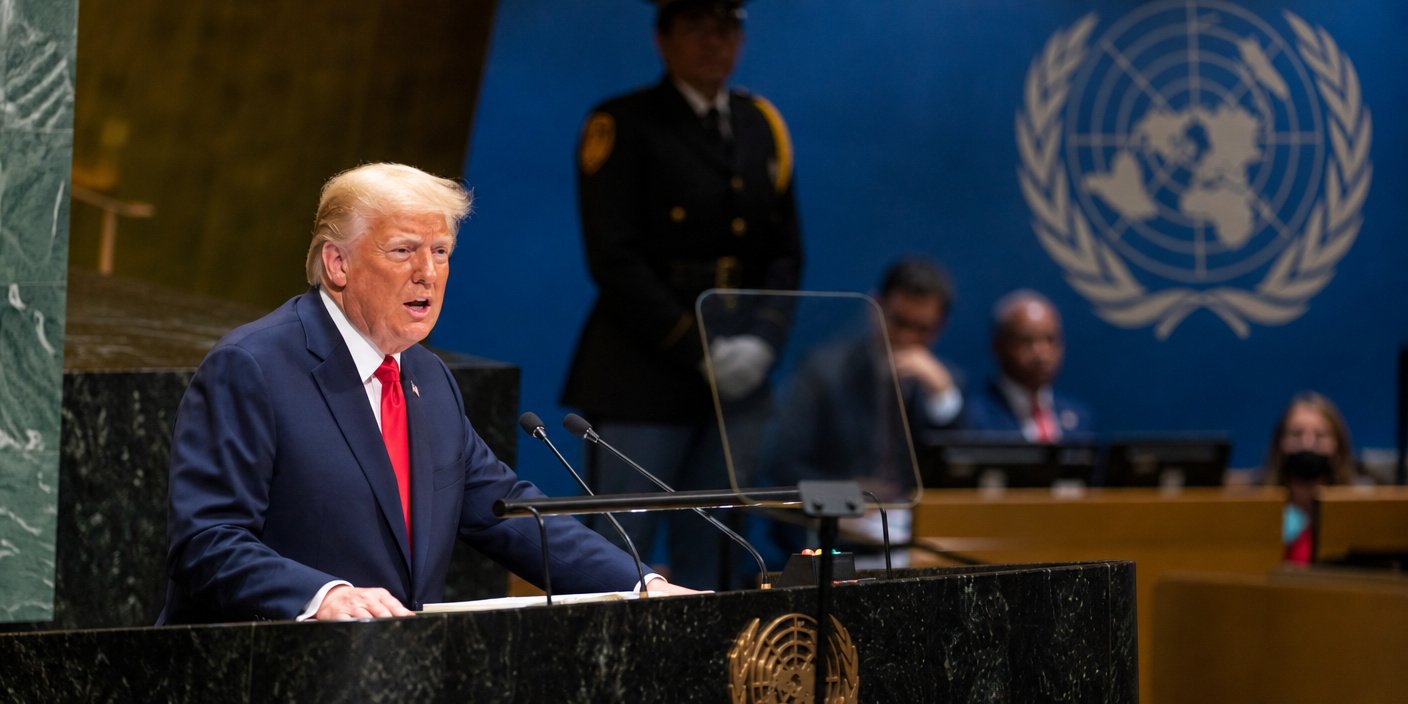
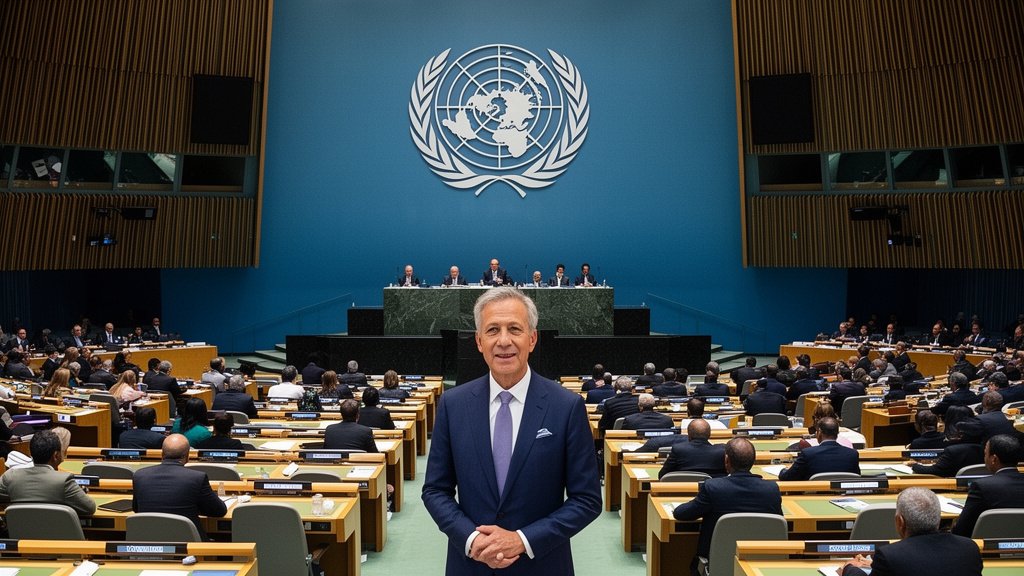
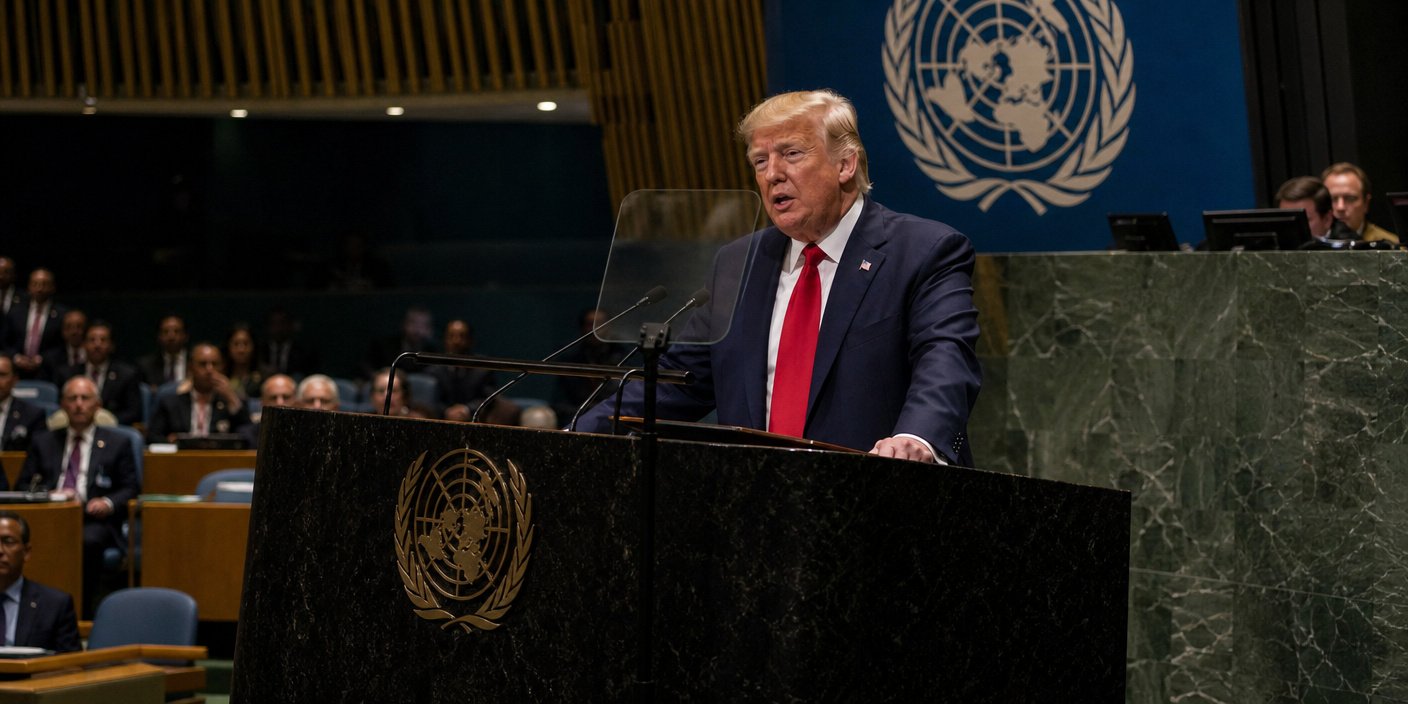
In a vivid display of the friction defining his presidency, Donald Trump directly confronted CNN correspondent Kaitlan Collins at the United Nations General Assembly in New York. The incident occurred during a wide-ranging press conference, during which the then-President interrupted his own commentary to challenge Collins, demanding to know why she was present to cover his activities given his administration’s active restrictions on her network’s access. This confrontation was not merely an isolated outburst but served as a focal point for the broader, ongoing standoff between the White House and major legacy media organizations throughout the 2016–2020 term.
The UN Confrontation: A Calculated Disruption
On the sidelines of the UN General Assembly, the atmosphere was thick with diplomatic tension, yet the focus briefly shifted from global policy to domestic media relations. When Kaitlan Collins, then a rising star in the CNN Washington bureau, attempted to pose a question, she was met with a pointed inquiry regarding her employment. President Trump, visibly agitated by the presence of a network he frequently categorized as “fake news,” questioned the legitimacy of CNN’s presence. He sought to highlight what he perceived as a contradiction: the administration’s efforts to limit access for specific reporters and networks, contrasted against the routine operational necessity of the press corps to cover the activities of the Executive Branch.
This interaction underscored the weaponization of access as a diplomatic and domestic political tool. By addressing the reporter directly, the President aimed to bypass the standard Q&A protocols of a formal press conference, instead forcing a confrontation that would play directly to his core base. For Collins, the moment required a disciplined adherence to professional standards, ensuring that the function of the press—to act as an independent observer—remained the priority, even under intense, ad hominem scrutiny.
The White House-Media Standoff: A Historical Context

To understand the gravity of the UN incident, one must examine the institutional deterioration between the West Wing and the press corps. Throughout the administration, press briefings—once daily, structured opportunities for transparency—were drastically curtailed. The administration frequently utilized social media to bypass traditional media filters, making the periodic press briefings increasingly hostile environments.
This strategy included the strategic revocation of press credentials. Most notably, the high-profile legal battle surrounding CNN’s Jim Acosta, who had his “hard pass” suspended following a contentious exchange, mirrored the sentiments Trump displayed toward Collins at the UN. The legal standoff between CNN and the Trump administration became a touchstone for First Amendment advocates, who argued that the selective barring of journalists based on ideological bias or unfavorable coverage constituted an unconstitutional restriction on the freedom of the press.
Media Freedom vs. Executive Access
The tension displayed at the United Nations is a diagnostic tool for understanding the evolving landscape of 21st-century journalism. The central conflict revolves around the “access model” of news gathering. When the White House restricts access to specific journalists, it creates a feedback loop that challenges the constitutional mandate of the press to hold power to account. Critics argued that by demanding to know why outlets were covering him, the President was implicitly arguing that media access is a privilege granted by the administration, rather than a right protected by the First Amendment.
This viewpoint fundamentally clashed with the operational philosophy of major news organizations. For outlets like CNN, the duty to report on the President of the United States exists independent of the administration’s approval. The standoff was not just about credentials; it was about the fundamental legitimacy of the “Fourth Estate” in an era of hyper-partisan media, where the goal of the administration was to delegitimize the institutional press entirely.
The Future of Press-State Relations
The impact of this era on political journalism cannot be overstated. It accelerated a trend where politicians increasingly rely on sympathetic media silos, effectively ignoring non-aligned reporters. However, this development creates a dangerous void in accountability. As seen in the UN incident, when a leader attempts to shame or intimidate journalists, it does not stop the flow of information; rather, it often cements the importance of independent reportage. The confrontation between Trump and Collins serves as a historical marker, defining the parameters of executive-media relations for the next generation of journalists who will operate in an increasingly polarized, fragmented information ecosystem.
FAQ: People Also Ask
Why was the Trump administration restricting media access?
The administration frequently cited “fake news” and bias as reasons for limiting or revoking press access. Critics and legal scholars, however, argued that these actions were politically motivated retaliation against outlets that produced unfavorable, though factually accurate, coverage of the President’s policies and personal conduct.
What happened to the legal challenges regarding press credentials?
The lawsuits initiated by media organizations—most notably by CNN regarding Jim Acosta—generally resulted in courts ruling that the White House must provide a degree of “due process” before revoking press credentials. This set a precedent that access cannot be stripped arbitrarily or due to ideological disagreement alone.
Did the confrontation at the UN change CNN’s coverage strategy?
No. Despite the public shaming and attempts to delegitimize the network, CNN continued to station correspondents at the White House and at official events. The network maintained its policy of persistent questioning, viewing the confrontation as evidence of the administration’s disdain for accountability, which only reinforced their editorial commitment to rigorous coverage.