WASHINGTON D.C. – The brazen assassination of conservative activist Charlie Kirk on Wednesday has sent a chilling ripple through the heart of American political discourse, prompting a new cycle of fear and heightened security concerns among members of Congress. The fatal shooting, which occurred during a public debate at Utah Valley University, has intensified national anxieties surrounding political violence and exposed deep societal fault lines.
The Assassination and Swift Arrest


Charlie Kirk, 31, a prominent figure known for his co-founding of Turning Point USA and his strong alignment with conservative movements, was shot and killed by a sniper while engaging in his signature “Prove Me Wrong” debate. The event, attended by thousands as part of “The American Comeback Tour,” took a tragic turn when a single shot, believed to be fired from a nearby building’s roof, struck Kirk. Authorities quickly launched a manhunt, identifying 22-year-old Tyler Robinson as the suspect. Robinson was apprehended in Utah on Friday, reportedly after confessing to a family member who subsequently alerted law enforcement. Investigators discovered a rifle near the scene with ammunition inscribed with anti-fascist messages, suggesting a politically motivated act. Utah Governor Spencer Cox described the incident as a “political assassination”.
Congress Under a Shadow of Fear
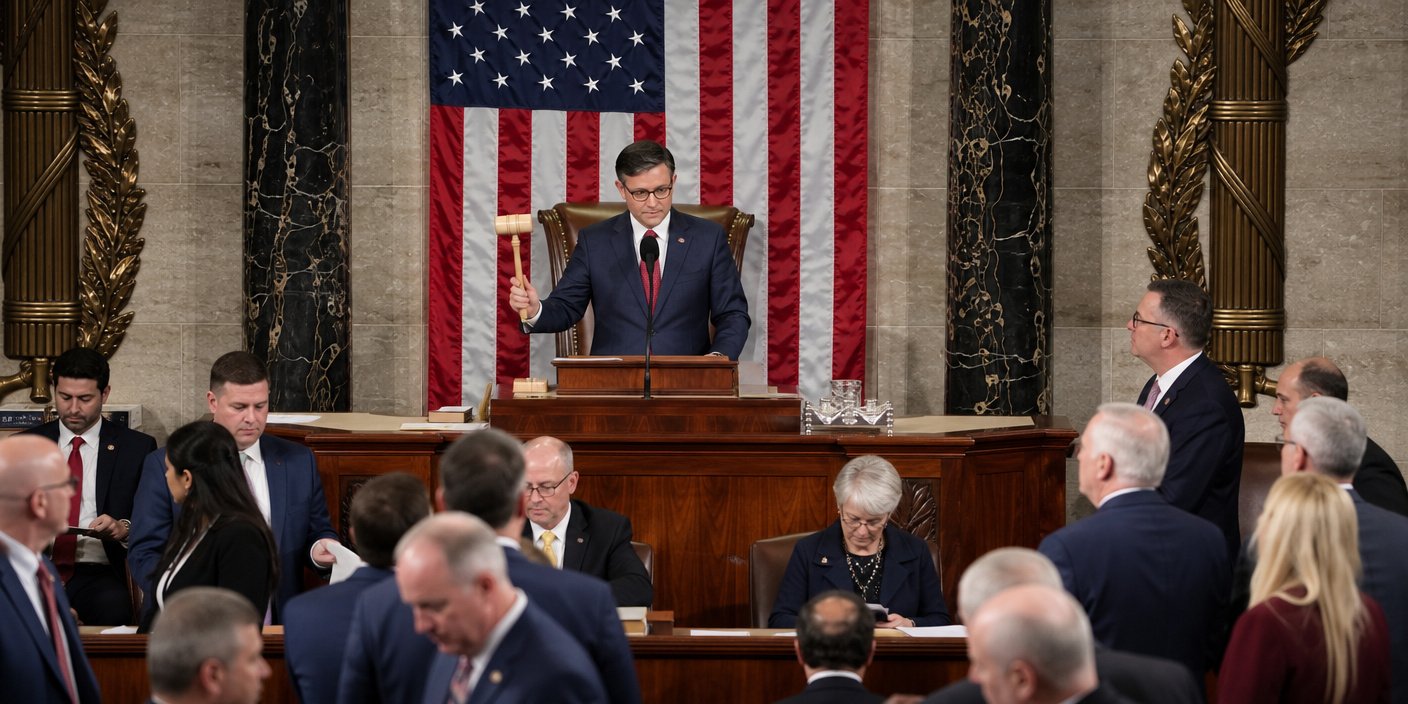
The assassination has reverberated through Capitol Hill, leading to the cancellation and postponement of events by members of Congress, who are increasingly concerned about their personal safety. Lawmakers, accustomed to operating in a heightened threat environment following events like the January 6th Capitol riot and past assassination attempts, now find themselves in a palpable atmosphere of unease. Capitol Police have reported a significant increase in threat cases against lawmakers, and the fear of further politically motivated violence is casting a long shadow over legislative activities. Some members are even vowing to carry firearms at all times, signaling a significant shift in how public service is perceived and conducted. This fear has prompted discussions about potentially reshaping the relationship between elected officials and the public they serve, with a focus on enhanced security measures.
Amplifying National Anxieties and Societal Divisions
The killing of Charlie Kirk is the latest in a disturbing trend of politically charged violence that has plagued the United States in recent years. Incidents targeting both Democrats and Republicans, from assassination attempts on former President Donald Trump to the attack on Paul Pelosi and the murder of a Minnesota state lawmaker, have collectively fueled a climate of apprehension. This tragedy has reignited urgent debates about the role of rhetoric in public discourse and the increasing normalization of political extremism. Many observers note that while political violence has historical roots in American society, the current era is marked by its mainstreaming and the amplification of divisive ideologies through digital platforms and sometimes heated political commentary. The event has underscored the profound societal divisions that persist across the nation, prompting calls from leaders across the political spectrum for introspection and a commitment to more peaceful dialogue.
The Path Forward: Calls for Dialogue and Action
In the wake of Kirk’s assassination, bipartisan condemnations of political violence have been widespread, with many lawmakers emphasizing the need to reject such acts in all forms. However, the path to de-escalating tensions remains complex. Discussions are ongoing regarding potential legislative actions, including renewed calls for gun control measures, as well as broader societal efforts to bridge cultural and political divides. The event serves as a stark reminder of the fragility of democratic norms and the critical importance of fostering a culture of respect and non-violence in American society. As the nation grapples with this latest tragedy, the focus remains on how to prevent such incidents from becoming an accepted part of its political culture and how to ensure the safety and security of those serving in public office and the American populace at large. This news underscores the urgent need for leaders to address the underlying issues that contribute to political polarization and violence, aiming to foster a more unified and secure national society.
The investigation into the motive and any potential accomplices in Tyler Robinson’s actions is ongoing, as authorities work to understand the full implications of this tragic event on the future of political engagement in the United States.