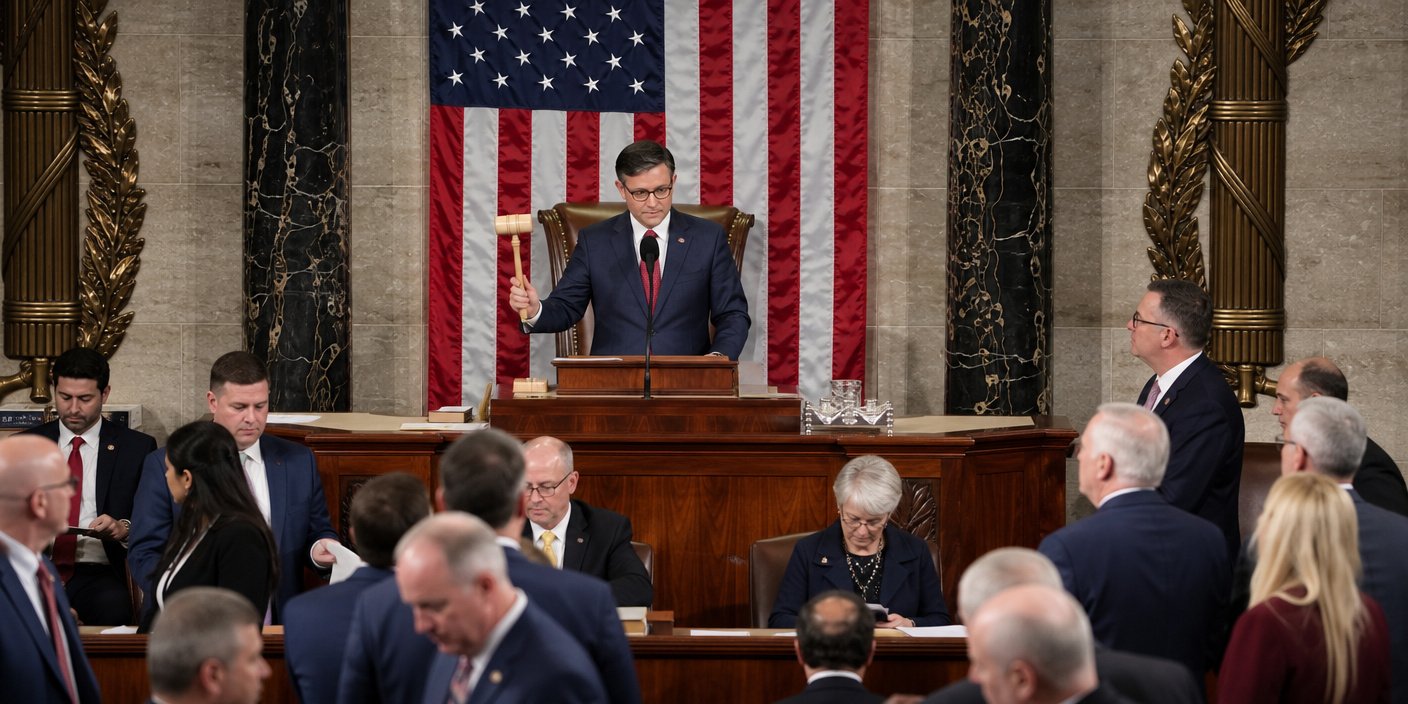
The U.S. House of Representatives successfully passed a bipartisan bill enacting strict financial sanctions against Russia and Iran, but the legislative victory was abruptly overshadowed by Speaker Mike Johnson’s decisive move to suspend voting sessions. The maneuver, designed to bring the legislative calendar to a sudden halt, effectively neutralized a mounting effort by conservative hardliners to force a floor vote on the impeachment of Defense Secretary Pete Hegseth. This high-stakes procedural pivot highlights the growing friction within the GOP caucus, where the Speaker must balance the demands of his most vocal members against the necessity of maintaining legislative order and avoiding political landmines.
Key Highlights
- Bipartisan Sanctions: The House passed a major sanctions bill targeting financial institutions and key sectors within Russia and Iran, aiming to curb funding for ongoing military operations and proxy activities.
- Procedural Freeze: Speaker Mike Johnson canceled the remainder of the week’s voting session, a strategic move intended to prevent a planned motion to impeach Defense Secretary Pete Hegseth.
- GOP Internal Friction: The situation underscores the deep divisions within the Republican Party, as hardline members push for aggressive oversight actions that leadership seeks to avoid ahead of critical policy objectives.
- Strategic Timing: By closing the session, Johnson successfully cleared the legislative decks, prioritizing the avoidance of an internal party skirmish over the continuation of routine floor activity.
Navigating the Legislative Logjam: Sanctions and Strategies
The passage of the financial sanctions against Russia and Iran represents a rare moment of broad consensus in the current session. Lawmakers on both sides of the aisle argued that increasing economic pressure is a necessary response to the evolving geopolitical landscape, particularly concerning the interconnected military-industrial complexes of Moscow and Tehran. The bill, which passed with significant majorities, targets specific financial vehicles used to circumvent existing trade restrictions. By tightening the net on these sectors, the U.S. aims to further isolate the economies of these nations, complicating their ability to finance state-sponsored operations and military expansion.
However, the optics of the day were dominated by the procedural mechanics occurring behind the scenes. As the sanctions bill cleared the floor, the atmosphere shifted rapidly. Recognizing that a subset of Republican representatives—determined to hold Defense Secretary Pete Hegseth accountable for specific policy decisions and alleged administrative overreach—was gaining traction to bring an impeachment resolution to the floor, Speaker Johnson intervened. In an effort to maintain control over the chamber’s agenda, Johnson made the executive decision to adjourn the remainder of the session. This “cooling off” period serves a dual purpose: it prevents a chaotic and potentially damaging public debate on the impeachment resolution and allows leadership time to address caucus grievances in private, rather than under the glare of the House floor.
The Hegseth Factor and the GOP Caucus Divide




The attempt to impeach Defense Secretary Pete Hegseth is not merely a fringe maneuver; it acts as a litmus test for the influence of the House’s more populist, anti-establishment wing. For these members, the impeachment process is a necessary tool of accountability, regardless of whether it has a realistic path to success in the Senate. They argue that the current administration’s defense policies are not just misguided, but represent a fundamental failure of duty that requires the constitutional remedy of impeachment.
Conversely, the Speaker’s office views such a motion as a distraction that threatens to derail broader GOP legislative goals, including spending packages and departmental oversight that require the full support of the caucus. By canceling the session, Johnson effectively signaled that he would not allow the floor to become a platform for internal dissent that could jeopardize the party’s broader agenda. This has created a tense dynamic: while the sanctions bill demonstrates a functional House, the sudden adjournment highlights a Congress that is perpetually one move away from procedural gridlock.
Geopolitical Ramifications and Future Outlook
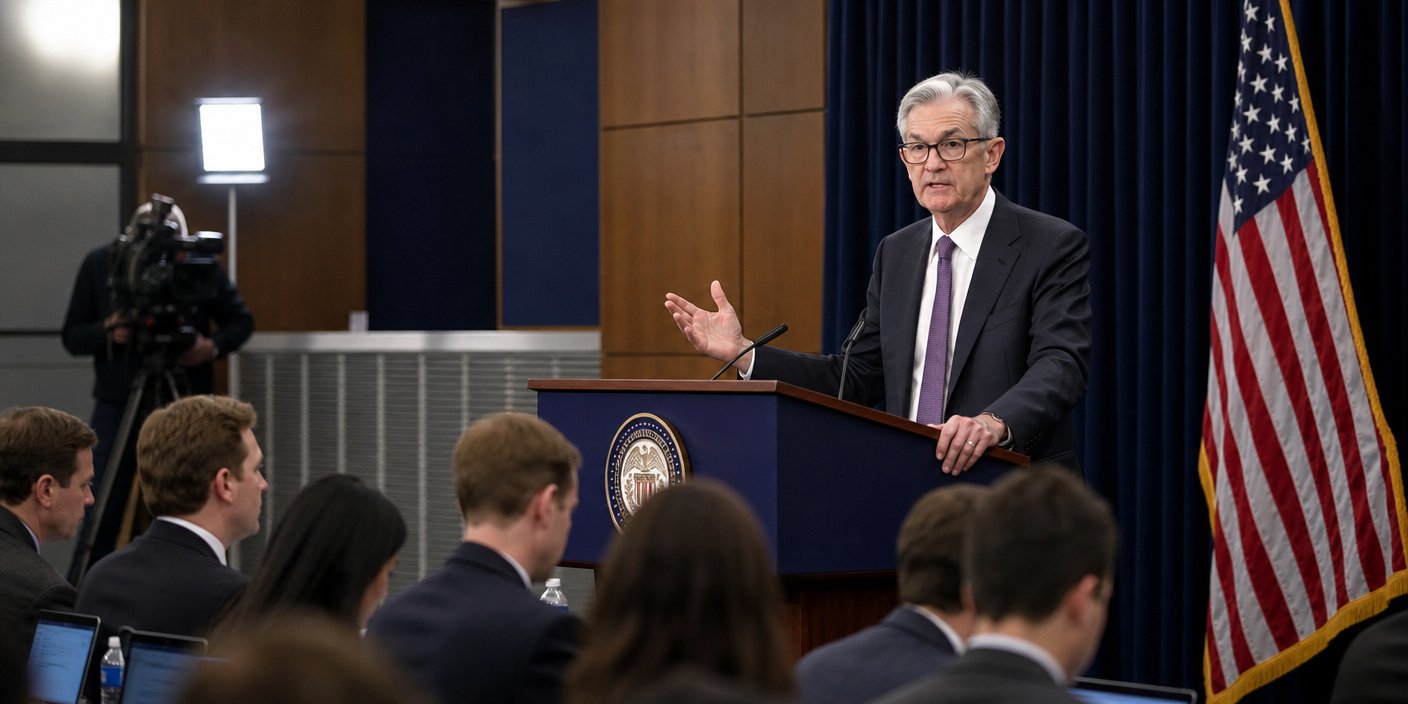
The sanctions themselves, while a significant policy win, are also a signal to international allies that the U.S. remains committed to a strategy of “economic warfare” against adversarial regimes. By focusing on Iran and Russia simultaneously, the bill acknowledges that these two nations are increasingly operating as a strategic bloc. Financial analysts suggest that the impact of these new measures will be felt in the coming quarters, particularly in the banking and energy sectors where these countries have previously found loopholes.
Looking ahead, the House returns to a precarious environment. The impeachment question has not disappeared; it has merely been postponed. The coming weeks will likely see intense backroom negotiations as the Speaker attempts to satisfy the demands of the party’s right flank without sacrificing the cohesion required to govern effectively. If leadership fails to provide a viable alternative to the impeachment push—such as hearings, investigations, or policy modifications—the pressure to bring the resolution to a vote will only mount, potentially leading to further disruptions in the legislative calendar.
FAQ: People Also Ask
Why is the House imposing new sanctions on Russia and Iran?
The sanctions aim to disrupt the financial networks that support Russia’s military operations and Iran’s regional influence. The bill targets specific financial institutions to prevent these nations from circumventing existing international trade restrictions.
Why did Speaker Johnson cancel the voting session?
Speaker Johnson canceled the session to preemptively block a group of House Republicans from forcing a vote to impeach Defense Secretary Pete Hegseth. The move was a procedural maneuver to avoid an intra-party conflict on the House floor.
Does canceling the session stop the impeachment move permanently?
No. It only delays the immediate action. The proponents of the impeachment can reintroduce their resolution when the House reconvenes, meaning the issue will likely return to the legislative agenda unless a political compromise is reached.